 EN
EN
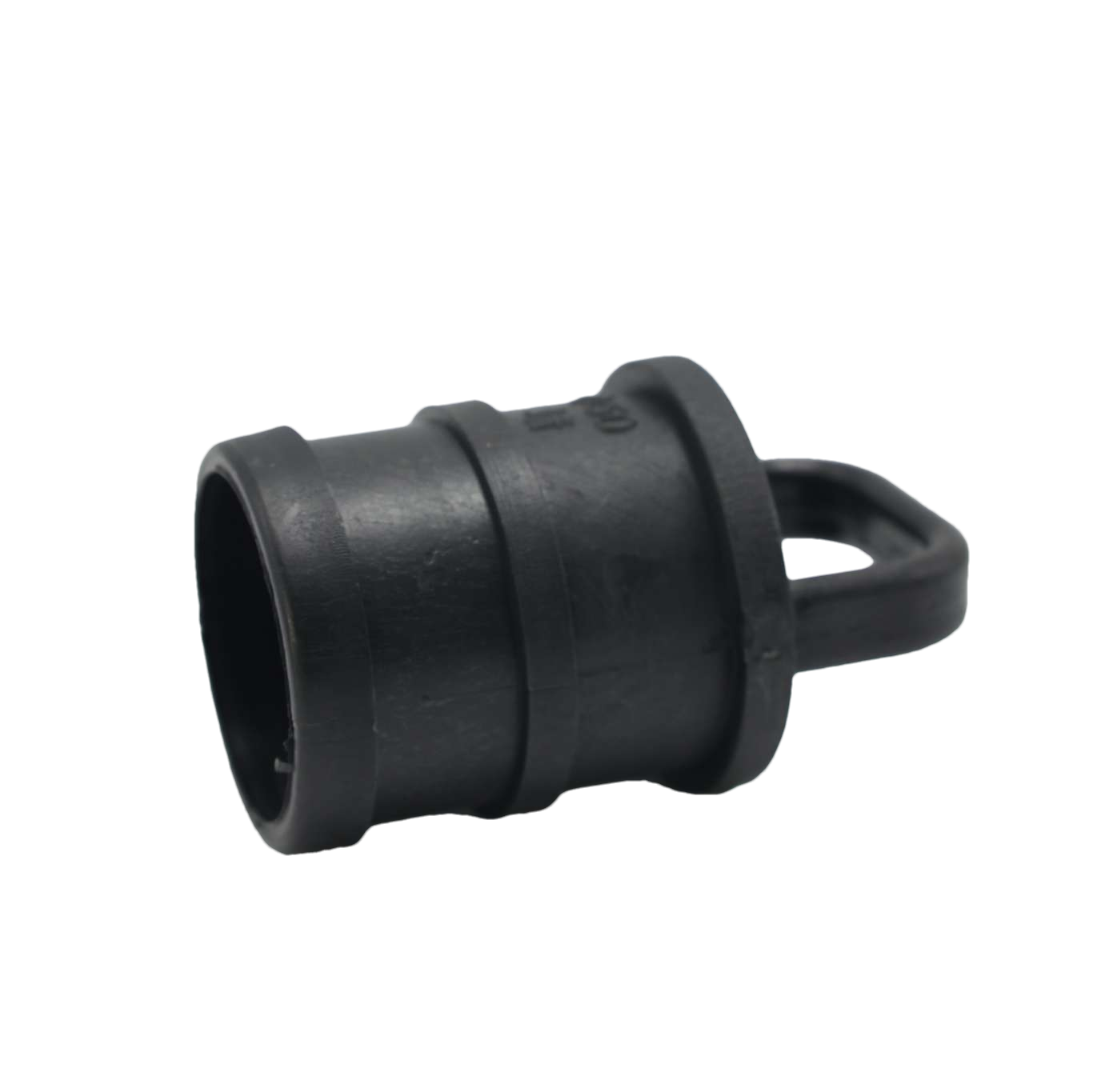
Selecting the right irrigation components requires careful consideration of both supplier reliability and cost-effectiveness, particularly when it comes to specialized equipment like the AK Type Bypass Valve. This essential valve system plays a critical role in modern drip irrigation networks by regulating pressure, preventing system damage, and ensuring consistent water delivery across agricultural operations. Understanding the supplier landscape and pricing structures for AK Type Bypass Valve systems helps agricultural professionals, irrigation contractors, and farm managers make informed procurement decisions that balance quality, performance, and budget constraints.
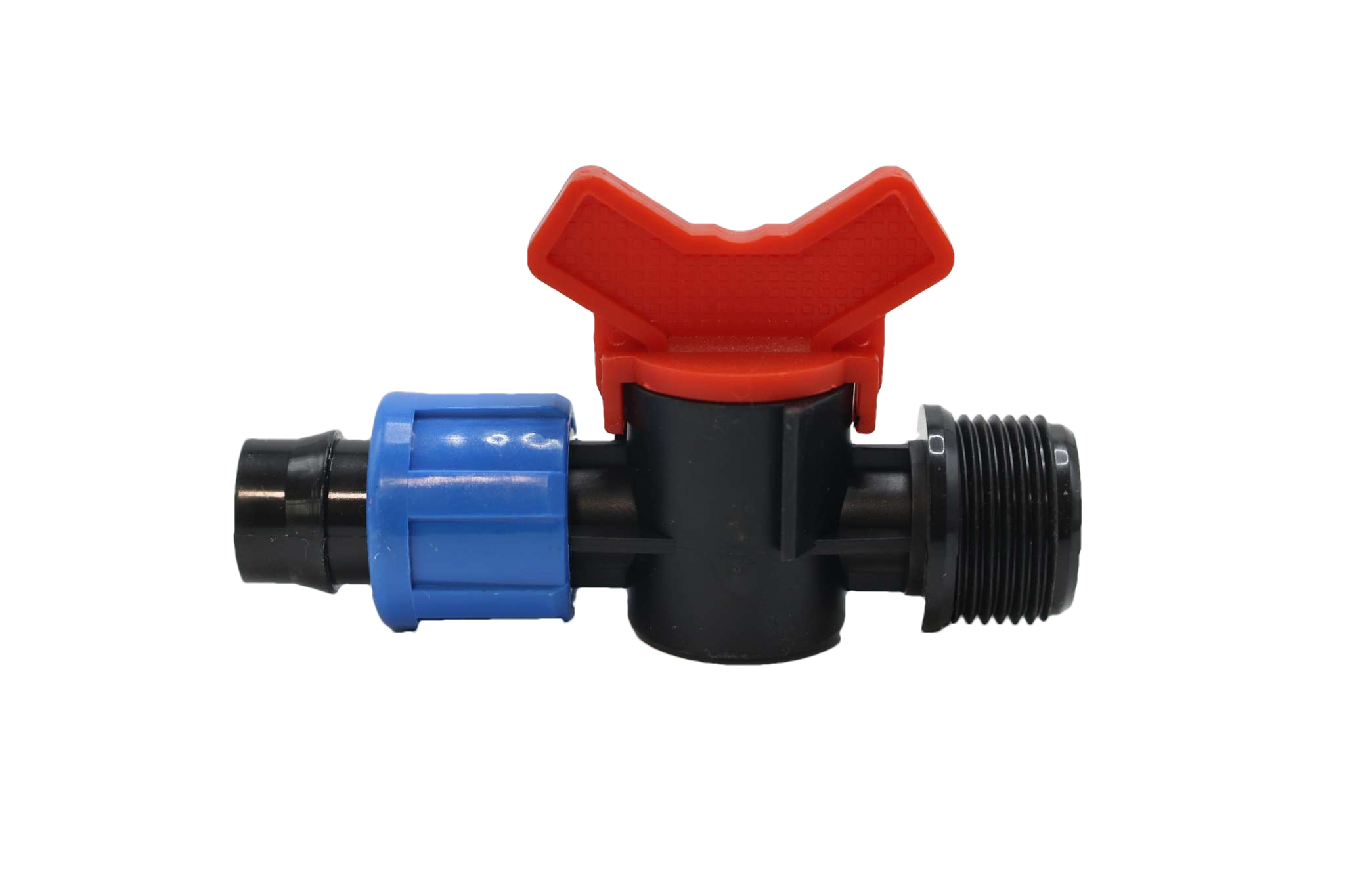
The market for AK Type Bypass Valve products presents diverse options ranging from direct manufacturers to specialized distributors, each offering different pricing models, support services, and product specifications. This comprehensive guide examines the key factors that influence supplier selection and pricing structures, providing practical insights into how buyers can evaluate options, negotiate effectively, and secure reliable valve systems that meet their specific irrigation requirements. Whether managing small-scale agricultural projects or large commercial farming operations, understanding the complete supplier and pricing landscape ensures optimal investment decisions for long-term irrigation system performance.
Understanding AK Type Bypass Valve Supplier Categories
Direct Manufacturer Suppliers
Direct manufacturer suppliers represent the primary source for AK Type Bypass Valve products, offering the advantage of factory-direct pricing and comprehensive technical specifications. These suppliers typically maintain full control over production quality, material selection, and manufacturing standards, which translates into consistent product performance and reliability. When sourcing from manufacturer suppliers, buyers gain access to detailed engineering support, custom configuration options, and the ability to order components that precisely match their irrigation system requirements. The direct relationship also facilitates better communication regarding lead times, bulk order discounts, and warranty provisions that protect the investment.
Manufacturer suppliers often provide the most competitive baseline pricing for AK Type Bypass Valve units, particularly for larger volume orders where economies of scale reduce per-unit costs. This pricing advantage becomes significant for irrigation contractors managing multiple projects or agricultural operations requiring extensive valve installations across expansive field networks. Direct sourcing eliminates intermediary markups while ensuring access to the latest product innovations, technical upgrades, and compatibility improvements that manufacturers introduce to enhance system efficiency. The trade-off typically involves minimum order quantities and longer procurement timelines compared to distributor channels.
Authorized Distributor Networks
Authorized distributor networks serve as regional or local representatives for AK Type Bypass Valve manufacturers, providing convenient access to products with shorter delivery times and localized customer service. These distributors maintain inventory levels that enable immediate or rapid fulfillment for urgent replacement needs or smaller project requirements where minimum order quantities from manufacturers would be impractical. The distributor model adds value through application expertise, installation guidance, and the ability to bundle AK Type Bypass Valve components with complementary irrigation products for complete system solutions. Regional presence also facilitates easier returns, warranty claims, and ongoing technical support throughout the product lifecycle.
Pricing through authorized distributors typically includes a markup over manufacturer direct costs, reflecting the value-added services and inventory carrying costs these intermediaries provide. However, for buyers requiring smaller quantities or preferring local relationships with accessible service support, the distributor pricing premium often proves worthwhile. Many distributors offer competitive pricing programs for regular customers, seasonal promotions, and project-based discounting that narrows the price gap with direct manufacturer channels. Understanding the distributor network structure in your operating region helps identify the most responsive and cost-effective local sources for AK Type Bypass Valve procurement.
Online Industrial Marketplaces
Online industrial marketplaces have emerged as alternative sourcing channels for AK Type Bypass Valve products, connecting buyers directly with multiple suppliers through digital platforms. These marketplaces aggregate offerings from various manufacturers and distributors, enabling price comparison and specification review across numerous options without contacting individual suppliers. The transparency of online marketplaces helps buyers quickly assess market pricing ranges, identify potential cost savings, and discover suppliers they might not encounter through traditional procurement channels. Digital platforms often feature customer reviews, technical documentation, and specification sheets that support informed purchasing decisions.
While online marketplaces offer convenience and price transparency, buyers must exercise careful due diligence regarding supplier verification, product authenticity, and after-sale support capabilities. The lowest listed price for an AK Type Bypass Valve may not represent the best value if quality standards, warranty coverage, or technical support prove inadequate. Reputable online platforms implement supplier verification processes and buyer protection policies that reduce transaction risks, but understanding the actual supplier behind the listing remains essential. For standardized AK Type Bypass Valve models with clear specifications, online marketplaces can deliver significant cost advantages, particularly when combined with bulk purchasing or consolidated shipping arrangements.
Key Pricing Factors for AK Type Bypass Valve Products
Material Composition and Manufacturing Quality
Material composition represents the primary driver of AK Type Bypass Valve pricing differences across supplier offerings, with construction materials directly impacting durability, corrosion resistance, and operational lifespan. High-grade engineering plastics, stainless steel components, and UV-resistant materials command premium pricing compared to standard plastic formulations or basic metal alloys. The material selection affects not only initial purchase cost but also long-term maintenance requirements, replacement frequency, and overall system reliability. Professional-grade AK Type Bypass Valve units constructed from superior materials justify higher pricing through extended service life and reduced failure rates that lower total cost of ownership.
Manufacturing quality standards also influence pricing structures, with suppliers employing precision molding, rigorous quality control, and performance testing processes typically charging more than those using basic production methods. The AK Type Bypass Valve pricing reflects these quality investments through tighter dimensional tolerances, consistent pressure ratings, and reliable sealing performance across the specified operating range. Buyers evaluating price differences should investigate the manufacturing processes, quality certifications, and testing protocols suppliers employ to ensure that lower-priced options do not compromise performance or introduce premature failure risks that increase overall system costs.
Pressure Rating and Flow Capacity Specifications
Pressure rating capabilities significantly affect AK Type Bypass Valve pricing, with higher-pressure models requiring reinforced construction, enhanced sealing systems, and more robust internal components that increase manufacturing costs. Standard irrigation applications operating at lower pressure ranges typically utilize more economically priced valve models, while systems requiring higher pressure handling or greater pressure differential management need premium-priced units designed for demanding conditions. The flow capacity specifications also correlate with pricing, as larger diameter valves and higher flow rate capabilities require more material, larger housing designs, and increased manufacturing complexity that raises unit costs.
Understanding your specific system requirements for pressure rating and flow capacity prevents both overpaying for unnecessary performance capabilities and under-specifying valves that fail to meet operational demands. An AK Type Bypass Valve rated for excessive pressure beyond your system's actual operating range represents wasted investment, while inadequately rated components risk premature failure and costly system disruptions. Suppliers typically offer tiered pricing based on performance specifications, allowing buyers to match valve capabilities precisely to application requirements. Requesting detailed specification sheets and consulting with technical representatives ensures optimal selection that balances performance needs with cost efficiency.
Order Quantity and Volume Discounting
Order quantity represents one of the most significant variables in AK Type Bypass Valve pricing negotiations, with volume discounting structures rewarding larger purchases through reduced per-unit costs. Manufacturers and distributors establish pricing tiers that decrease as order quantities increase, reflecting lower handling costs, reduced transaction overhead, and more efficient production or fulfillment processes. For buyers planning extensive irrigation installations or managing multiple projects, consolidating orders to achieve higher volume thresholds can generate substantial cost savings. Even when immediate installation needs are smaller, strategic purchasing of additional units for future projects or spare inventory may justify volume pricing benefits.
Understanding supplier volume thresholds and associated discount levels enables strategic procurement planning that maximizes budget efficiency. Many suppliers provide transparent pricing tables showing per-unit costs at various quantity breakpoints, allowing buyers to calculate optimal order sizes that balance immediate needs with inventory carrying costs. For recurring AK Type Bypass Valve requirements, establishing preferred supplier relationships often unlocks additional volume-based pricing advantages, annual contract discounts, or loyalty programs that reduce long-term procurement expenses. Buyers should request formal quotations at multiple quantity levels to identify the most cost-effective purchasing strategy for their specific circumstances.
Evaluating Supplier Reliability and Service Support
Technical Expertise and Application Guidance
Technical expertise distinguishes superior AK Type Bypass Valve suppliers from basic product vendors, as knowledgeable suppliers provide application guidance, system design support, and troubleshooting assistance that extends beyond simple product transactions. Reputable suppliers employ technical specialists who understand irrigation system hydraulics, pressure management principles, and valve integration requirements, enabling them to recommend appropriate valve specifications for specific applications. This expertise proves invaluable during system planning phases, installation processes, and operational optimization efforts where proper valve selection and configuration directly impact overall system performance. Suppliers offering comprehensive technical support justify premium pricing through the value of expert guidance that prevents costly specification errors.
Application guidance services help buyers navigate the complexities of matching AK Type Bypass Valve characteristics to unique irrigation conditions, including variable terrain, multiple zone configurations, and fluctuating water supply pressures. Technical representatives can analyze system schematics, calculate required pressure relief capacities, and recommend valve placement strategies that optimize pressure regulation across the entire network. This consultative approach to supplier relationships transforms valve procurement from a simple purchasing transaction into a collaborative process that enhances overall system design quality. When evaluating supplier options, assess the accessibility and competence of technical support resources as a critical factor beyond base product pricing.
Warranty Coverage and Product Guarantees
Warranty coverage represents an essential component of supplier evaluation for AK Type Bypass Valve procurement, as comprehensive warranty provisions protect buyers against manufacturing defects, premature failures, and performance issues that could compromise irrigation operations. Standard warranty periods typically range from one to three years, with extended warranty options available from premium suppliers confident in their product quality. Warranty terms should clearly specify covered conditions, replacement procedures, and whether coverage includes both parts and labor for defective units. Suppliers offering robust warranty protection demonstrate commitment to product quality and customer satisfaction that justifies higher initial pricing through reduced long-term risk exposure.
Product guarantees extending beyond basic warranty coverage may include performance assurances, pressure rating certifications, and longevity expectations that provide additional buyer confidence. Some suppliers back their AK Type Bypass Valve products with satisfaction guarantees allowing returns or exchanges if units fail to meet specified performance standards under proper operating conditions. Understanding warranty exclusions proves equally important, as improper installation, operation outside rated parameters, or inadequate maintenance may void coverage. Buyers should request written warranty documentation, clarify claim procedures, and verify the supplier's track record for honoring warranty commitments before finalizing purchasing decisions.
Supply Chain Reliability and Delivery Performance
Supply chain reliability determines whether AK Type Bypass Valve suppliers can consistently meet delivery commitments, maintain adequate inventory levels, and respond effectively to urgent replacement needs that arise during irrigation system operations. Suppliers with robust supply chain management, established manufacturing relationships, and strategic inventory positioning provide greater assurance of timely product availability compared to vendors operating with minimal stock or uncertain production access. Delivery performance history, measured through on-time fulfillment rates and order accuracy metrics, reveals supplier operational capability and customer service commitment. For time-sensitive agricultural projects where irrigation system deployment must align with planting schedules, supply chain reliability often outweighs minor pricing advantages from less dependable sources.
Evaluating supplier delivery capabilities includes assessing their geographic distribution network, shipping options, and ability to expedite critical orders when circumstances demand rapid fulfillment. Suppliers maintaining regional warehouses or distribution centers typically offer shorter lead times and lower shipping costs compared to distant sources requiring extended transit periods. Understanding standard lead times for AK Type Bypass Valve orders helps project managers plan procurement schedules that avoid installation delays while minimizing emergency expediting costs. Requesting references from existing customers provides valuable insights into actual delivery performance and how suppliers handle supply chain disruptions or inventory shortages that could impact project timelines.
Strategic Procurement Approaches for Cost Optimization
Competitive Quotation and Supplier Comparison
Obtaining competitive quotations from multiple AK Type Bypass Valve suppliers establishes benchmark pricing, reveals market rate variations, and creates negotiation leverage that can substantially reduce procurement costs. A structured quotation request process should specify exact technical requirements, desired quantities, delivery timelines, and required support services to ensure comparable proposals across suppliers. Collecting at least three detailed quotations provides sufficient market perspective to identify outlier pricing, whether unusually high or suspiciously low, and understand the typical price range for specified valve configurations. Detailed quotation analysis should extend beyond unit pricing to include shipping costs, payment terms, warranty provisions, and any additional fees that affect total acquisition cost.
Supplier comparison matrices facilitate systematic evaluation of quotations across multiple dimensions including price, specifications, delivery terms, technical support, and supplier reputation. This structured approach prevents over-emphasis on price alone while ensuring adequate consideration of factors that influence long-term value and operational success. When comparing AK Type Bypass Valve options, verify that quoted products meet identical technical specifications, as apparent pricing advantages may reflect inferior materials or reduced performance capabilities. Transparent communication with suppliers about competitive quotations often prompts additional discounting or value-added services as vendors compete for business, particularly for significant order values or potential for ongoing supply relationships.
Long-Term Supplier Partnerships and Contract Negotiations
Establishing long-term supplier partnerships for AK Type Bypass Valve procurement generates mutual benefits through volume commitments, predictable ordering patterns, and relationship-based pricing advantages that reduce costs over time. Suppliers value customers providing consistent business and are typically willing to offer preferential pricing, priority service, and flexible terms to secure ongoing relationships. Multi-year supply agreements or preferred vendor arrangements create stability for both parties while locking in favorable pricing that protects against market fluctuations or supplier price increases. Contract negotiations should address annual volume commitments, pricing adjustment mechanisms, delivery performance guarantees, and relationship governance structures that formalize partnership expectations.
Strategic contract terms might include volume rebates tied to annual purchase thresholds, guaranteed pricing for specified periods, or automatic reorder processes that streamline procurement administration. For organizations with ongoing AK Type Bypass Valve requirements across multiple projects or facilities, consolidating purchases with fewer suppliers strengthens negotiating position and simplifies vendor management. Partnership approaches also facilitate collaborative improvement initiatives where suppliers proactively suggest cost-saving alternatives, product upgrades, or system optimization opportunities based on deep familiarity with customer applications. Building these relationships requires commitment to fair dealing, timely payments, and realistic volume commitments that enable suppliers to invest in the partnership with confidence.
Total Cost of Ownership Analysis
Total cost of ownership analysis provides comprehensive financial perspective on AK Type Bypass Valve procurement decisions by accounting for all costs throughout the product lifecycle rather than focusing exclusively on initial purchase price. This analysis includes acquisition costs, installation expenses, ongoing maintenance requirements, energy consumption impacts, expected replacement frequency, and disposal costs at end of life. Higher-quality valves with premium initial pricing often deliver lower total ownership costs through extended service life, reduced maintenance needs, and fewer system disruptions that carry operational and productivity costs. Conversely, budget-priced options may generate hidden costs through premature failures, more frequent replacements, and increased labor for repairs that ultimately exceed savings from lower purchase prices.
Conducting total cost analysis requires estimating valve lifespan under specific operating conditions, calculating annual maintenance costs based on supplier specifications and field experience, and projecting replacement frequencies across multi-year time horizons. For AK Type Bypass Valve applications in critical irrigation systems, the cost of system downtime during valve failures must factor into ownership calculations, as crop losses or irrigation interruptions during critical growing periods can far exceed valve component costs. This comprehensive financial perspective often justifies investing in premium supplier options offering superior reliability, even when initial pricing appears significantly higher. Spreadsheet models comparing total ownership costs across supplier alternatives clarify the most economically sound procurement strategy over realistic equipment lifecycles.
FAQ
What is the typical price range for AK Type Bypass Valve units?
AK Type Bypass Valve pricing typically ranges from moderate to premium levels depending on specifications, materials, and supplier channels, with basic models for standard irrigation applications starting at lower price points while high-performance units with advanced materials and superior pressure ratings commanding premium pricing. Volume purchases generally reduce per-unit costs significantly, with bulk orders potentially decreasing prices by twenty to forty percent compared to small quantity purchases. Geographic factors, shipping distances, and local market conditions also influence regional pricing variations. For accurate pricing applicable to specific requirements, requesting detailed quotations from multiple suppliers based on exact specifications, desired quantities, and delivery locations provides the most reliable cost information.
How do I verify the quality of an AK Type Bypass Valve supplier?
Verifying supplier quality involves multiple assessment methods including reviewing product certifications, examining customer testimonials and references, requesting sample products for evaluation, and investigating the supplier's manufacturing processes and quality control systems. Reputable suppliers willingly provide documentation of quality standards, pressure testing protocols, and material certifications that demonstrate commitment to product excellence. Checking industry reputation through trade associations, online reviews, and direct conversations with existing customers reveals actual performance and service quality beyond marketing claims. Site visits to manufacturing facilities, when feasible, offer firsthand observation of production capabilities and quality management practices that indicate supplier reliability and product consistency.
What factors should I prioritize when selecting an AK Type Bypass Valve supplier?
Priority factors for supplier selection should balance product quality, competitive pricing, technical support capabilities, delivery reliability, and warranty protection based on your specific operational requirements and risk tolerance. For critical irrigation applications where system reliability directly impacts agricultural productivity, prioritizing supplier technical expertise and product quality often outweighs minor pricing advantages. Projects with tight timelines benefit from suppliers demonstrating strong delivery performance and adequate inventory levels. Organizations with ongoing valve requirements gain maximum value from suppliers offering relationship-based pricing, comprehensive support services, and long-term partnership approaches. Creating a weighted evaluation matrix that scores suppliers across relevant criteria helps systematically identify the optimal balance of factors for your particular circumstances.
Can I negotiate better pricing for AK Type Bypass Valve orders?
Negotiating improved pricing for AK Type Bypass Valve purchases is generally feasible, particularly for larger order quantities, repeat business, or when demonstrating competitive quotations from alternative suppliers. Effective negotiation approaches include consolidating multiple small orders into larger volume purchases that justify discounting, committing to ongoing supply relationships that provide suppliers with predictable business, and being flexible on delivery timelines to accommodate supplier production or inventory cycles. Clearly communicating budget constraints while emphasizing value factors beyond price alone often prompts suppliers to propose creative solutions including payment term adjustments, bundled product offerings, or value-added services that enhance overall value. Professional, respectful negotiation that acknowledges supplier business needs while advocating for fair pricing typically yields better results than aggressive price-only tactics that may compromise supplier relationships and service quality.