 EN
EN
Greenhouse agriculture demands precision water management to maximize crop yields while minimizing resource waste, making water-saving irrigation solutions essential for modern horticultural operations. Unlike open-field farming, greenhouse environments create unique microclimates where every drop of water can be controlled, monitored, and optimized to support plant health without excess runoff or evaporation. The selection of appropriate water-saving irrigation solutions directly impacts operational costs, crop quality, and environmental sustainability, positioning greenhouse operators to meet both production targets and regulatory requirements in water-scarce regions.
Choosing the best water-saving irrigation solutions for greenhouses requires understanding multiple technical factors including crop type, growing media, greenhouse structure, local water quality, and automation capabilities. This comprehensive guide examines proven irrigation technologies specifically designed for greenhouse applications, evaluating their water efficiency characteristics, installation considerations, maintenance requirements, and suitability for different production scales. Whether operating a small-scale specialty crop greenhouse or a large commercial vegetable production facility, implementing the right water-saving irrigation solutions can reduce water consumption by forty to seventy percent compared to traditional overhead systems while improving crop uniformity and reducing disease pressure.
Understanding Water-Saving Irrigation Technologies for Greenhouse Applications
Fundamental Principles of Water-Efficient Greenhouse Irrigation
Water-saving irrigation solutions for greenhouses operate on the principle of delivering precise water volumes directly to plant root zones, eliminating the waste associated with surface runoff, deep percolation, and atmospheric evaporation. These systems match water application rates to actual plant uptake capacity, which varies throughout the crop cycle based on growth stage, environmental conditions, and physiological demand. Advanced water-saving irrigation solutions incorporate soil moisture sensing, climate data integration, and automated control systems that adjust irrigation schedules dynamically rather than following fixed time-based programs.
The efficiency advantage of greenhouse water-saving irrigation solutions stems from their ability to maintain optimal root zone moisture levels without saturating growing media or creating dry pockets that stress plants. By applying water slowly at low pressure through precision emitters, these systems allow gradual infiltration that matches soil absorption capacity, particularly important in container production and hydroponic systems where substrate volumes are limited. This targeted approach reduces water consumption while simultaneously improving fertilizer efficiency, since nutrients dissolved in irrigation water reach roots directly rather than being lost to leaching or surface evaporation.
Key Performance Metrics for Evaluating Irrigation Efficiency
When comparing water-saving irrigation solutions for greenhouse operations, application uniformity represents the most critical performance indicator, measuring how evenly water distributes across the growing area. High-quality systems achieve distribution uniformity coefficients above ninety percent, ensuring that all plants receive similar water volumes regardless of their position relative to water sources or system endpoints. This uniformity directly affects crop quality consistency, reducing the percentage of unmarketable products caused by water stress or excessive moisture.
Water use efficiency, calculated as crop yield per unit of water applied, provides another essential metric for assessing water-saving irrigation solutions in commercial greenhouse production. Modern drip and sub-irrigation systems routinely achieve water use efficiency values two to three times higher than overhead sprinkler systems, translating to substantial cost savings in regions with expensive water or strict allocation limits. Additionally, evaluating irrigation system coefficient of variation helps growers understand the statistical spread of water application across multiple emission points, with lower values indicating more precise control and reduced water waste throughout the greenhouse.
Material and Design Considerations Affecting Longevity
The durability of water-saving irrigation solutions significantly impacts their long-term cost-effectiveness and maintenance requirements in greenhouse environments. High-quality drip irrigation components manufactured from UV-stabilized polyethylene or engineered thermoplastics resist degradation from sunlight exposure, chemical fertilizers, and temperature fluctuations common in greenhouse production. Emitter design plays a crucial role in system longevity, with pressure-compensating and self-cleaning features preventing clogging from particulates, biological growth, and mineral precipitation that can compromise water distribution uniformity over time.
Material selection for water-saving irrigation solutions must account for compatibility with specific water chemistry and fertilizer programs used in greenhouse operations. Systems designed for hard water conditions incorporate larger flow paths and turbulent flow patterns that resist scaling from calcium and magnesium deposits, while those used with organic nutrient solutions require enhanced filtration to prevent biofilm accumulation. The physical arrangement of distribution lines, whether surface-laid, buried, or suspended, affects both installation costs and operational flexibility, with modular designs allowing easier reconfiguration as crop layouts change between growing seasons.
Drip Irrigation Systems as Premium Water-Saving Solutions
Technical Advantages of Drip Technology in Controlled Environments
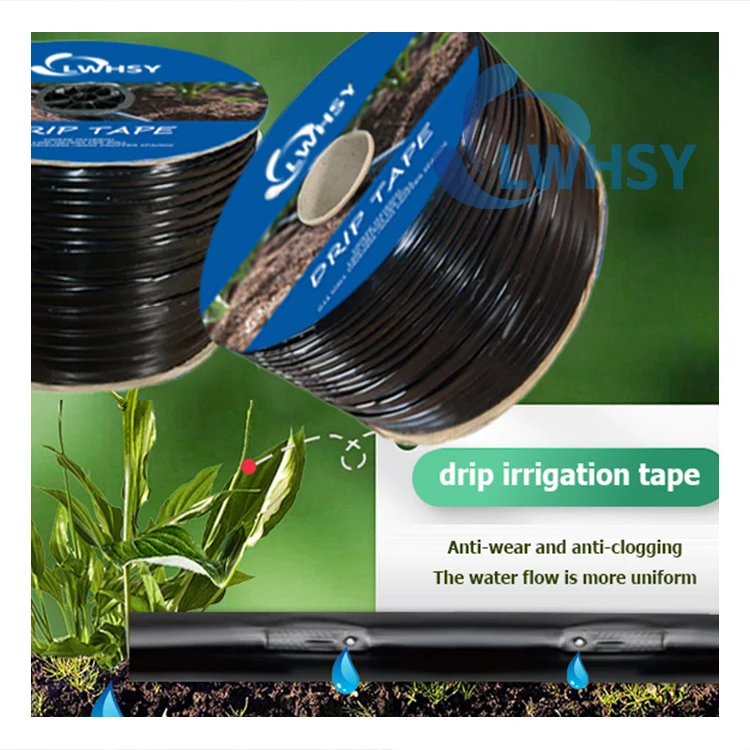
Drip irrigation represents the most widely adopted category of water-saving irrigation solutions for greenhouse production, delivering water directly to individual plants or small groups through precision emitters spaced along distribution tubing. This technology excels in greenhouse applications because it maintains dry foliage conditions that reduce fungal disease pressure while providing consistent root zone moisture that promotes steady vegetative growth and fruit development. Modern water-saving irrigation solutions using drip technology achieve application efficiencies exceeding ninety-five percent under proper management, making them ideal for water-limited regions or operations seeking sustainability certifications.
The flexibility of drip-based water-saving irrigation solutions allows customization for diverse greenhouse production systems including soil beds, raised benches, container production, and vertical growing arrangements. Emitter flow rates can be selected to match specific crop water requirements and growing media characteristics, with typical greenhouse applications using outputs ranging from point-five to four liters per hour per emission point. Pressure-compensating emitters maintain consistent flow rates across varying topography and system pressure fluctuations, ensuring uniform water distribution even in large greenhouse complexes where elevation changes or friction losses might otherwise create application variability.
Installation Configurations for Different Greenhouse Types
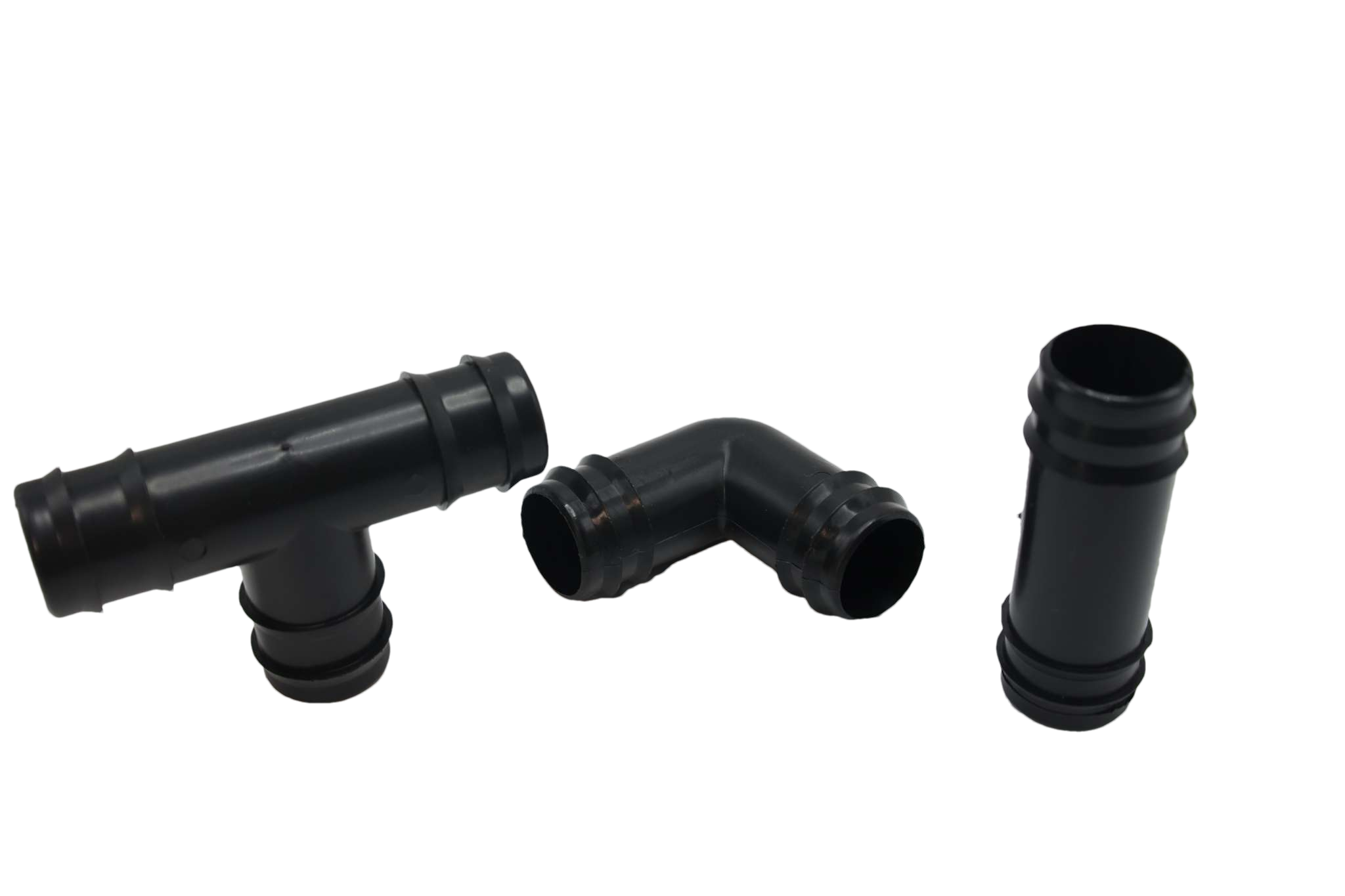
Implementing water-saving irrigation solutions using drip technology requires careful planning of distribution network layouts that balance installation costs against operational flexibility and maintenance accessibility. Surface drip systems, where lateral lines rest on growing media surfaces, offer the simplest installation and easiest inspection but may interfere with cultural practices like cultivation or transplanting. Subsurface drip installations place emitters below the soil surface, eliminating visual obstruction and reducing evaporation losses, though they require more careful management to prevent root intrusion and verify proper operation.
For container production and bench-top greenhouse operations, water-saving irrigation solutions often utilize individual drip stakes or spaghetti tubing connecting main distribution lines to each pot or growing container. This configuration provides maximum flexibility for changing plant spacing and crop rotations, though it increases component counts and potential maintenance requirements compared to continuous lateral line systems. The choice between in-line emitter tubing and external emitter configurations depends on crop density, container sizes, and whether the greenhouse layout remains static or changes frequently throughout the production year.
Integration with Fertigation and Nutrient Management
One of the most valuable features of drip-based water-saving irrigation solutions in greenhouse production is their seamless integration with precision fertigation programs that deliver dissolved nutrients directly to plant roots. This combination maximizes both water and fertilizer efficiency, reducing nutrient waste through leaching while ensuring plants receive optimal nutrition throughout their growth cycle. Injection systems can be calibrated to adjust nutrient concentrations and ratios based on crop growth stage, environmental conditions, and tissue analysis results, providing a level of nutritional precision impossible with broadcast fertilizer applications.
When designing water-saving irrigation solutions for fertigation applications, proper filtration becomes critical to prevent emitter clogging from precipitated minerals or organic matter in nutrient solutions. Multi-stage filtration systems typically include screen filters, media filters, or both, with filtration levels appropriate to the smallest flow path dimensions in the emitter design. Regular monitoring of irrigation system pressure and periodic flushing protocols maintain the long-term performance of water-saving irrigation solutions, preventing the gradual uniformity degradation that can occur as emitters accumulate deposits over multiple growing seasons.
Sub-Irrigation and Capillary Systems for Containerized Production
Operational Principles of Bottom-Up Water Delivery
Sub-irrigation represents a specialized category of water-saving irrigation solutions particularly well-suited to greenhouse container production, where plants draw water upward through capillary action from reservoirs beneath growing containers. These systems eliminate overhead water application entirely, maintaining completely dry foliage that minimizes disease pressure while achieving exceptional water use efficiency through recirculation of excess solution. Ebb-and-flow benches, capillary mats, and trough systems all function as water-saving irrigation solutions by allowing containers to absorb only the water they need while returning unused water to collection tanks for reuse.
The water conservation advantage of sub-irrigation water-saving irrigation solutions stems from their closed-loop design that captures and recycles all water not absorbed by plants, effectively eliminating runoff waste and reducing total water requirements by thirty to fifty percent compared to overhead irrigation methods. This approach also concentrates root development in the lower portion of growing containers where moisture availability is most consistent, producing more compact root systems that improve plant stability and post-harvest quality. However, these water-saving irrigation solutions require careful management of recirculated water quality, including monitoring of dissolved solids accumulation and potential pathogen buildup that could spread between plants through shared water sources.
Infrastructure Requirements and Space Considerations
Implementing sub-irrigation water-saving irrigation solutions requires significant upfront investment in bench systems, water-tight growing surfaces, and collection infrastructure that may limit their cost-effectiveness to high-value ornamental or transplant production rather than commodity vegetable crops. Ebb-and-flow benches, the most common sub-irrigation configuration, utilize level growing surfaces that flood to a shallow depth before draining back to storage tanks, requiring precision grading and robust structural support to handle water weight during flood cycles. The bench construction must ensure complete drainage to prevent standing water that could create anaerobic conditions or promote disease development.
Capillary mat systems offer a lower-cost alternative among sub-irrigation water-saving irrigation solutions, using absorbent fabric layers to transport water from distribution pipes to container bottoms through wicking action. These systems operate continuously rather than in flood-drain cycles, maintaining more stable moisture availability but requiring careful attention to mat cleanliness and replacement as organic matter accumulation or mineral deposits reduce wicking efficiency. The choice between different sub-irrigation water-saving irrigation solutions depends on crop types, production scale, available capital for infrastructure investment, and labor availability for system maintenance and water quality management.
Water Quality Management in Recirculating Systems
The recirculating nature of sub-irrigation water-saving irrigation solutions creates both opportunities and challenges for water quality management in greenhouse operations. While these systems maximize water efficiency, they concentrate dissolved salts, pathogens, and organic compounds in recirculated water, requiring active management to prevent crop damage or disease spread. Regular testing of electrical conductivity helps growers monitor salt accumulation, with periodic dumping and replacement of recirculated water necessary when dissolved solids exceed crop tolerance thresholds.
Advanced water-saving irrigation solutions incorporating sub-irrigation principles often include water treatment components such as UV sterilization, ozone injection, or slow sand filtration to control waterborne pathogens without compromising the environmental benefits of water recirculation. These treatment systems add operational complexity and cost but enable safer long-term operation of closed-loop water-saving irrigation solutions, particularly important for organic production systems where synthetic pesticide options for disease control are limited. Balancing the water conservation benefits of sub-irrigation against the management intensity required for safe operation represents a key decision point for greenhouse operators evaluating different water-saving irrigation solutions.
Automation and Control Technologies Enhancing Irrigation Efficiency
Sensor-Based Irrigation Scheduling Systems
Modern water-saving irrigation solutions achieve their highest efficiency when integrated with automated control systems that adjust irrigation timing and duration based on real-time measurements of plant water needs and environmental conditions. Soil moisture sensors, weighing lysimeters, and plant-based stress indicators provide direct feedback on irrigation requirements, eliminating the guesswork inherent in time-based scheduling programs. These sensor-driven water-saving irrigation solutions can reduce water consumption by an additional fifteen to thirty percent compared to well-managed manual systems, while also improving crop quality consistency by maintaining optimal root zone moisture levels throughout variable weather conditions.
Capacitance sensors, tensiometers, and time-domain reflectometry instruments each offer different advantages for monitoring substrate moisture in greenhouse water-saving irrigation solutions, with selection depending on growing media characteristics, crop types, and budget constraints. Capacitance sensors provide reliable performance across diverse substrate types and require minimal maintenance, making them popular choices for commercial operations. Integrating multiple sensor locations throughout the greenhouse provides spatial understanding of moisture variability, enabling zone-specific irrigation adjustments that account for differences in solar exposure, air movement, or plant density that affect local water consumption rates.
Climate-Based Irrigation Controllers and Evapotranspiration Models
Climate-based control represents another sophisticated approach to optimizing water-saving irrigation solutions, using real-time or forecasted weather data to calculate crop evapotranspiration and adjust irrigation applications accordingly. These systems measure or estimate solar radiation, temperature, humidity, and wind speed to determine atmospheric water demand, then apply crop-specific coefficients to calculate actual irrigation requirements. For greenhouse applications, water-saving irrigation solutions using climate-based control must account for the modified environment inside structures, where temperature and humidity differ significantly from external conditions while wind effects are minimal.
Advanced irrigation controllers designed for water-saving irrigation solutions can integrate multiple data sources including weather stations, soil sensors, and crop growth models to optimize irrigation decisions throughout the production cycle. These systems learn from historical performance, gradually refining their algorithms to match specific greenhouse conditions and crop responses. Remote monitoring capabilities allow growers to supervise and adjust water-saving irrigation solutions from mobile devices, receiving alerts about system malfunctions, unusual water consumption patterns, or sensor readings outside normal ranges that might indicate irrigation problems or crop stress.
Precision Application Technologies for Variable Rate Irrigation
The most advanced water-saving irrigation solutions incorporate variable rate application capabilities that adjust water delivery to individual zones or even specific plants based on their unique requirements and growing conditions. This precision approach recognizes that uniform water application across an entire greenhouse may not represent optimal management when microclimatic variations, crop maturity differences, or growing media variability create localized differences in water demand. Zone-specific control valves combined with targeted sensor placement enable water-saving irrigation solutions to deliver customized irrigation schedules that maximize efficiency while maintaining crop quality uniformity.
Implementing variable rate water-saving irrigation solutions requires careful zoning design that groups areas with similar irrigation requirements while maintaining practical limits on system complexity and control point numbers. Typical greenhouse installations divide production areas into four to twelve irrigation zones based on factors including distance from heating or cooling systems, structural shading patterns, crop types, or plant growth stages. The incremental efficiency gains from variable rate water-saving irrigation solutions must be weighed against increased installation and programming complexity, with cost-effectiveness improving as operation scale increases and water or energy costs rise.
Maintenance Protocols and Performance Optimization Strategies
Preventive Maintenance Requirements for Long-Term Efficiency
Sustaining the performance of water-saving irrigation solutions requires systematic preventive maintenance that addresses common failure modes before they compromise water distribution uniformity or system reliability. Regular inspection of emitters, connectors, and distribution tubing identifies physical damage, biological growth, or mineral deposits that could restrict flow or alter application patterns. Periodic pressure testing verifies that system operating pressures remain within design specifications, with pressure drops indicating potential filter clogging, line leaks, or excessive emitter wear that requires correction.
Filtration system maintenance represents a critical component of preserving water-saving irrigation solutions functionality, as clogged filters reduce flow rates and create pressure variability that compromises application uniformity. Screen filters require cleaning frequency based on water quality and particulate loading, with automated backflushing systems reducing labor requirements in large installations. Chemical treatments including acid injections to dissolve mineral scale and chlorine or hydrogen peroxide applications to control biological growth help maintain water-saving irrigation solutions in optimal condition, though treatment protocols must be carefully managed to avoid crop damage from residual chemicals.
Performance Monitoring and Uniformity Testing
Regular performance evaluation ensures that water-saving irrigation solutions continue delivering the efficiency benefits that justified their initial investment, with distribution uniformity testing particularly important as systems age and components wear. Catch can tests, emitter flow measurements, and pressure monitoring at multiple system locations provide quantitative data on irrigation performance, identifying sections requiring maintenance or component replacement. Declining uniformity coefficients or increasing pressure variability signal deteriorating water-saving irrigation solutions performance that could be impacting crop quality or increasing water waste.
Advanced monitoring approaches for water-saving irrigation solutions include flow meter analysis that compares actual water usage against calculated crop requirements, revealing inefficiencies from leaks, over-irrigation, or system malfunctions. Thermal imaging can identify dry spots or over-watered areas in greenhouse production by detecting temperature variations associated with soil moisture differences, providing visual confirmation of irrigation uniformity problems. These diagnostic tools help optimize water-saving irrigation solutions by identifying specific problems requiring correction rather than relying on generalized maintenance schedules that may miss emerging issues.
System Upgrades and Retrofit Opportunities
Even well-maintained water-saving irrigation solutions benefit from periodic upgrades incorporating newer technologies that enhance efficiency, reduce labor, or improve crop quality. Retrofitting older drip systems with pressure-compensating emitters improves uniformity in greenhouses with elevation changes or long distribution runs, while adding automation controllers to manual systems reduces labor costs and enables more precise irrigation timing. Filter upgrades, injection system improvements, and sensor integration all represent opportunities to enhance existing water-saving irrigation solutions without complete system replacement.
When evaluating retrofit options for water-saving irrigation solutions, conducting a cost-benefit analysis that considers water savings, labor reduction, crop quality improvements, and extended system lifespan helps prioritize investments. In many cases, incremental upgrades to existing water-saving irrigation solutions deliver better return on investment than complete replacement, particularly when basic infrastructure like main distribution lines and zone valves remain serviceable. Staying informed about emerging technologies and gradually incorporating proven innovations keeps greenhouse irrigation systems operating at optimal efficiency while spreading capital costs over multiple production seasons.
FAQ
What makes drip irrigation more water-efficient than overhead systems in greenhouses?
Drip irrigation systems deliver water directly to plant root zones at low pressure, eliminating losses from evaporation, wind drift, and runoff that occur with overhead sprinklers. This targeted application allows water to infiltrate gradually into growing media at rates matching soil absorption capacity, ensuring nearly all applied water reaches plant roots rather than being wasted. Additionally, drip systems keep plant foliage dry, reducing disease pressure and allowing more frequent, smaller irrigation events that maintain optimal root zone moisture without the wet-dry cycling common with less efficient irrigation methods.
How often should greenhouse irrigation systems be inspected for optimal performance?
Basic visual inspections of water-saving irrigation solutions should occur weekly during active growing seasons, checking for obvious leaks, damaged components, or clogged emitters that could affect water distribution. More thorough performance evaluations including pressure testing, uniformity measurements, and emitter flow checks should be conducted monthly or at the beginning of each crop cycle. Filtration systems require inspection and cleaning based on water quality, potentially ranging from daily backflushing in high-sediment situations to weekly maintenance with cleaner water sources. Annual comprehensive system audits help identify gradual performance degradation requiring component replacement or system upgrades.
Can water-saving irrigation solutions work effectively with organic fertilizer programs?
Water-saving irrigation solutions can successfully deliver organic fertilizers through fertigation, though organic nutrient sources require more careful filtration and system management than synthetic fertilizers. Liquid organic products with fine particle sizes work best, while avoiding materials with high fiber content or large particulates that could clog emitters. Enhanced filtration using screen filters rated for finer particles combined with regular flushing cycles prevents organic matter accumulation in distribution lines. Some growers using organic production methods apply base organic amendments to growing media separately while using water-saving irrigation solutions primarily for water delivery and supplemental liquid nutrition with well-filtered organic products.
What water quality factors most impact the longevity of drip irrigation systems?
Hard water containing high concentrations of calcium and magnesium represents the most common water quality challenge for water-saving irrigation solutions, as these minerals precipitate inside emitters and distribution lines when water evaporates or when pH changes occur during fertigation. Iron and manganese cause similar problems through oxidation and precipitation reactions. Biological contamination including algae, bacteria, and biofilm-forming organisms can clog emitters and reduce flow uniformity. Regular water testing for these factors allows growers to implement appropriate treatment strategies including acid injection, chlorination, or filtration upgrades that protect system components and extend the operational lifespan of water-saving irrigation solutions.
Table of Contents
- Understanding Water-Saving Irrigation Technologies for Greenhouse Applications
- Drip Irrigation Systems as Premium Water-Saving Solutions
- Sub-Irrigation and Capillary Systems for Containerized Production
- Automation and Control Technologies Enhancing Irrigation Efficiency
- Maintenance Protocols and Performance Optimization Strategies
-
FAQ
- What makes drip irrigation more water-efficient than overhead systems in greenhouses?
- How often should greenhouse irrigation systems be inspected for optimal performance?
- Can water-saving irrigation solutions work effectively with organic fertilizer programs?
- What water quality factors most impact the longevity of drip irrigation systems?