
 EN
EN
Greenhouse operations face an ongoing challenge of optimizing water usage while maintaining healthy crop yields and controlling operational costs. As water scarcity intensifies globally and utility expenses continue rising, greenhouse managers and commercial growers are increasingly seeking efficient water-saving irrigation solutions that deliver consistent moisture levels without waste. Modern greenhouse irrigation technology has evolved significantly beyond traditional overhead sprinkler systems, offering precision delivery methods that reduce water consumption by 30 to 70 percent while simultaneously improving plant health, minimizing disease pressure, and enhancing overall profitability.
Selecting the right water-saving irrigation solutions for greenhouse environments requires careful consideration of crop types, greenhouse structures, climate control integration, and long-term sustainability goals. This comprehensive guide examines the most effective irrigation technologies specifically designed for protected cultivation environments, evaluating their water efficiency characteristics, installation requirements, maintenance considerations, and suitability for different greenhouse production systems. Whether you manage a small specialty crop operation or oversee large-scale commercial greenhouse facilities, understanding these proven water conservation strategies will empower you to make informed investment decisions that balance environmental stewardship with economic performance.
Understanding Water Efficiency Principles in Greenhouse Irrigation
The Critical Importance of Targeted Water Delivery
Greenhouse environments inherently differ from open-field agriculture in their water management requirements, creating unique opportunities for implementing advanced water-saving irrigation solutions. Protected cultivation structures control many environmental variables that affect water demand, including wind exposure, precipitation interference, and temperature extremes. This controlled setting allows for precision irrigation approaches that deliver water directly to root zones with minimal losses to evaporation, runoff, or deep percolation beyond the active root system. Traditional overhead irrigation methods in greenhouses can waste 40 to 60 percent of applied water through evaporation from leaf surfaces, structural condensation, and overspray onto pathways and non-productive areas.
Modern water-saving irrigation solutions emphasize localized application strategies that place moisture exactly where plants need it most. By targeting the root zone specifically, these systems eliminate the wasteful practice of wetting entire greenhouse volumes including aisles, benches, and structural components. This targeted approach not only conserves water but also reduces humidity levels within the greenhouse environment, which substantially decreases foliar disease pressure from pathogens like botrytis, powdery mildew, and bacterial leaf spots. Lower ambient humidity also improves worker comfort and reduces the energy required for dehumidification systems that protect crops from excessive moisture-related problems.
Measuring Water Use Efficiency in Protected Cultivation
Quantifying the performance of water-saving irrigation solutions requires understanding several key efficiency metrics that greenhouse operators should monitor regularly. Water use efficiency, typically expressed as crop yield per unit of water applied, provides the most meaningful measure of irrigation system performance in commercial production environments. Advanced greenhouse operations track water application volumes against harvest weights to calculate precise efficiency ratios that inform ongoing system optimization efforts. Benchmark data from research institutions indicate that efficient drip irrigation systems in greenhouse tomato production can achieve water use efficiency rates exceeding 60 kilograms of fruit per cubic meter of water applied, compared to 35 to 45 kilograms per cubic meter with overhead sprinkler systems.
Distribution uniformity represents another critical performance indicator for evaluating water-saving irrigation solutions in greenhouse applications. This metric measures how evenly an irrigation system delivers water across the entire growing area, with higher uniformity scores indicating more consistent plant growth and reduced water waste. Premium drip irrigation systems designed specifically for greenhouse use can achieve distribution uniformity coefficients exceeding 95 percent, meaning that nearly all plants receive essentially identical water volumes. This exceptional uniformity eliminates the common practice of over-irrigating some areas to compensate for under-watered zones, a wasteful approach that characterizes many conventional irrigation systems and can account for 20 to 30 percent of total water waste in poorly designed greenhouse operations.
Drip Irrigation Technology for Maximum Water Conservation
Inline Emitter Systems and Pressure-Compensating Features
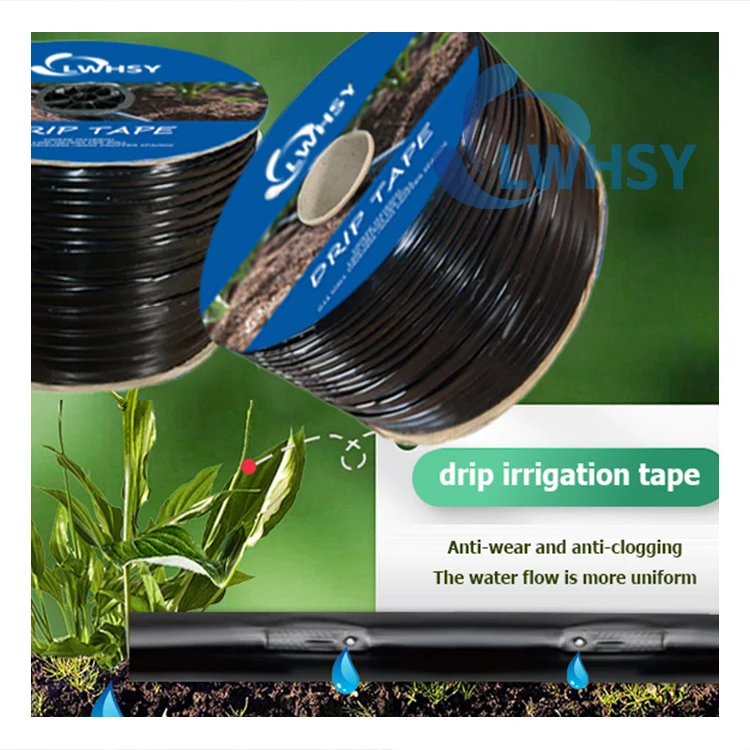
Drip irrigation represents the gold standard among water-saving irrigation solutions for greenhouse applications, offering unmatched precision in water delivery combined with remarkable efficiency gains. These systems utilize flexible polyethylene tubing with embedded emitters that release water in controlled droplets directly onto growing media or substrate surfaces. Modern inline emitter drip tape and tubing products feature precision-manufactured flow regulators that maintain consistent discharge rates across varying pressure conditions and terrain elevations, ensuring uniform water distribution throughout greenhouse production zones. The slow, steady water application characteristic of drip systems allows complete infiltration into root zones without runoff or ponding, maximizing moisture availability while minimizing waste.
Advanced water-saving irrigation solutions incorporating flat emitter technology deliver exceptional performance in greenhouse vegetable and ornamental production systems. These specialized emitters distribute water through precisely engineered labyrinth channels that create turbulent flow patterns, preventing clogging from suspended particles and mineral precipitates commonly found in greenhouse water supplies. Pressure-compensating mechanisms within premium emitters automatically adjust internal flow pathways to maintain consistent discharge rates even when system pressure fluctuates due to pump cycling, simultaneous zone operation, or elevation changes within larger greenhouse complexes. This engineering sophistication ensures that plants at the beginning and end of irrigation lines receive identical water volumes, eliminating the growth variability that plagues simpler irrigation designs.
Optimizing Emitter Spacing and Flow Rates for Different Crops
Implementing effective water-saving irrigation solutions in greenhouses requires matching emitter specifications to specific crop requirements and growing system configurations. Emitter spacing along drip lines typically ranges from 10 to 40 centimeters depending on crop density, root spread characteristics, and substrate water-holding capacity. High-density vegetable production systems growing lettuce, herbs, or microgreens benefit from closely-spaced emitters at 10 to 15 centimeter intervals that create continuous moisture bands across grow beds or channels. Larger-spaced crops like tomatoes, peppers, and cucumbers perform optimally with emitter spacing of 20 to 30 centimeters, positioning discharge points near individual plant stems while allowing lateral water movement through substrate to reach surrounding root volumes.
Flow rate selection significantly impacts the water conservation performance of greenhouse drip irrigation systems, with lower flow rates generally providing superior efficiency for most applications. Standard emitter discharge rates range from 0.5 to 4.0 liters per hour, with lower-flow options delivering better infiltration characteristics in fine-textured growing media while higher-flow emitters suit coarser substrates like perlite blends or coconut coir. Research conducted at university greenhouse facilities demonstrates that water-saving irrigation solutions using 1.0 to 2.0 liter-per-hour emitters achieve optimal moisture distribution in containerized ornamental production while minimizing leachate volumes that represent both water waste and nutrient loss. Selecting appropriate emitter specifications requires analyzing substrate physical properties, crop water demand patterns, and irrigation scheduling flexibility to create systems that deliver maximum efficiency without compromising plant health or production outcomes.
Subsurface Drip Installation for Enhanced Efficiency
Subsurface drip irrigation represents an advanced category of water-saving irrigation solutions that offers even greater conservation potential than surface-applied systems in certain greenhouse production scenarios. These installations position drip tubing 5 to 15 centimeters below the growing medium surface, delivering moisture directly into the active root zone while eliminating all surface evaporation losses. Subsurface systems prove particularly advantageous in greenhouse operations growing in ground beds or raised beds with permanent crops like strawberries, where installation disruption can be minimized and long-term water savings justify the additional installation complexity. The buried tubing configuration also protects irrigation components from UV degradation, mechanical damage during cultivation operations, and interference with automated equipment movement.
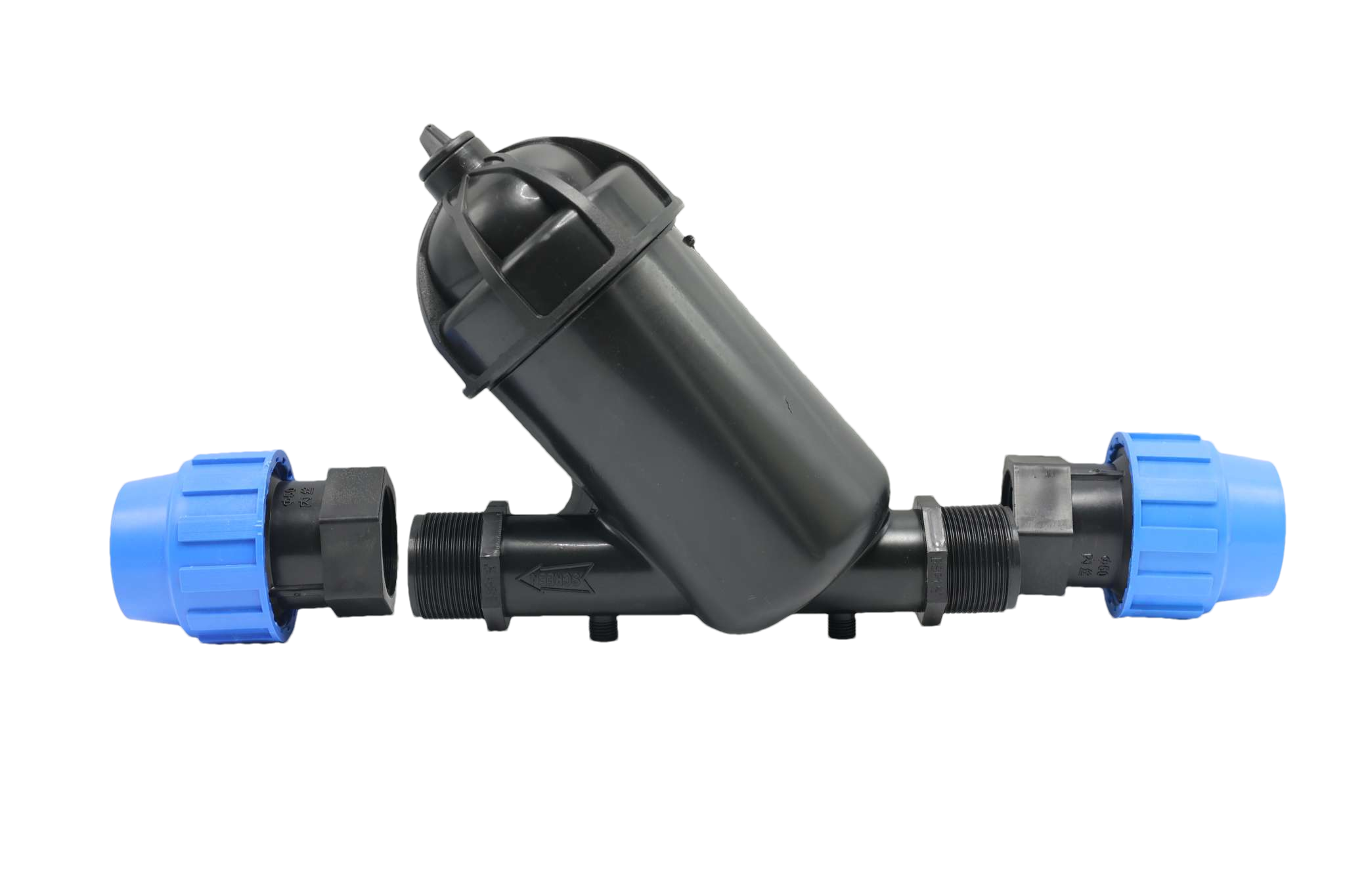
Implementation of subsurface water-saving irrigation solutions requires careful attention to emitter depth placement and spacing to ensure adequate moisture distribution throughout the root zone without creating excessively wet conditions that promote root diseases. Shallow installations at 5 to 8 centimeters suit crops with fibrous surface root systems and provide easier system maintenance access, while deeper placements at 10 to 15 centimeters work better for crops with more extensive root architectures. Proper filtration becomes absolutely critical in subsurface systems since clogged emitters cannot be easily inspected or cleaned without excavation. Premium filtration equipment including 120-mesh screen filters or disc filter assemblies should be considered mandatory components of any subsurface drip installation to protect the significant investment in buried infrastructure and maintain long-term system performance.
Automated Control Systems for Precision Water Management
Soil Moisture Sensor Integration and Demand-Based Scheduling
Transforming basic drip irrigation infrastructure into truly optimized water-saving irrigation solutions requires integrating automated control systems that respond to actual crop water needs rather than relying on fixed timer schedules. Soil moisture sensors installed at representative locations throughout greenhouse growing areas continuously monitor substrate water content, transmitting real-time data to irrigation controllers that initiate watering cycles only when moisture levels decline to predetermined thresholds. This demand-based approach eliminates the water waste inherent in calendar-based scheduling that cannot account for day-to-day variations in weather conditions, crop growth stages, or greenhouse environmental control performance. Research documentation from commercial greenhouse trials indicates that sensor-based irrigation control reduces water consumption by 20 to 40 percent compared to timer-based scheduling while simultaneously improving crop uniformity and reducing disease incidence.
Modern water-saving irrigation solutions employ multiple sensor technologies to create comprehensive moisture monitoring networks that capture spatial variability across greenhouse production zones. Tensiometers measure soil water tension or the suction force plants must overcome to extract moisture, providing direct insight into water availability from the plant perspective. Capacitance sensors evaluate the dielectric properties of growing media to estimate volumetric water content with excellent accuracy across a wide moisture range. Time-domain reflectometry sensors offer laboratory-grade precision suitable for research applications and high-value specialty crops. Strategic deployment of multiple sensor types at different depths and locations enables sophisticated irrigation algorithms that optimize water application timing, duration, and frequency to match precise crop requirements throughout all growth stages and environmental conditions.
Weather-Based Irrigation Adjustment and Evapotranspiration Modeling
Advanced greenhouse operations enhance their water-saving irrigation solutions by incorporating weather-responsive control algorithms that automatically adjust water application based on environmental conditions affecting crop water demand. Evapotranspiration models calculate theoretical crop water use based on solar radiation, temperature, humidity, and air movement data collected by environmental monitoring sensors distributed throughout greenhouse facilities. These calculations provide predictive irrigation scheduling that anticipates water requirements before plants experience moisture stress, maintaining optimal hydration status that supports maximum photosynthetic efficiency and growth rates. Integration of environmental data with soil moisture monitoring creates robust dual-verification systems that cross-check predicted water needs against measured substrate conditions, triggering irrigation events only when both indicators confirm the necessity.
Implementing weather-responsive water-saving irrigation solutions delivers particularly significant efficiency gains in greenhouse operations with sophisticated climate control systems that actively manage temperature and humidity. During periods of high heating system operation, lower humidity levels and increased vapor pressure deficits substantially elevate crop water demand, requiring more frequent irrigation to maintain plant hydration. Conversely, during cool, humid conditions with minimal ventilation, crop water use declines dramatically and irrigation frequency must be reduced proportionally to prevent substrate waterlogging and root zone oxygen depletion. Automated systems that continuously recalculate irrigation requirements based on real-time greenhouse climate conditions optimize water use while preventing both under-irrigation stress and over-irrigation waste that characterize simpler control approaches unable to respond dynamically to changing environmental factors.
Multi-Zone Control for Diverse Crop Requirements
Greenhouse facilities growing multiple crop species or varieties with differing water requirements benefit enormously from water-saving irrigation solutions that incorporate independent zone control capabilities. Modern irrigation controllers manage dozens or even hundreds of individual irrigation zones, each with customized programming for emitter flow rates, application duration, frequency, and scheduling parameters tailored to specific crop needs. This zoned approach allows greenhouse operators to cultivate water-efficient succulents alongside moisture-demanding leafy greens within the same facility while providing each crop category with precisely appropriate irrigation management. Zone-specific control eliminates the compromise inherent in single-program systems that inevitably over-water some crops while under-watering others, a wasteful situation that reduces both water efficiency and crop quality across the entire operation.
Sophisticated multi-zone water-saving irrigation solutions enable differential irrigation strategies based on crop growth stage in addition to species requirements. Young transplants with limited root systems require frequent, light irrigation applications to maintain consistent moisture in the restricted substrate volume surrounding developing roots. As plants mature and root systems expand, irrigation frequency can be reduced while application duration increases to encourage deeper root exploration and improve plant resilience. Crops approaching harvest often benefit from controlled moisture reduction that concentrates flavors, improves storage quality, or triggers desired physiological responses. Programmable zone control allows greenhouse managers to implement these stage-specific irrigation protocols simultaneously across multiple production areas without manual intervention, optimizing water use efficiency while supporting superior crop outcomes throughout all phases of the growing cycle.
Closed-Loop Recirculation Systems for Zero-Waste Operations
Capturing and Treating Leachate for Reuse
The most advanced water-saving irrigation solutions for greenhouse operations incorporate closed-loop recirculation systems that capture, treat, and reuse all excess water that drains from growing containers or benches. These zero-discharge systems eliminate the environmental impact and resource waste associated with conventional drainage practices that allow nutrient-rich leachate to flow into waste streams. Recirculation infrastructure includes collection channels or gutters positioned beneath growing areas that direct drainage water to central reservoir tanks where it undergoes filtration and disinfection treatment before returning to irrigation supply lines. Commercial greenhouse operations implementing comprehensive recirculation systems routinely achieve total water use reductions of 40 to 60 percent compared to conventional open-loop irrigation approaches, representing both substantial cost savings and significant environmental sustainability improvements.
Implementing effective recirculation as part of comprehensive water-saving irrigation solutions requires careful system design to prevent pathogen accumulation and disease transmission through recycled water. Ultraviolet sterilization systems expose recirculated water to high-intensity UV radiation that destroys bacteria, fungi, and viruses that might otherwise spread throughout greenhouse crops. Slow sand filtration provides biological treatment that removes organic particles and reduces pathogen loads through microbial competition. Ozone injection offers powerful oxidation that eliminates both biological contaminants and dissolved organic compounds that can interfere with irrigation system performance. Premium recirculation systems typically employ multiple treatment technologies in series, creating redundant pathogen barriers that ensure recycled water meets or exceeds the microbiological quality of original source water while conserving this precious resource.
Nutrient Management in Recirculating Systems
Water-saving irrigation solutions incorporating recirculation require sophisticated nutrient management strategies that account for the changing composition of recycled water as crops selectively absorb different mineral elements. As water cycles repeatedly through the irrigation system, certain nutrients like nitrogen and potassium are depleted rapidly while others such as calcium, magnesium, and sulfate accumulate to potentially toxic concentrations. Advanced fertigation systems monitor electrical conductivity and pH continuously while periodic laboratory analysis tracks individual nutrient concentrations in reservoir water. Automated dosing systems inject concentrated fertilizer solutions to replenish depleted nutrients while maintaining appropriate electrical conductivity levels, and periodic drainage or dilution prevents excessive accumulation of non-essential elements that cannot be managed through fertilizer adjustment alone.
Greenhouse operations utilizing recirculating water-saving irrigation solutions benefit from implementing real-time nutrient monitoring technology that provides continuous feedback on water quality parameters affecting crop nutrition and system performance. Ion-selective electrode sensors measure specific nutrients like nitrate, potassium, and calcium in real time, enabling precise fertigation control that maintains optimal nutrient concentrations despite constant uptake by crops. Spectrophotometric analyzers evaluate multiple nutrient parameters simultaneously, providing comprehensive water quality profiles that inform management decisions. Integration of nutrient monitoring data with automated fertilizer injection systems creates closed-loop control that automatically adjusts nutrient additions based on measured concentrations rather than relying on predetermined injection rates that cannot respond to actual crop uptake patterns or changing water quality conditions in recirculation systems.
Economic and Environmental Benefits of Closed Systems
The investment required to implement comprehensive closed-loop water-saving irrigation solutions generates compelling returns through multiple economic and environmental benefit pathways that extend well beyond simple water cost savings. Fertilizer expense reductions of 30 to 50 percent result from capturing and reusing nutrients that would otherwise be lost in drainage water, with the economic value of conserved fertilizer often exceeding water savings in regions where agricultural water costs remain relatively low. Elimination of contaminated discharge protects greenhouse operations from increasingly stringent environmental regulations governing nutrient runoff to surface waters and groundwater, avoiding potential compliance costs, discharge permits, and regulatory penalties that threaten operations releasing untreated effluent. Enhanced disease management resulting from reduced humidity and improved sanitation further improves profitability by reducing pesticide applications and crop losses.
Beyond direct cost savings, greenhouse operations implementing advanced water-saving irrigation solutions with recirculation capabilities strengthen their market positioning by demonstrating environmental leadership that resonates with increasingly sustainability-conscious consumers and retail partners. Third-party certification programs like organic production standards, good agricultural practices protocols, and sustainability verification schemes often award preferential recognition to operations employing closed-loop systems that minimize environmental impacts. Marketing advantages and potential price premiums available to certified sustainable producers can substantially enhance the economic returns from investing in premium irrigation technology. Progressive greenhouse operations view comprehensive water conservation systems not merely as production efficiency improvements but as strategic business investments that differentiate their operations in competitive markets increasingly driven by environmental performance expectations.
Selecting and Implementing Optimal Irrigation Solutions
Assessing Site-Specific Requirements and Constraints
Choosing the most appropriate water-saving irrigation solutions for a specific greenhouse operation requires systematic evaluation of multiple technical, economic, and operational factors that influence system performance and investment returns. Water source characteristics including flow rate capacity, pressure availability, and quality parameters fundamentally constrain system design options and may necessitate supplemental pumping, filtration, or treatment infrastructure. Greenhouse structural configurations such as bench arrangements, hanging basket systems, or ground bed layouts dictate irrigation component placement and distribution network architecture. Crop selection and production schedules determine irrigation flexibility requirements, with diverse multi-crop operations demanding more sophisticated zone control capabilities than specialized single-crop facilities can justify economically.
Budget constraints and financing availability significantly influence the sophistication level practical for implementing water-saving irrigation solutions in commercial greenhouse operations. Basic drip irrigation infrastructure with manual control offers substantial efficiency improvements over conventional overhead systems at relatively modest investment levels, making this technology accessible even for smaller operations with limited capital resources. Mid-range systems incorporating automated controllers and soil moisture sensors deliver enhanced performance and labor savings that justify moderately higher costs for operations ready to embrace some technology sophistication. Premium installations with comprehensive recirculation, advanced environmental monitoring, and fully integrated crop management systems require substantial capital commitments appropriate primarily for larger commercial operations or high-value specialty crop producers where maximum efficiency and production optimization justify premium technology investments.
Professional Design and Installation Considerations
Successful implementation of advanced water-saving irrigation solutions depends critically on proper system design that accounts for hydraulic principles, component specifications, and operational requirements specific to greenhouse applications. Professional irrigation designers employ specialized software tools that model system hydraulics, calculate pressure losses through distribution networks, and size pumps, filters, and control valves appropriately for intended operating conditions. Inadequate design attention to pressure regulation, flow balancing, and emitter uniformity commonly undermines the performance potential of quality irrigation components, resulting in disappointing efficiency outcomes that reflect poor engineering rather than inherent technology limitations. Engaging experienced irrigation system designers familiar specifically with greenhouse applications represents a valuable investment that protects capital expenditures and ensures installations deliver anticipated water savings and crop performance benefits.
Installation quality exerts equally important influence on the long-term performance and reliability of water-saving irrigation solutions in demanding greenhouse production environments. Proper tubing support prevents sagging that creates low spots where sediment accumulates and air locks that disrupt flow distribution. Appropriate flushing protocols during installation remove manufacturing debris and installation contaminants that would otherwise migrate to emitters and cause premature clogging. Systematic pressure testing identifies leaks and connection failures before systems enter service, preventing water waste and crop damage from undetected problems. Greenhouse operators should insist on documented installation procedures, comprehensive system testing, and thorough operator training as non-negotiable requirements when contracting professional irrigation system installation services, ensuring their investment in premium technology delivers maximum value through proper deployment and ongoing management.
Maintenance Protocols for Sustained Performance
Maintaining optimal performance from water-saving irrigation solutions requires implementing systematic maintenance schedules that address predictable wear patterns and operational challenges common in greenhouse environments. Regular filter cleaning prevents pressure loss and flow reduction that compromise system uniformity and water distribution. Periodic emitter inspection identifies clogging problems requiring line flushing or chemical treatment with acid or chlorine solutions to restore proper discharge rates. Sensor calibration verification ensures monitoring systems provide accurate data for irrigation control decisions. Control valve functionality testing confirms proper zone operation and prevents water waste from stuck-open valves or failed solenoids. Establishing documented maintenance procedures with assigned responsibilities and completion tracking ensures critical tasks receive consistent attention rather than being deferred during busy production periods when irrigation system reliability matters most.
Long-term performance monitoring provides essential feedback for optimizing water-saving irrigation solutions and identifying opportunities for continuous improvement in greenhouse water management. Recording total water use per crop cycle and calculating water use efficiency metrics creates baseline data for evaluating system performance over time and detecting degradation that signals maintenance needs or component replacement requirements. Comparing actual water consumption against theoretical crop requirements calculated from evapotranspiration models reveals whether systems continue operating at design efficiency or have developed problems reducing conservation effectiveness. Regular system audits evaluating distribution uniformity, pressure profiles, and emitter discharge rates quantify performance characteristics that inform decisions about system upgrades, zone reconfiguration, or component replacement that maintain optimal water conservation as facilities evolve and production systems change over years of operation.
FAQ
What is the average water savings achievable with drip irrigation compared to overhead sprinklers in greenhouses?
Properly designed and managed drip irrigation systems typically reduce water consumption by 30 to 70 percent compared to conventional overhead sprinkler systems in greenhouse applications. The actual savings depend on factors including crop type, growing media characteristics, climate control sophistication, and irrigation scheduling precision. Operations implementing comprehensive water-saving irrigation solutions with sensor-based automation and recirculation capabilities routinely achieve water use reductions at the higher end of this range while simultaneously improving crop quality and reducing disease pressure associated with excessive moisture on plant foliage.
How do closed-loop recirculation systems affect water quality and crop health over time?
Closed-loop recirculation systems maintain excellent water quality and support superior crop health when properly designed with appropriate treatment technology including filtration and pathogen disinfection. Regular monitoring of electrical conductivity, pH, and individual nutrient concentrations allows proactive management of water chemistry to prevent problems before they affect crops. Periodic partial drainage or dilution prevents accumulation of sodium, chloride, and other elements that crops do not readily absorb. When managed attentively, recirculating water-saving irrigation solutions deliver crop performance equal to or better than open-loop systems while providing substantial water and fertilizer conservation benefits that improve both environmental sustainability and economic profitability.
What maintenance requirements do automated irrigation controllers and sensors need in greenhouse environments?
Automated components of advanced water-saving irrigation solutions require modest but consistent maintenance to ensure reliable long-term performance. Soil moisture sensors should be inspected quarterly and cleaned of substrate buildup or mineral deposits that can affect readings, with periodic calibration verification against laboratory measurements. Electronic controllers need battery replacement according to manufacturer schedules and occasional firmware updates to access improved functionality. Environmental sensors measuring temperature, humidity, and radiation require annual calibration checks. While these maintenance requirements add to operational responsibilities, the labor savings from automated irrigation management and improved water efficiency substantially outweigh the modest time investment needed to maintain monitoring and control equipment in proper working condition.
Can existing greenhouse irrigation systems be upgraded incrementally to improve water efficiency?
Most existing greenhouse irrigation systems can be upgraded incrementally to incorporate water-saving irrigation solutions without requiring complete replacement of all infrastructure. Operations with overhead sprinkler systems can convert to drip irrigation zone by zone, maintaining existing water supply lines while replacing only distribution components within growing areas. Basic timer-controlled drip systems can be enhanced by adding soil moisture sensors and upgrading to sensor-responsive controllers that optimize scheduling. Facilities can implement recirculation infrastructure progressively, beginning with collection systems in limited areas and expanding treatment capacity as budget permits. This incremental approach allows greenhouse operations to improve water efficiency systematically while spreading capital investments over multiple years and learning optimal management practices progressively as system sophistication increases.
Table of Contents
- Understanding Water Efficiency Principles in Greenhouse Irrigation
- Drip Irrigation Technology for Maximum Water Conservation
- Automated Control Systems for Precision Water Management
- Closed-Loop Recirculation Systems for Zero-Waste Operations
- Selecting and Implementing Optimal Irrigation Solutions
-
FAQ
- What is the average water savings achievable with drip irrigation compared to overhead sprinklers in greenhouses?
- How do closed-loop recirculation systems affect water quality and crop health over time?
- What maintenance requirements do automated irrigation controllers and sensors need in greenhouse environments?
- Can existing greenhouse irrigation systems be upgraded incrementally to improve water efficiency?