
 EN
EN
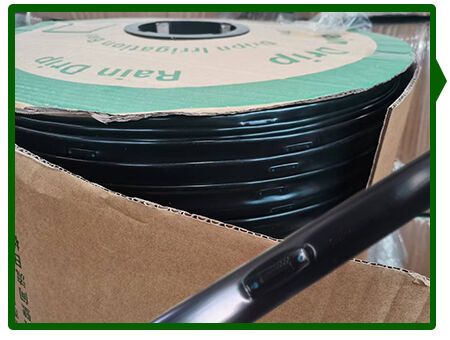
Selecting appropriate irrigation accessories for your farm is a critical decision that directly impacts water efficiency, crop yield, and operational costs. Modern agricultural operations demand precision in water delivery systems, and the quality of irrigation accessories plays a pivotal role in achieving optimal performance. From connectors and plugs to valves and fittings, each component must be carefully evaluated based on your farm's specific requirements, crop types, soil conditions, and water source characteristics. Understanding the technical specifications, material durability, and compatibility of irrigation accessories ensures that your investment translates into long-term productivity and resource conservation.
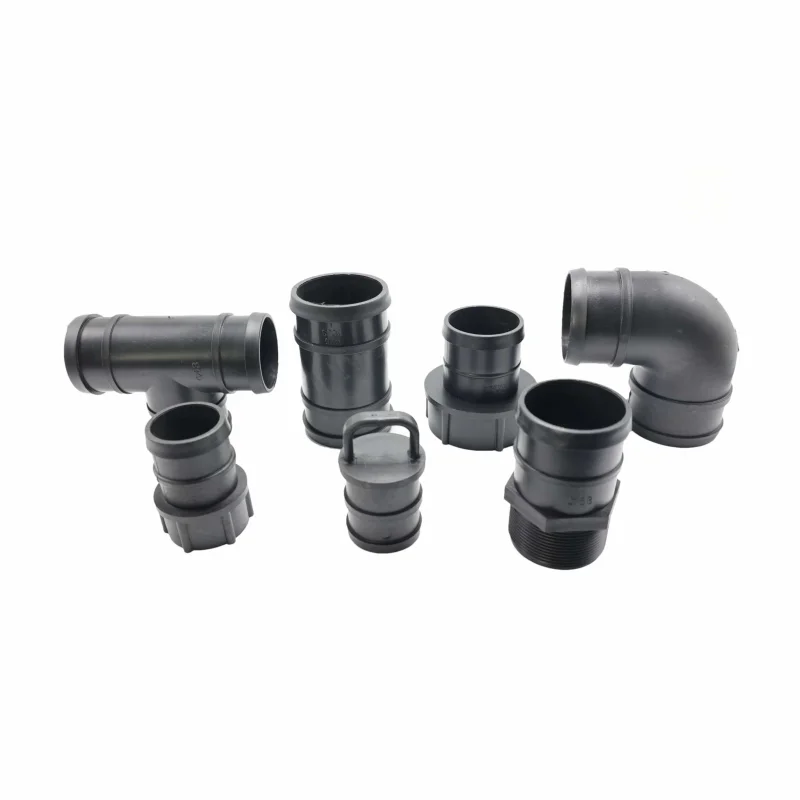
The landscape of irrigation accessories has evolved significantly with advancements in materials science and agricultural engineering. Farmers now have access to specialized components designed for various irrigation methods including drip systems, sprinkler networks, and micro-irrigation setups. The challenge lies not in availability but in making informed choices that align with your operational goals, budget constraints, and environmental conditions. This comprehensive guide examines the essential factors that influence the selection of irrigation accessories, helping you build a robust and efficient watering system that supports sustainable farming practices while maximizing return on investment.
Understanding Your Farm's Irrigation System Requirements
Assessing Water Source and Pressure Characteristics
The foundation of selecting appropriate irrigation accessories begins with a thorough evaluation of your water source. Whether you rely on wells, municipal supply, surface water bodies, or rainwater harvesting systems, each source presents unique pressure profiles and flow characteristics. Water pressure measurements at different points across your farm help determine which irrigation accessories can function optimally without causing system failures or inefficiencies. Low-pressure scenarios may require specialized fittings and wider diameter connectors, while high-pressure situations demand reinforced components with superior burst resistance.
Flow rate consistency is equally important when choosing irrigation accessories. Variable flow conditions necessitate accessories with adjustable features or pressure-regulating capabilities. Conducting a comprehensive hydraulic analysis of your existing or planned system identifies potential bottlenecks where inappropriate irrigation accessories could restrict water movement. This technical assessment should include seasonal variations in water availability, as drought conditions or peak demand periods may stress your system differently than average operating conditions.
Mapping Field Layout and Crop Distribution
Your farm's physical configuration directly influences which irrigation accessories will serve you best. Field topography, with its slopes, depressions, and elevation changes, creates zones with varying pressure requirements. Irrigation accessories such as three-way plugs and distribution connectors become essential tools for managing water delivery across uneven terrain. Detailed field mapping reveals where branching points should occur, how many lateral lines your main supply must support, and which connection types will provide the necessary flexibility for seasonal crop rotations.
Crop diversity adds another layer of complexity to accessory selection. Different plant species have distinct water requirements, root depths, and sensitivity to moisture stress. When cultivating multiple crop types simultaneously, your irrigation accessories must facilitate zone-specific water management. This might involve installing shut-off valves at strategic points, using quick-connect fittings for easy system reconfiguration, or incorporating pressure compensating components that ensure uniform water distribution regardless of position along the irrigation line. The spatial arrangement of crops relative to water sources determines the optimal placement and type of irrigation accessories throughout your system.
Evaluating System Scalability and Future Expansion
Forward-thinking farmers recognize that today's accessory choices impact tomorrow's expansion options. As agricultural operations grow or diversify, the irrigation infrastructure must adapt without requiring complete system overhauls. Selecting irrigation accessories with standardized connections and modular designs preserves flexibility for future modifications. Universal threading standards, compatible sizing across product lines, and readily available replacement parts reduce long-term maintenance costs and simplify upgrades when production demands increase.
Scalability considerations extend beyond physical compatibility to include hydraulic capacity. Irrigation accessories that currently meet your needs may become limiting factors as cultivated acreage expands. Anticipating growth trajectories helps identify components that offer adequate flow capacity margins. Installing slightly oversized main line connections or incorporating additional tapping points during initial setup, even if not immediately utilized, provides cost-effective pathways for expansion. This strategic approach to selecting irrigation accessories minimizes disruption to established crops and reduces the labor intensity of system modifications during critical growing seasons.
Material Selection and Durability Standards for Irrigation Accessories
Comparing Plastic Polymers and Their Agricultural Applications
The material composition of irrigation accessories fundamentally determines their longevity and performance under field conditions. High-density polyethylene (HDPE), polypropylene, and polyvinyl chloride (PVC) each offer distinct advantages for different applications. HDPE irrigation accessories exhibit excellent chemical resistance and flexibility, making them suitable for systems exposed to fertilizers or acidic water sources. Their ability to withstand freeze-thaw cycles without cracking provides crucial durability in temperate climates where seasonal temperature fluctuations are pronounced.
Polypropylene irrigation accessories deliver superior impact resistance and maintain structural integrity across a broader temperature range than many alternatives. This material excels in high-UV environments where prolonged sun exposure would degrade lesser plastics. PVC components offer rigid strength ideal for permanent installations and pressure applications, though they lack the flexibility of polyethylene variants. Understanding these material properties enables farmers to match irrigation accessories to specific stress factors present in their operations, whether mechanical impact from farm equipment, chemical exposure from agricultural inputs, or environmental extremes.
UV Stabilization and Weather Resistance Features
Agricultural irrigation accessories spend their entire operational lives exposed to solar radiation, which degrades polymers through photochemical reactions. Quality irrigation accessories incorporate UV stabilizers that absorb or reflect harmful wavelengths, significantly extending component lifespan. The concentration and type of UV inhibitors vary among manufacturers, with premium products often featuring carbon black additives or specialized antioxidant packages that provide multi-year protection even under intense sunlight conditions.
Weather resistance extends beyond UV protection to encompass thermal stability and moisture resistance. Temperature cycling causes expansion and contraction in irrigation accessories, potentially leading to stress cracking at connection points or seal failures. Advanced formulations include plasticizers and impact modifiers that maintain material flexibility across temperature extremes. Additionally, moisture absorption can compromise dimensional stability in lower-quality plastics, affecting thread engagement and sealing surfaces. Selecting irrigation accessories with proven weather resistance specifications ensures consistent performance throughout seasonal variations and extends replacement intervals, reducing long-term operational costs.
Pressure Ratings and Structural Integrity Standards
Every component within your irrigation system must safely withstand operating pressures with adequate safety margins. Irrigation accessories are typically rated for specific working pressures, often expressed in pounds per square inch (PSI) or bars. Choosing components rated significantly above your system's maximum operating pressure accounts for transient pressure spikes caused by pump startups, valve closures, or water hammer effects. Undersized or inadequately rated irrigation accessories create weak points where catastrophic failures can occur, potentially flooding fields, wasting water resources, and damaging crops.
Structural integrity testing by reputable manufacturers includes burst pressure assessments, fatigue cycling, and long-term pressure exposure trials. Quality irrigation accessories demonstrate consistent performance across thousands of pressure cycles, simulating years of field operation. Wall thickness specifications, reinforcement ribs, and engineered stress distribution features distinguish professional-grade components from economy alternatives. When evaluating irrigation accessories, request technical documentation detailing pressure ratings under various temperature conditions, as thermal expansion can significantly affect pressure tolerance. This diligence prevents costly system failures and ensures safety for farm personnel working near pressurized irrigation lines.
Compatibility and Connection Standards in Irrigation Systems
Thread Types and Sizing Conventions
Standardization in irrigation accessories simplifies system design and ensures reliable connections between components from different manufacturers. National Pipe Thread (NPT) standards dominate in many markets, featuring tapered threads that create pressure-tight seals when properly engaged. Understanding thread pitch, diameter specifications, and engagement depth requirements prevents leaks and connection failures. Female and male thread configurations must match precisely, with irrigation accessories manufactured to tight tolerances ensuring consistent fit across installations.
Alternative connection standards include British Standard Pipe (BSP) threads, quick-connect cam-lock systems, and compression fittings. Each offers specific advantages depending on application requirements. Quick-connect irrigation accessories facilitate rapid system reconfiguration and seasonal modifications without requiring tools, making them ideal for temporary installations or frequently adjusted zones. Compression fittings excel where vibration or thermal movement might loosen threaded connections, providing mechanical grip that maintains seal integrity under dynamic conditions. Selecting irrigation accessories with connection types matching your existing infrastructure or choosing a consistent standard across new installations streamlines maintenance and reduces the inventory of spare parts required.
Seal Technology and Leak Prevention Methods
Even perfectly matched irrigation accessories require effective sealing mechanisms to prevent water loss at connection points. Rubber O-rings, gasket seals, and thread sealant tape each serve specific functions in creating watertight joints. O-ring seals provide reliable sealing in compression-type irrigation accessories, with material selection critical for chemical compatibility and temperature performance. Ethylene propylene diene monomer (EPDM) and nitrile rubber offer excellent water resistance and aging characteristics suitable for agricultural applications.
Gasket seals in flanged irrigation accessories distribute clamping forces evenly, preventing stress concentrations that could damage plastic components. Proper gasket compression without over-tightening requires following manufacturer torque specifications. Thread sealant applications on NPT irrigation accessories fill microscopic gaps in the thread engagement, with PTFE tape or paste sealants providing chemical-resistant barriers against leakage. Understanding which sealing method applies to specific irrigation accessories prevents improper installations that compromise system integrity. Regular inspection of seals during maintenance intervals identifies degradation before failures occur, maintaining water efficiency and preventing costly repairs.
Adapter Solutions for Mixed-System Integration
Many farms operate irrigation systems assembled incrementally over years, resulting in mixed component standards and sizing. Adapter irrigation accessories bridge these compatibility gaps, connecting legacy equipment with modern components or integrating different piping materials. Transitioning from metal to plastic systems, stepping between pipe diameters, or converting thread types all require specialized adapters that maintain hydraulic efficiency while ensuring structural integrity at the interface.
Quality adapter irrigation accessories account for differential thermal expansion between dissimilar materials, incorporating features that prevent stress cracking at transition points. When connecting rigid PVC to flexible polyethylene, for example, the adapter must accommodate material movement without compromising seal integrity. Reducer and increaser fittings manage flow transitions between pipe sizes, with gradual taper angles minimizing turbulence and pressure loss. Strategic placement of adapter irrigation accessories enables farmers to upgrade systems incrementally, preserving functional existing components while incorporating improved technology where it delivers the greatest impact on performance and efficiency.
Functional Categories and Application-Specific Irrigation Accessories
Distribution Components for Water Flow Management
Effective irrigation systems require precise control over water distribution patterns, making junction and branching irrigation accessories fundamental to system design. Three-way plugs, tee connectors, and manifold assemblies divide main supply lines into multiple lateral branches, enabling zone-specific water delivery. The flow characteristics of these irrigation accessories significantly impact pressure uniformity across all connected lines. Well-designed distribution components minimize turbulence and pressure drops, maintaining adequate flow to distant sections of your irrigation network.
Manifold-style irrigation accessories offer particular advantages in complex systems requiring multiple outlets from a single supply point. These components typically feature reinforced construction to handle the cumulative pressure from multiple branches and may include integrated shut-off valves for individual line control. When selecting distribution irrigation accessories, consider the number of branches you'll need both immediately and in future expansions. Oversizing manifold capacity during initial installation provides flexibility for system growth without requiring replacement of this critical component. Flow balancing features in premium distribution irrigation accessories ensure equal water delivery to all branches regardless of their position along the manifold.
End-Line Components and System Termination
Proper system termination with appropriate end-cap irrigation accessories prevents water loss and maintains system pressure. These components must withstand full system pressure while providing secure closure that resists dislodgement from soil movement, thermal expansion, or accidental impact. Threaded end caps offer permanent closure for fixed installations, while quick-release end-line irrigation accessories facilitate system flushing and maintenance access. Flush valves represent specialized end-line components that enable periodic cleaning of accumulated sediment without disconnecting irrigation lines.
End-line irrigation accessories also include air release valves that prevent air lock conditions in systems with elevation changes. Trapped air creates pressure inconsistencies and can completely block water flow in affected sections. Automatic air release irrigation accessories installed at high points along your irrigation network vent accumulated gases while preventing water escape once air is purged. This functionality is particularly important in undulating terrain where pipeline profiles include peaks that naturally accumulate air. Selecting appropriate end-line irrigation accessories based on your system topology ensures complete water delivery and simplifies troubleshooting when performance issues arise.
Control and Regulation Irrigation Accessories
Automated and semi-automated irrigation systems rely on control irrigation accessories to manage water delivery timing and volume. Solenoid valves, actuated by irrigation controllers, provide remote on-off control for individual zones. These irrigation accessories must deliver reliable operation across thousands of cycles while maintaining seal integrity. Electrical specifications, voltage compatibility, and flow capacity ratings determine appropriate valve selection for your control system architecture.
Pressure regulation irrigation accessories maintain consistent outlet pressure despite variations in supply pressure, ensuring uniform water application across large field areas. This capability is essential in systems drawing from municipal supplies with fluctuating pressure or in operations with multiple zones operating simultaneously. Flow control irrigation accessories provide precise water volume management, enabling implementation of deficit irrigation strategies or precise nutrient delivery through fertigation systems. When integrated thoughtfully, control and regulation irrigation accessories transform basic watering systems into sophisticated precision agriculture tools that optimize water use efficiency and crop outcomes.
Maintenance Considerations and Long-Term Performance Factors
Serviceability and Field Repair Capabilities
The practical reality of agricultural operations demands that irrigation accessories support field maintenance without requiring specialized tools or extensive downtime. Components with hand-tightenable connections enable quick adjustments and repairs during growing seasons when time is critical. Irrigation accessories featuring captive seals that remain attached during disassembly prevent loss of small components in field conditions. Modular designs that allow replacement of worn elements without replacing entire assemblies reduce maintenance costs and minimize the spare parts inventory you must maintain.
Tool-free irrigation accessories deliver particular value in remote field locations where carrying extensive toolkits is impractical. Quick-disconnect couplings, cam-lock mechanisms, and snap-fit connections enable rapid system modifications as crop layouts change or seasonal adjustments become necessary. When evaluating irrigation accessories for purchase, consider the maintenance skills available on your farm and select components whose service requirements match your team's capabilities. Complex irrigation accessories offering advanced features may not justify their cost if they require professional service for routine maintenance tasks that simpler alternatives handle adequately with basic in-house capabilities.
Cleaning Requirements and Sediment Management
Water quality variations throughout the growing season introduce sediment, biological growth, and mineral deposits into irrigation systems. Irrigation accessories with smooth internal passages resist buildup better than those with complex internal geometries where deposits accumulate. Regular flushing programs maintain flow capacity, but system design must incorporate irrigation accessories that facilitate this maintenance activity. Flush ports, removable end caps, and accessible connection points enable effective cleaning without extensive system disassembly.
Screen filters integrated into strategic irrigation accessories trap particulates before they enter sensitive system components. These filtering irrigation accessories require periodic cleaning as captured material restricts flow. Selecting screen sizes appropriate for your water quality balances filtration effectiveness against cleaning frequency. Excessively fine screens clog rapidly in turbid water conditions, while overly coarse screens allow passage of particles that damage downstream components. Some irrigation accessories incorporate self-cleaning mechanisms or easy-access screen cartridges that simplify maintenance. In systems using surface water sources or untreated well water, prioritizing irrigation accessories with robust sediment handling capabilities prevents performance degradation and extends component lifespan.
Replacement Cycles and Inventory Planning
Even high-quality irrigation accessories eventually require replacement due to wear, UV degradation, or accidental damage. Developing realistic replacement schedules based on manufacturer specifications and your specific operating conditions prevents unexpected failures during critical irrigation periods. Maintaining strategic inventories of commonly needed irrigation accessories ensures rapid response to failures without disrupting crop watering schedules. Standardizing on specific product lines simplifies inventory management and ensures compatibility when replacements are needed.
Wear patterns in irrigation accessories often follow predictable paths, with seals typically degrading before structural components. Proactive replacement of consumable elements like O-rings and gaskets during scheduled maintenance windows prevents cascading failures that could affect larger system sections. Tracking replacement histories for various irrigation accessories across your farm identifies performance outliers that may indicate installation errors, inappropriate component selection, or localized stress factors requiring attention. This data-driven approach to irrigation accessories management optimizes maintenance budgets while maintaining system reliability throughout the growing season when irrigation performance directly impacts crop success and farm profitability.
FAQ
How do I determine the correct size of irrigation accessories for my existing piping system?
Matching irrigation accessories to your piping requires identifying both the pipe's nominal diameter and its specific dimensional standard. Measure the outside diameter of your existing pipe and consult sizing charts from manufacturers to determine whether you have metric, imperial, or proprietary sizing. Most agricultural irrigation systems use standardized sizes like half-inch, three-quarter-inch, or one-inch nominal diameters, but actual dimensions vary between piping materials. When purchasing irrigation accessories, confirm they match both the diameter and connection type of your pipes, whether threaded, barbed, compression, or quick-connect. If uncertain, bring a pipe sample to suppliers or photograph connection points clearly showing threads or fitting interfaces to ensure proper component matching.
What are the most critical factors when selecting irrigation accessories for drip irrigation versus overhead sprinkler systems?
Drip irrigation systems operate at relatively low pressures and require irrigation accessories that maintain precise flow control while resisting clogging from fine particles. Barbed connectors that secure drip tubing without crushing it, pressure-compensating emitters, and inline filters are essential. Overhead sprinkler systems operate at higher pressures and need irrigation accessories with superior burst resistance, swing joints that accommodate sprinkler movement, and riser fittings rated for dynamic loads. Drip systems benefit from frequent connection points and flexible irrigation accessories enabling easy layout adjustments, while sprinkler systems prioritize rigid, pressure-rated components that maintain alignment and withstand mechanical stress from moving parts and wind forces acting on elevated spray heads.
Can I mix irrigation accessories from different manufacturers within the same system?
Mixing irrigation accessories across manufacturers is feasible when components adhere to industry standards for threading, sizing, and connection interfaces. Products following NPT or BSP threading standards generally interconnect reliably regardless of brand. However, proprietary quick-connect systems, specialized locking mechanisms, and brand-specific sizing may not be cross-compatible. Always verify dimensional specifications and connection standards before mixing brands, and be particularly cautious with sealing surfaces where slight dimensional variations can compromise leak-free operation. For critical applications or warranty considerations, using irrigation accessories from the same product family ensures compatibility and simplifies technical support if issues arise. When mixing brands is necessary due to availability or cost considerations, prioritize standards-compliant products and test connections thoroughly before full system deployment.
How often should I inspect and replace irrigation accessories in a typical agricultural setting?
Inspection frequency for irrigation accessories depends on system intensity, water quality, and environmental exposure. Commercial operations should conduct thorough inspections at least twice annually—before the primary irrigation season begins and mid-season during peak use. Check for visible cracks, seal degradation, mineral buildup, and connection tightness. UV-exposed irrigation accessories in high-sunlight regions may require replacement every three to five years, while buried components protected from sunlight often last significantly longer. High-wear items like seals and gaskets may need annual replacement in intensively used systems. Implement a tag or mapping system that tracks installation dates of critical irrigation accessories, enabling proactive replacement based on age before failures occur. Systems using chemically treated water or fertigation may accelerate degradation, warranting more frequent inspection intervals to maintain reliability.
Table of Contents
- Understanding Your Farm's Irrigation System Requirements
- Material Selection and Durability Standards for Irrigation Accessories
- Compatibility and Connection Standards in Irrigation Systems
- Functional Categories and Application-Specific Irrigation Accessories
- Maintenance Considerations and Long-Term Performance Factors
-
FAQ
- How do I determine the correct size of irrigation accessories for my existing piping system?
- What are the most critical factors when selecting irrigation accessories for drip irrigation versus overhead sprinkler systems?
- Can I mix irrigation accessories from different manufacturers within the same system?
- How often should I inspect and replace irrigation accessories in a typical agricultural setting?