
 EN
EN
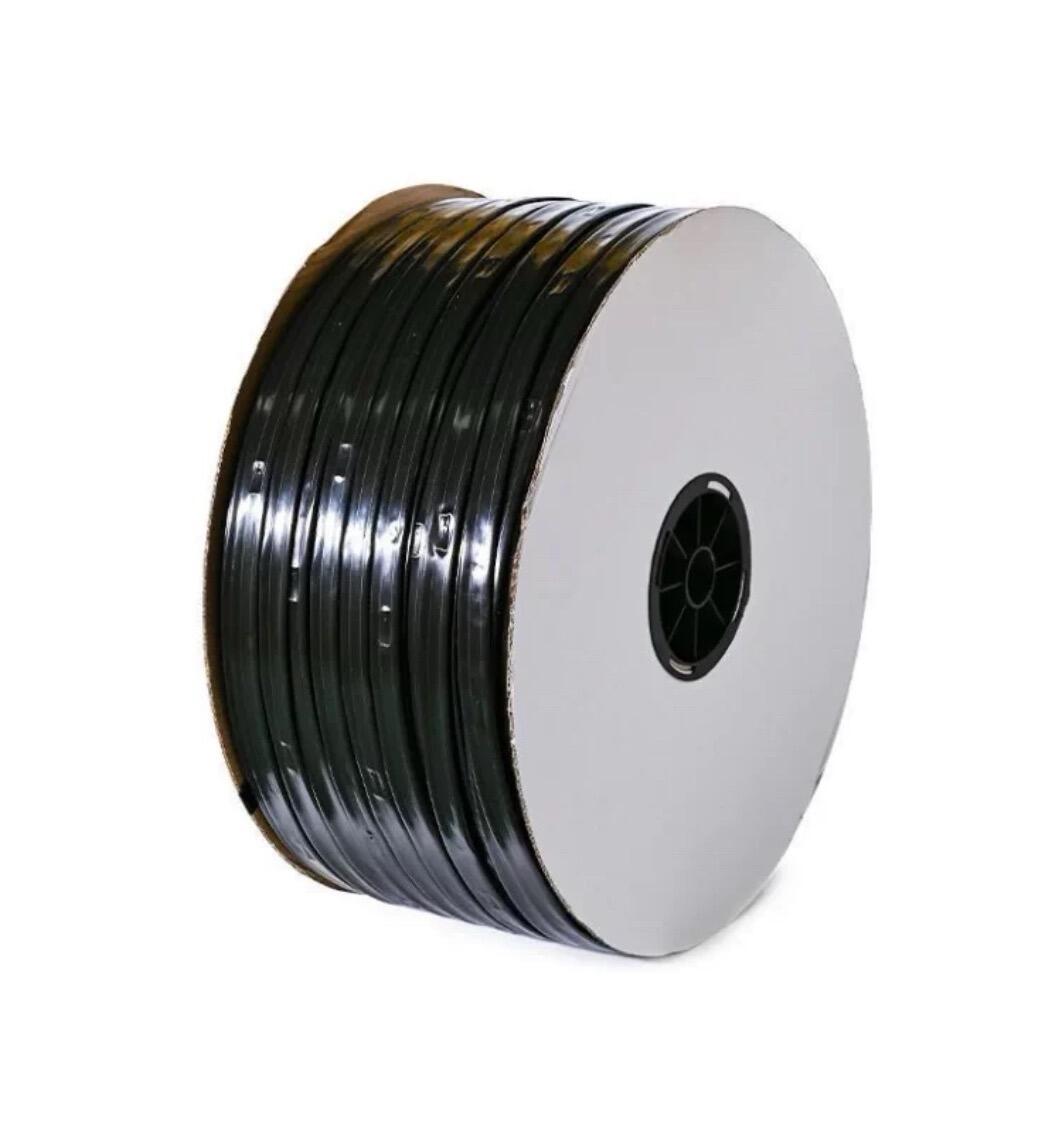
Designing a cost-effective drip irrigation system for farms requires careful planning that balances initial investment with long-term operational efficiency and crop yield improvement. A well-designed drip irrigation system delivers water directly to plant root zones, minimizing waste and reducing operational costs while maximizing agricultural productivity. For farm owners and agricultural managers seeking to optimize water usage without compromising crop health, understanding the fundamental design principles and component selection criteria becomes essential to achieving both economic sustainability and environmental stewardship.
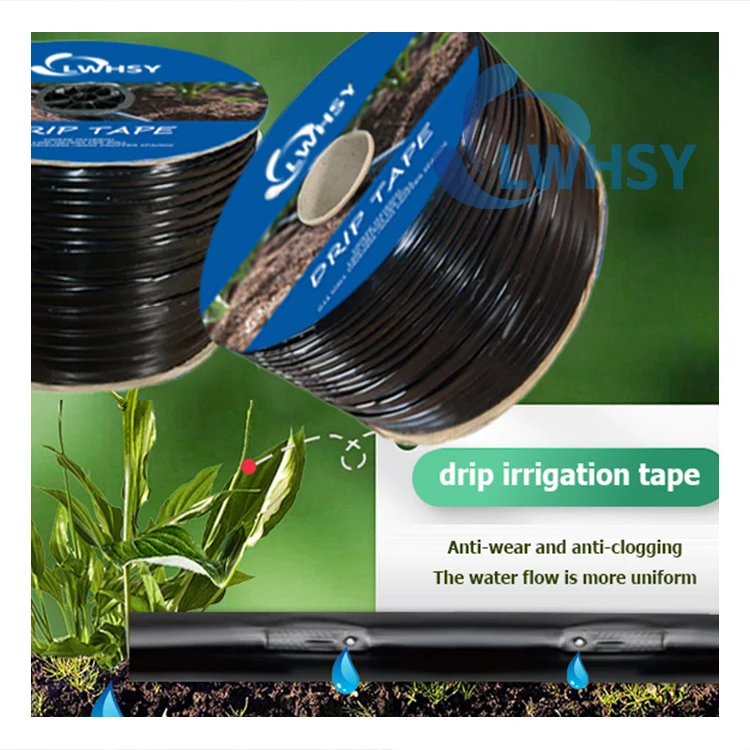
The process of creating an affordable yet effective drip irrigation system involves multiple strategic considerations including field assessment, component specification, layout optimization, and maintenance planning. Modern agricultural operations demand irrigation solutions that not only conserve precious water resources but also reduce labor requirements and energy consumption. By following systematic design methodologies and selecting appropriate components based on specific crop requirements and field conditions, farmers can implement irrigation infrastructure that pays dividends through reduced water bills, improved crop quality, and enhanced operational flexibility across growing seasons.
Understanding Field Requirements and Water Source Evaluation
Comprehensive Site Assessment for Irrigation Planning
Before designing any drip irrigation system, conducting a thorough site assessment establishes the foundation for cost-effective implementation. This evaluation process begins with detailed field measurements including total acreage, topography characteristics, soil type distribution, and existing infrastructure availability. Understanding slope variations across the farm helps determine whether gravity-fed systems can reduce pumping costs or if pressure-compensating emitters become necessary to maintain uniform water distribution. Soil texture analysis reveals infiltration rates and water-holding capacity, which directly influence emitter spacing and flow rate selection for optimal crop performance.
Water quality testing represents another critical component of preliminary assessment that significantly impacts system design and component longevity. High sediment levels may require filtration upgrades, while chemical composition affects material selection to prevent clogging or corrosion. Mapping existing water sources including wells, reservoirs, or municipal connections helps establish realistic system capacity parameters. This comprehensive evaluation prevents costly redesigns and ensures that the drip irrigation system specifications align with actual field conditions rather than theoretical assumptions that may lead to performance shortfalls.
Calculating Water Demand and System Capacity
Accurate water demand calculation forms the mathematical backbone of cost-effective drip irrigation system design. This process involves determining crop water requirements based on species, growth stage, climate data, and evapotranspiration rates specific to the geographic location. By establishing daily and peak seasonal water needs, designers can size system components appropriately without over-engineering that increases initial costs or under-sizing that compromises crop health. Precise demand calculations also inform decisions about storage tank sizing, pump capacity, and filtration requirements that collectively influence system economics.
System capacity planning must account for irrigation scheduling flexibility and operational constraints including labor availability and energy cost patterns. Designing a drip irrigation system that can deliver required water volumes within practical time windows prevents the need for oversized pumps or excessive lateral line counts. Consideration of expansion potential allows for phased implementation that spreads capital expenditure across multiple seasons while maintaining functional irrigation coverage. This strategic approach to capacity planning ensures that financial resources focus on essential components first, with optional enhancements added as budget permits and operational experience accumulates.
Component Selection Strategies for Economic Efficiency
Choosing the Right Drip Tape and Emitter Configuration
Selecting appropriate drip tape or tubing represents one of the most consequential decisions affecting both system cost and performance longevity. Drip tape thickness, measured in mils, directly correlates with durability and lifespan expectations, with thicker materials costing more initially but potentially reducing replacement frequency. For annual crops with frequent field preparation, lighter-weight drip tape may prove more economical since removal and reinstallation occur regularly, whereas permanent or semi-permanent installations for perennial crops justify investment in heavier-duty tubing that withstands multiple seasons without degradation.
Emitter spacing and flow rate selection must align with crop row spacing, root spread patterns, and soil infiltration characteristics to achieve uniform moisture distribution without runoff or deep percolation losses. A properly designed drip irrigation system balances emitter output rates with soil acceptance capacity, preventing water pooling that indicates inefficiency and wasted resources. Pressure-compensating emitters cost more than non-compensating alternatives but deliver consistent flow rates across varied terrain, potentially eliminating the need for multiple irrigation zones with separate pressure regulation, thereby simplifying system design and reducing installation complexity.
Filtration and Pressure Regulation Equipment
Filtration requirements depend primarily on water source quality, with surface water typically demanding more robust filtration than well water with lower sediment loads. Screen filters offer the most economical solution for relatively clean water sources, while media filters or disk filters become necessary when suspended particles exceed threshold concentrations that risk emitter clogging. Sizing filtration equipment appropriately prevents excessive pressure loss that would require larger pumps, yet undersized filters create maintenance burdens through frequent cleaning cycles that increase labor costs and potential system downtime during critical irrigation periods.
Pressure regulation components ensure that water delivery occurs within optimal ranges for emitter performance and system longevity. Pressure regulators at zone inlets prevent overpressure conditions that accelerate wear and cause non-uniform water distribution, while maintaining sufficient pressure for proper emitter function across the lateral lines. For cost-conscious designs, strategically placing regulators at key system points rather than throughout the entire network reduces component counts without sacrificing performance. This targeted approach to pressure management optimizes capital allocation by investing in regulation where it delivers maximum benefit to overall system functionality and irrigation uniformity.
Layout Design and Hydraulic Optimization
Zone Configuration and Manifold Arrangement
Dividing the farm into irrigation zones based on crop type, soil characteristics, and topography enables targeted water delivery that improves efficiency and reduces operational complexity. Zone design for a drip irrigation system should consider factors including crop water requirements, field access patterns, and available water pressure to create manageable units that can be irrigated sequentially or simultaneously depending on system capacity. Proper zone sizing prevents situations where pump capacity becomes the limiting factor in achieving adequate irrigation coverage, while excessively small zones increase valve counts and system complexity without corresponding performance benefits.
Manifold layout determines how water distributes from main lines to individual drip tape laterals, with configuration choices significantly affecting material costs and installation labor. Centralized manifold designs minimize main line lengths but may require longer lateral runs, whereas distributed manifolds reduce lateral distances at the expense of additional main line piping. Analyzing these tradeoffs within the specific field geometry reveals the most economical arrangement that meets hydraulic requirements without unnecessary material expenditure. Strategic manifold placement also facilitates maintenance access and operational monitoring, contributing to long-term cost management through simplified system servicing.
Lateral Line Spacing and Length Optimization
Determining optimal lateral line spacing involves balancing crop coverage requirements against material and installation costs for the drip irrigation system. Closer spacing provides more uniform soil moisture distribution and may benefit crops with extensive shallow root systems, but increases the total length of drip tape needed and associated installation labor. Conversely, wider spacing reduces material quantities but risks creating dry zones between laterals in soils with limited horizontal water movement. Understanding soil capillary action and conducting infiltration tests helps establish spacing parameters that achieve adequate coverage without over-investment in redundant lateral lines.
Lateral line length calculations must account for friction loss that causes pressure and flow rate reductions along the line, with longer laterals experiencing greater variation between inlet and outlet emitter performance. Hydraulic design principles establish maximum practical lateral lengths based on acceptable flow variation percentages, typically targeting less than ten percent difference across the line. When field dimensions exceed these calculated maximums, designers can implement multiple inlet points, use larger diameter tubing, or divide the area into additional zones. These solutions carry different cost implications, requiring analysis to identify the approach that maintains irrigation uniformity while minimizing total system investment.
Installation Methods and Cost Reduction Techniques
Strategic Material Sourcing and Bulk Purchasing
Reducing component costs through strategic procurement represents a significant opportunity for decreasing overall drip irrigation system investment without compromising quality or performance. Purchasing materials in bulk quantities often yields substantial per-unit cost reductions, making it economically advantageous for larger farms or agricultural cooperatives to coordinate purchases across multiple properties. Establishing relationships with suppliers who specialize in agricultural irrigation equipment can provide access to volume discounts, seasonal promotions, and technical support that adds value beyond simple price considerations.
Timing material purchases to coincide with off-season periods when demand decreases may unlock additional savings, though this strategy requires adequate storage facilities to protect components until installation. Comparing specifications across different manufacturers reveals that premium pricing does not always correlate with superior performance for every component category, allowing cost-conscious designers to mix and match products based on which features deliver genuine value for specific applications. This discriminating approach to material selection focuses spending on critical components where quality differences materially impact system longevity while accepting more economical alternatives for less demanding applications.
Labor-Efficient Installation Practices
Installation labor often represents a substantial portion of total drip irrigation system costs, making efficient field practices essential for budget-conscious projects. Mechanical installation equipment including drip tape layers attached to tractors dramatically reduces the time and labor required compared to manual placement methods, particularly for row crop applications where straight runs facilitate mechanized deployment. While equipment rental or purchase adds upfront costs, the labor savings across even moderate acreage typically justify the investment and enable faster system commissioning that may allow earlier crop establishment.
Organizing installation work to minimize repetitive tasks and material handling improves productivity and reduces total labor hours required for system completion. Pre-assembling manifold sections, organizing materials by installation sequence, and coordinating multiple work crews to handle specialized tasks concurrently accelerates project timelines. Training farm staff to perform routine installation tasks under supervision of experienced irrigation professionals builds internal capability that reduces reliance on external contractors for future expansions or modifications. This knowledge transfer represents an investment in long-term operational self-sufficiency that continues delivering economic benefits throughout the drip irrigation system lifecycle.
Maintenance Planning and Operational Cost Management
Preventive Maintenance Protocols
Establishing systematic maintenance routines protects the initial investment in a drip irrigation system while preventing performance degradation that reduces water efficiency and crop productivity. Regular filter inspection and cleaning schedules prevent sediment accumulation that restricts flow and increases pump energy consumption to maintain pressure. Seasonal system flushing removes accumulated debris from lateral lines before particles concentrate at emitters and cause clogging that creates dry spots requiring supplemental irrigation or resulting in yield losses that far exceed maintenance costs.
Periodic system pressure checks at multiple points throughout the network identify developing issues including leaks, partial blockages, or component failures before they escalate into major problems requiring expensive repairs or emergency replacements. Documentation of maintenance activities and performance observations creates historical records that inform future design improvements and help predict component replacement timing for budget planning. This proactive approach to drip irrigation system stewardship extends operational lifespan and maintains the efficiency gains that justify the initial capital investment.
Energy Optimization and Water Conservation
Operational cost management extends beyond maintenance to encompass energy consumption patterns and irrigation scheduling strategies that maximize resource efficiency. Designing the drip irrigation system with appropriately sized pumps prevents continuous operation at inefficient points on performance curves where energy consumption exceeds necessary levels. Variable frequency drives allow pump output adjustment to match actual demand rather than running at constant maximum capacity, reducing electricity costs particularly when irrigating different zones with varying pressure requirements throughout the season.
Implementing moisture-based irrigation scheduling using soil sensors or crop monitoring technologies ensures that water application occurs only when needed, preventing unnecessary pump operation and reducing both water and energy waste. Nighttime irrigation during off-peak electricity rate periods may offer additional cost savings in areas with time-of-use utility pricing, though this must be balanced against crop disease considerations in humid climates where prolonged leaf wetness increases pathogen risks. These operational refinements compound initial design economies to create ongoing cost advantages that improve farm profitability across multiple growing seasons.
FAQ
What is the typical cost range for installing a drip irrigation system on a small farm?
The cost for implementing a drip irrigation system on a small farm typically ranges from fifteen hundred to four thousand dollars per acre depending on factors including water source infrastructure, terrain complexity, crop type requirements, and component quality selections. Basic systems using lightweight drip tape with minimal automation may fall toward the lower end of this range, while installations incorporating pressure compensation, automation controllers, and robust filtration approach higher costs. Economies of scale generally reduce per-acre expenses as total farm size increases, since fixed costs for pumps, filters, and control systems distribute across larger areas.
How long does a properly designed drip irrigation system typically last before requiring major replacement?
System longevity varies significantly by component type and application intensity, with main line piping and filtration equipment often lasting fifteen to twenty years under proper maintenance while drip tape lifespan ranges from single-season disposable applications to five or more years for heavy-duty permanent installations. Pump life expectancy typically spans ten to fifteen years depending on duty cycle and maintenance quality, while valves and pressure regulators may require replacement every seven to twelve years. Design choices that prioritize component accessibility for inspection and replacement enable selective upgrades rather than complete system overhauls, extending overall infrastructure utility and spreading capital replacement costs across extended timeframes.
Can existing conventional irrigation infrastructure be converted to drip systems cost-effectively?
Converting from conventional sprinkler or flood irrigation to drip systems often proves cost-effective by reusing existing wells, pumps, and main distribution lines that remain serviceable, requiring investment primarily in filtration upgrades, drip tape, and manifold infrastructure specific to the new delivery method. Existing pumps may require pressure and flow rate evaluation to ensure compatibility with drip system requirements, potentially necessitating replacement if original equipment cannot maintain adequate performance at lower flow volumes. The conversion process typically costs less than complete new installation since foundational water delivery infrastructure already exists, with savings particularly significant when existing pump capacity and main line sizing align well with drip irrigation system hydraulic requirements.
What ongoing maintenance costs should be budgeted for a drip irrigation system?
Annual maintenance expenses for a drip irrigation system typically represent five to ten percent of initial installation costs, covering filter replacement, periodic drip tape repairs or replacement, pump servicing, chemical treatments for emitter cleaning, and minor component repairs throughout the operating season. Labor for routine inspections, filter cleaning, and system flushing comprises the largest portion of maintenance budgets, though farms with trained staff can minimize external service costs by developing internal expertise. Establishing dedicated maintenance budgets prevents deferred care that accelerates system degradation and ultimately increases long-term ownership costs through premature component failures and reduced irrigation efficiency that impacts crop yields.
Table of Contents
- Understanding Field Requirements and Water Source Evaluation
- Component Selection Strategies for Economic Efficiency
- Layout Design and Hydraulic Optimization
- Installation Methods and Cost Reduction Techniques
- Maintenance Planning and Operational Cost Management
-
FAQ
- What is the typical cost range for installing a drip irrigation system on a small farm?
- How long does a properly designed drip irrigation system typically last before requiring major replacement?
- Can existing conventional irrigation infrastructure be converted to drip systems cost-effectively?
- What ongoing maintenance costs should be budgeted for a drip irrigation system?