
 EN
EN
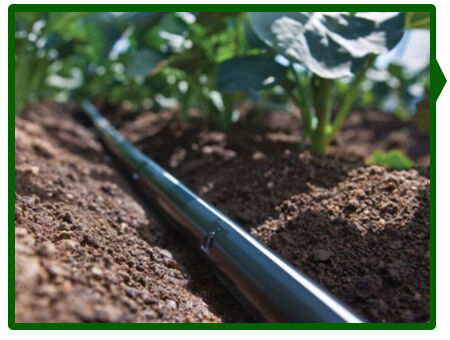
Designing a cost-effective drip irrigation system for farms requires careful planning that balances water efficiency, crop productivity, and budget constraints. Modern agricultural operations face increasing pressure to optimize water use while maintaining profitability, making drip irrigation an essential technology for sustainable farming. A well-designed drip irrigation system delivers water directly to plant roots, minimizing waste and reducing operational costs by up to 60% compared to traditional irrigation methods. This guide walks you through the critical design considerations, component selection strategies, and practical implementation steps that enable farmers to build efficient irrigation infrastructure without excessive capital investment.
The foundation of cost-effective design lies in understanding your specific field conditions, crop requirements, and available water resources before purchasing any equipment. Too many farmers invest in oversized systems or inappropriate components that increase both initial costs and ongoing maintenance expenses. By following a structured design methodology that prioritizes essential functionality over unnecessary features, you can create a drip irrigation system that delivers excellent performance at a fraction of the cost of poorly planned installations. This approach requires analyzing soil characteristics, calculating precise water requirements, selecting appropriate emitter types, and configuring distribution networks that match your field layout and topography.
Understanding System Requirements and Site Assessment
Conducting Comprehensive Soil and Water Analysis
Before designing any drip irrigation system, conducting thorough soil testing establishes the baseline parameters that determine emitter spacing, flow rates, and system pressure requirements. Soil texture directly influences water infiltration rates and lateral movement patterns, which affect how far water spreads from each emitter point. Sandy soils require closer emitter spacing because water moves vertically with minimal horizontal spread, while clay soils allow greater spacing due to improved lateral water distribution. Testing should measure soil texture, infiltration rate, salinity levels, and pH to ensure your drip irrigation system design accounts for these critical variables that impact both system performance and crop health.
Water quality analysis is equally important because it determines filtration requirements and potential clogging risks that can dramatically increase maintenance costs over time. High mineral content, biological contaminants, or suspended particles necessitate more robust filtration systems that add to initial investment but prevent costly emitter replacements and system failures. Laboratory testing should evaluate total dissolved solids, pH levels, iron and manganese concentrations, bacterial populations, and suspended sediment levels. This data guides filter selection and helps you determine whether water treatment is necessary before distribution through your drip irrigation system, potentially saving thousands in preventable maintenance expenses.
Calculating Crop Water Requirements and System Capacity
Accurate calculation of crop evapotranspiration rates forms the foundation for sizing your drip irrigation system appropriately without over-investment in excessive capacity. Different crops have varying water demands throughout their growth cycles, and designing for peak demand periods ensures adequate supply during critical stages while avoiding unnecessary oversizing. Use regional evapotranspiration data combined with crop coefficients specific to your plants to determine daily water requirements per hectare. This calculation directly determines the required system flow rate, pump capacity, and total emitter output needed to meet crop needs efficiently.
System capacity planning must also account for irrigation scheduling flexibility and operational constraints that affect how you deliver water throughout the day. If labor availability or electricity costs limit irrigation to specific time windows, your drip irrigation system must deliver the full daily water requirement within those constraints. This may require higher flow rates and more simultaneous operating zones, impacting pipe sizing and pump selection. Conversely, systems with 24-hour operational flexibility can use lower flow rates with smaller, less expensive components. Balancing these factors ensures you invest in adequate capacity without paying for unnecessary oversizing that provides no practical benefit.
Mapping Field Layout and Topographical Considerations
Creating detailed field maps that document dimensions, topography, water source locations, and crop arrangement patterns enables precise material quantification and optimal zone configuration. Accurate measurements prevent costly material shortages or excess inventory while ensuring proper hydraulic design. Document row spacing, field shape irregularities, elevation changes, and obstacle locations that affect pipe routing and valve placement. This mapping process also identifies opportunities to minimize pipe runs and reduce material costs by strategically positioning main lines and control valves based on actual field geometry rather than generic layouts.
Topographical analysis reveals pressure variation challenges that significantly impact drip irrigation system performance and component selection. Elevation differences create pressure variations that can cause uneven water distribution, with higher areas receiving insufficient flow while lower areas experience excessive discharge. Fields with more than three meters of elevation change typically require pressure compensating emitters or zone-specific pressure regulation to maintain uniform application. Understanding these topographical constraints during the design phase allows you to select appropriate components and configure zones that maintain consistent performance across the entire field, avoiding expensive retrofits after installation.
Selecting Cost-Effective Components and Materials
Choosing Appropriate Emitter Types and Specifications
Emitter selection represents one of the most critical cost-performance decisions in drip irrigation system design, with options ranging from basic inline emitters to sophisticated pressure-compensating models. Non-pressure compensating emitters cost significantly less but work effectively in flat terrain with minimal elevation changes, making them ideal for budget-conscious installations on level fields. These emitters provide adequate uniformity when pressure variations remain within acceptable limits, typically less than 20% variation across the system. For farms with relatively flat topography growing crops tolerant of moderate application variation, standard emitters deliver satisfactory performance at the lowest possible cost.
Pressure-compensating emitters justify their higher cost in undulating terrain or where precise water control is essential for high-value crops. These emitters maintain consistent flow rates across a wide pressure range, ensuring uniform application regardless of field position or elevation. The additional investment typically pays for itself through improved crop uniformity and yield consistency in challenging topography. When designing your drip irrigation system, calculate the pressure variation across your field and compare the cost difference between emitter types against the expected yield improvement. In many cases, using pressure-compensating emitters only in zones with significant elevation change while using standard emitters elsewhere provides optimal cost-effectiveness.
Optimizing Pipe Network Design and Sizing
Proper pipe sizing balances initial material costs against energy expenses, as undersized pipes increase friction losses and require larger, more expensive pumps with higher operating costs. Mainline and submain pipes should be sized to maintain velocities between 0.5 and 2.0 meters per second, which minimizes friction while preventing excessive pipe costs. Using hydraulic calculation software or standard design tables helps determine optimal pipe diameters that achieve this balance. Many cost-conscious designs make the mistake of undersizing pipes to save on material costs, only to face permanently elevated pumping expenses that far exceed the initial savings over the system's lifespan.
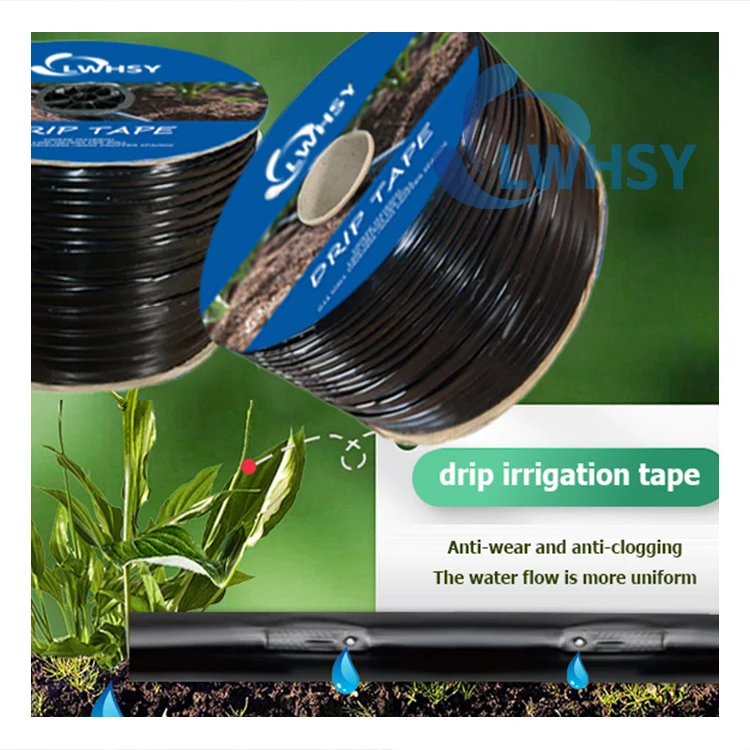
Lateral line selection for your drip irrigation system should prioritize durability and appropriate wall thickness over minimal upfront costs, as premature lateral failure creates expensive replacement scenarios. Thin-walled drip tape costs less initially but may require replacement every 2-3 seasons, while thicker-walled drip line lasts 5-10 years or more. Calculate the annualized cost including replacement labor and disposal when comparing options. For permanent crops or fields where annual removal isn't practical, investing in durable laterals dramatically reduces long-term costs. Additionally, selecting appropriate lateral diameters based on run length and emitter spacing prevents excessive friction losses that would require pressure-compensating emitters or zone subdivision to maintain uniformity.
Determining Filtration and Control Equipment Needs
Filtration system selection must match your specific water quality conditions without over-engineering, as excessive filtration capacity wastes money while inadequate filtering causes system failure. Screen filters work effectively for clean water sources with minimal organic matter, providing the most economical solution for well water or treated municipal supplies. Disc filters handle moderate sediment loads at reasonable cost and offer excellent cleaning convenience. Media filters become necessary for surface water sources with high organic content or biological contaminants, representing a larger investment justified only when water quality demands this level of treatment for reliable drip irrigation system operation.
Control valve selection and automation level directly impact both initial investment and ongoing labor costs, requiring careful evaluation of your operational scale and labor availability. Manual valves cost least but require constant labor presence for irrigation management, making them practical only for small operations with dedicated staff. Automated controllers with solenoid valves increase upfront costs but dramatically reduce labor requirements and enable precise irrigation scheduling that improves water efficiency. For most commercial farms, semi-automated systems with zone control valves and basic timers provide optimal cost-effectiveness, delivering most automation benefits at moderate investment levels. The key is matching control sophistication to your actual operational needs rather than installing expensive automation that provides no practical benefit for your specific situation.
Implementing Hydraulic Design and Pressure Management
Calculating System Pressure Requirements
Accurate pressure requirement calculations ensure you select appropriately sized pumps and pressure regulation equipment without over-investment in excessive capacity. Total system pressure requirements include emitter operating pressure, friction losses through pipes and fittings, elevation differences, and filter pressure drop. Starting with manufacturer-specified emitter operating pressures, typically between 50-150 kPa for standard drip irrigation system components, add calculated friction losses based on pipe lengths, diameters, and flow rates using standard hydraulic formulas or design software. This systematic approach prevents both undersizing that causes poor performance and oversizing that wastes money on unnecessary pump capacity.
Elevation differences significantly impact required pump pressure, with each meter of elevation requiring approximately 10 kPa of additional pressure to overcome gravitational forces. Fields with substantial elevation gain from water source to highest irrigation point need correspondingly larger pumps, while downhill systems may require pressure reduction to prevent emitter damage and excessive flow rates. Creating a detailed pressure budget that accounts for all system components allows precise pump selection that meets requirements without paying for unneeded capacity. Many farmers waste money on oversized pumps recommended by suppliers who don't perform detailed calculations, resulting in permanently higher energy costs and unnecessary capital expense.
Designing Efficient Zone Configuration
Zone configuration dramatically affects both system cost and operational efficiency by determining how much area operates simultaneously and how components are sized. Designing multiple smaller zones rather than operating the entire field at once reduces peak flow requirements, allowing smaller mainline pipes, reduced pump capacity, and lower filtration system investment. However, more zones increase valve costs and irrigation duration, requiring careful balance. Calculate total daily water requirements and divide by available irrigation hours to determine necessary system capacity, then configure zones that match this capacity while minimizing component costs and maintaining hydraulic efficiency across your drip irrigation system layout.
Hydraulic balancing between zones ensures consistent performance without expensive pressure compensating components throughout the entire system. Group areas with similar elevation, crop type, and soil characteristics into common zones to maintain uniform water application. Zones with significantly different characteristics require separate pressure regulation or emitter specifications, increasing costs but preventing water waste and crop stress from poor uniformity. Smart zone design can eliminate the need for pressure-compensating emitters in many installations by keeping pressure variations within acceptable ranges through thoughtful grouping, substantially reducing overall drip irrigation system costs without sacrificing performance.
Selecting and Sizing Pump Systems
Pump selection requires matching flow rate and pressure requirements to available power sources and budget constraints while prioritizing energy efficiency for long-term cost control. Calculate required flow rate by multiplying emitter output by total number of emitters operating simultaneously, then add 10-15% for system leakage and future expansion. Match this flow rate with total pressure requirements calculated earlier to determine pump specifications. Compare centrifugal pumps, submersible pumps, and turbine pumps based on your water source type, required lift, and available power, selecting the most efficient option that meets performance requirements at reasonable initial cost.
Energy efficiency considerations often justify spending more on higher-efficiency pumps when calculating lifetime operating costs for your drip irrigation system. A pump operating 1000 hours annually with 10% better efficiency can save substantial electricity costs that recover the additional investment within 2-3 years. Variable frequency drives add initial cost but provide excellent returns in systems with varying flow requirements or multiple zone operations by adjusting motor speed to actual demand rather than wasting energy with throttling valves. For large installations, performing detailed lifecycle cost analysis comparing different pump options and efficiency levels ensures optimal long-term value rather than simply selecting the cheapest initial purchase price.
Practical Installation Strategies and Cost Control
Phased Implementation Approaches
Phased installation allows farmers to spread costs over multiple seasons while learning system operation and refining designs based on actual performance before full field conversion. Start with a representative section that includes varied topography and crop types to test your drip irrigation system design under real conditions. This approach identifies design issues, component performance, and operational challenges with minimal investment, allowing adjustments before scaling up. Initial phase installations also generate immediate water savings and yield improvements that can fund subsequent expansion, reducing financing needs and financial risk associated with large-scale conversion projects.
Strategic phasing prioritizes high-value crops or water-stressed areas where drip irrigation provides maximum economic return, ensuring best return on initial investment. Calculate expected water savings, yield improvements, and labor reductions for different field sections to identify priority areas. Installing drip irrigation first where benefits are greatest generates positive cash flow that supports continued expansion while demonstrating value to stakeholders who may be skeptical of the technology. This measured approach also allows equipment purchases to coincide with favorable pricing or seasonal discounts, further reducing costs compared to rushed full-scale installations driven by arbitrary timelines rather than strategic planning.
Labor and Installation Cost Management
Installation labor represents a significant portion of total drip irrigation system costs, making careful planning and potential owner-involvement crucial for budget control. Many system components allow farm staff installation with minimal specialized skills, particularly lateral placement, valve assembly, and basic plumbing connections. Reserve professional contractors for complex tasks like pump installation, electrical work, and mainline trenching that require specialized equipment or expertise. This hybrid approach dramatically reduces installation costs while ensuring critical components receive proper installation. Detailed installation planning that sequences work efficiently and pre-assembles components also minimizes labor hours and associated costs.
Bulk material purchasing and coordinated installation scheduling provide additional cost savings opportunities often overlooked in drip irrigation system projects. Ordering complete system materials simultaneously often qualifies for volume discounts and reduced shipping costs compared to piecemeal purchases. Coordinating installation during slower farm periods when labor is available prevents premium rates for rushed work during peak seasons. Additionally, negotiating with suppliers for package pricing that includes materials and technical support often yields better value than separate component purchases. These procurement strategies can reduce total system costs by 10-20% without compromising quality or performance.
Quality Control and Testing Procedures
Systematic testing and quality verification during installation prevents costly problems that become expensive to fix after system burial and field establishment. Pressure testing all mainline and submain sections before covering ensures leak-free operation and identifies connection problems while repairs remain simple and inexpensive. Verifying emitter flow rates and uniformity before full operation confirms proper system design and component function. Testing procedures should include pressure measurements at multiple field locations, emitter output verification across representative lateral sections, and filter performance evaluation under actual operating conditions. These quality checks ensure your drip irrigation system performs as designed before crops depend on it for irrigation.
Establishing baseline performance metrics during initial operation provides reference points for ongoing system maintenance and performance monitoring. Document operating pressures, flow rates, filter pressure drops, and power consumption when the system is new and functioning optimally. These measurements enable early detection of performance degradation, clogging issues, or component wear that could cause crop stress or water waste if unaddressed. Simple monitoring procedures performed monthly during irrigation season catch problems early when repairs are inexpensive rather than waiting for system failure during critical crop stages. This proactive approach to quality control maximizes system lifespan and return on investment while minimizing unexpected repair costs.
Maintenance Planning and Long-Term Cost Optimization
Developing Preventive Maintenance Programs
Structured preventive maintenance programs dramatically reduce long-term operating costs by preventing major failures that require expensive emergency repairs or crop losses. Regular filter cleaning, emitter inspection, valve servicing, and system flushing extend component life and maintain optimal drip irrigation system performance. Establish maintenance schedules based on manufacturer recommendations and your specific operating conditions, with more frequent attention for challenging water quality or intensive use patterns. Seasonal maintenance before and after irrigation periods should include comprehensive system inspection, controller verification, and replacement of worn components before failure occurs.
Emitter maintenance and flushing protocols prevent clogging that reduces uniformity and forces premature lateral replacement. End-of-line flushing removes sediment accumulation and verifies that all laterals maintain proper flow. Chemical treatment for mineral deposits or biological growth may be necessary with poor water quality, but proper filtration often eliminates these requirements and associated costs. Monitoring emitter performance through periodic flow checks identifies clogging trends before they significantly impact crops, allowing timely intervention. This systematic approach to maintenance preserves your initial investment and prevents the 30-50% performance degradation common in poorly maintained systems.
Monitoring and Performance Optimization
Regular performance monitoring identifies opportunities to optimize water use, reduce energy consumption, and improve crop response, often recovering system costs through efficiency gains. Simple measurements of operating pressure, flow rates, and power consumption reveal efficiency changes over time. Comparing actual performance against design specifications helps identify problems like clogged filters, worn pumps, or lateral damage. Soil moisture monitoring with inexpensive sensors or manual checking guides irrigation scheduling adjustments that prevent over-watering while ensuring adequate supply, optimizing both water use and crop productivity from your drip irrigation system investment.
Crop response observation provides valuable feedback for system refinement and scheduling optimization that enhances economic returns. Monitor plant vigor, growth uniformity, and yield patterns across irrigation zones to identify areas receiving suboptimal water. Variations in crop performance often indicate irrigation uniformity issues correctable through emitter cleaning, pressure adjustment, or zone reconfiguration. This feedback loop between irrigation performance and crop response enables continuous improvement that maximizes the value of your drip irrigation installation. Farmers who actively monitor and adjust their systems based on crop feedback typically achieve 15-25% better water productivity than those using fixed schedules without performance evaluation.
Record Keeping and System Documentation
Comprehensive system documentation and maintenance records support long-term cost control by enabling informed decisions about repairs, upgrades, and replacement timing. Maintain detailed records of installation specifications, component locations, maintenance activities, and operating parameters. This documentation proves invaluable when troubleshooting problems, planning expansions, or training new staff. Digital photos of installation details, valve locations, and system configuration provide quick reference that saves time during repairs. Well-documented systems also facilitate more accurate maintenance budgeting and component lifecycle planning that prevents unexpected expenses.
Performance and cost tracking quantifies actual system benefits and return on investment while identifying optimization opportunities. Record water usage, energy consumption, labor hours, crop yields, and maintenance costs for comparison against pre-installation baselines. This data demonstrates the economic value of your drip irrigation system to farm management and potential lenders while guiding decisions about expansion or technology upgrades. Farms that maintain detailed records typically identify cost-saving opportunities worth 5-10% of annual operating expenses through pattern recognition and informed decision-making impossible without systematic data collection.
FAQ
What is the typical cost per hectare for installing a basic drip irrigation system on a farm?
Basic drip irrigation system costs typically range from $1,500 to $3,500 per hectare depending on field conditions, crop type, and component quality. Systems for row crops with simple layouts and minimal elevation changes cost less, while permanent crops requiring longer-lasting materials or challenging topography requiring pressure-compensating emitters increase costs. This range includes laterals, mainline piping, filtration, valves, and basic controls but excludes pump systems and water source development. Material costs represent 60-70% of total installation expense, with labor accounting for the remainder. Selecting appropriate components matched to specific needs rather than over-engineering allows cost-conscious farmers to achieve reliable performance at the lower end of this range.
How long does a well-designed drip irrigation system typically last before requiring major replacement?
A properly designed and maintained drip irrigation system provides 8-15 years of service for permanent installations using quality components, though lateral drip lines typically require replacement every 3-8 years depending on wall thickness and crop management practices. Mainline pipes, valves, and filtration equipment usually last 15-20 years with appropriate maintenance. Thin-walled drip tape used for annual crops may be replaced each season, while thick-walled drip line for permanent crops can last a decade with proper care. System lifespan directly correlates with water quality management, maintenance consistency, and component quality. Investing in adequate filtration and regular maintenance extends component life significantly, often doubling the service period compared to neglected systems and providing superior long-term cost-effectiveness.
Can a drip irrigation system be cost-effective for small farms under 5 hectares?
Drip irrigation systems deliver excellent cost-effectiveness for small farms when designed appropriately for scale and crop value. Small installations benefit from reduced material requirements and simpler designs while achieving proportionally greater water savings because hand-watering or small sprinkler systems are typically very inefficient. High-value crops like vegetables, fruits, or specialty products generate returns that justify investment on minimal acreage. Key cost-control strategies for small farms include phased installation, owner-performed labor, simplified automation, and right-sized components without unnecessary features. Many small farms recover drip irrigation investment within 2-3 seasons through water savings, reduced labor, and improved yields. The technology scales down effectively when properly designed, making it economically viable for operations of any size producing crops where water efficiency and quality matter.
What are the most common design mistakes that increase drip irrigation system costs unnecessarily?
The most costly design mistakes include oversizing pumps and mainline pipes beyond actual requirements, which increases both initial investment and ongoing energy costs without performance benefits. Installing pressure-compensating emitters throughout entire systems when only certain zones need them wastes money on unnecessary technology. Inadequate filtration causes premature emitter clogging and expensive lateral replacement, while excessive filtration capacity wastes money on unnecessary equipment. Poor zone configuration that ignores topography and crop grouping forces use of expensive components to compensate for design flaws. Insufficient site assessment leads to inappropriate component selection and field layout problems discovered only after installation. These mistakes typically add 25-40% to system costs while often reducing performance, emphasizing the value of thorough planning and design before purchasing components.
Table of Contents
- Understanding System Requirements and Site Assessment
- Selecting Cost-Effective Components and Materials
- Implementing Hydraulic Design and Pressure Management
- Practical Installation Strategies and Cost Control
- Maintenance Planning and Long-Term Cost Optimization
-
FAQ
- What is the typical cost per hectare for installing a basic drip irrigation system on a farm?
- How long does a well-designed drip irrigation system typically last before requiring major replacement?
- Can a drip irrigation system be cost-effective for small farms under 5 hectares?
- What are the most common design mistakes that increase drip irrigation system costs unnecessarily?