
 EN
EN
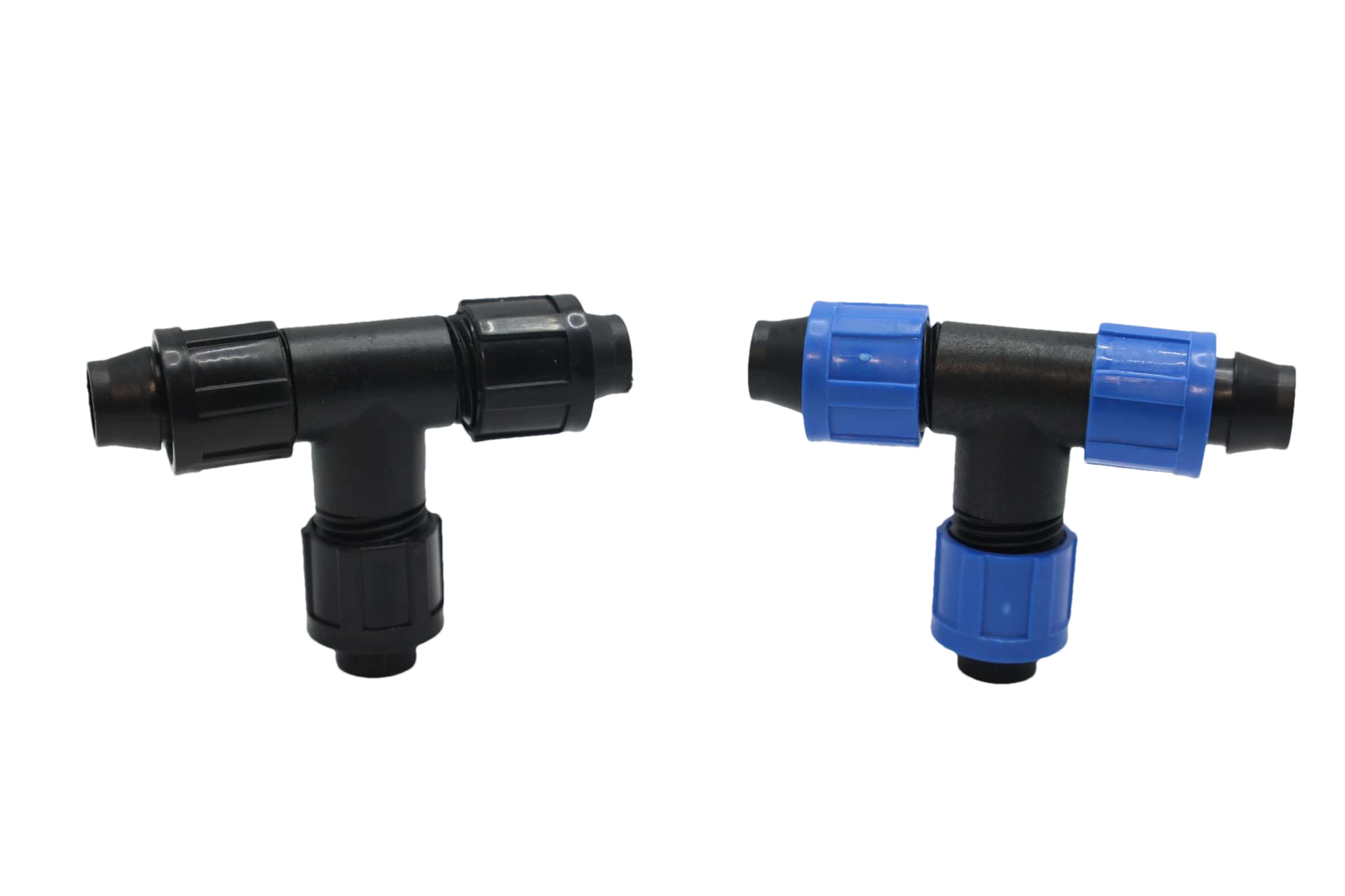
Installing an AK Type Bypass Valve in your irrigation system is a critical task that ensures proper pressure regulation, protects downstream components, and maintains consistent water flow throughout your agricultural operation. This specialized valve serves as a pressure relief mechanism that automatically diverts excess water back to the main line or reservoir when system pressure exceeds preset thresholds, preventing damage to drip lines, sprinklers, and filtration equipment. Whether you are setting up a new drip irrigation network or upgrading an existing system, understanding the correct installation procedure for the AK Type Bypass Valve will help you achieve optimal hydraulic performance and extend the operational lifespan of your entire irrigation infrastructure.
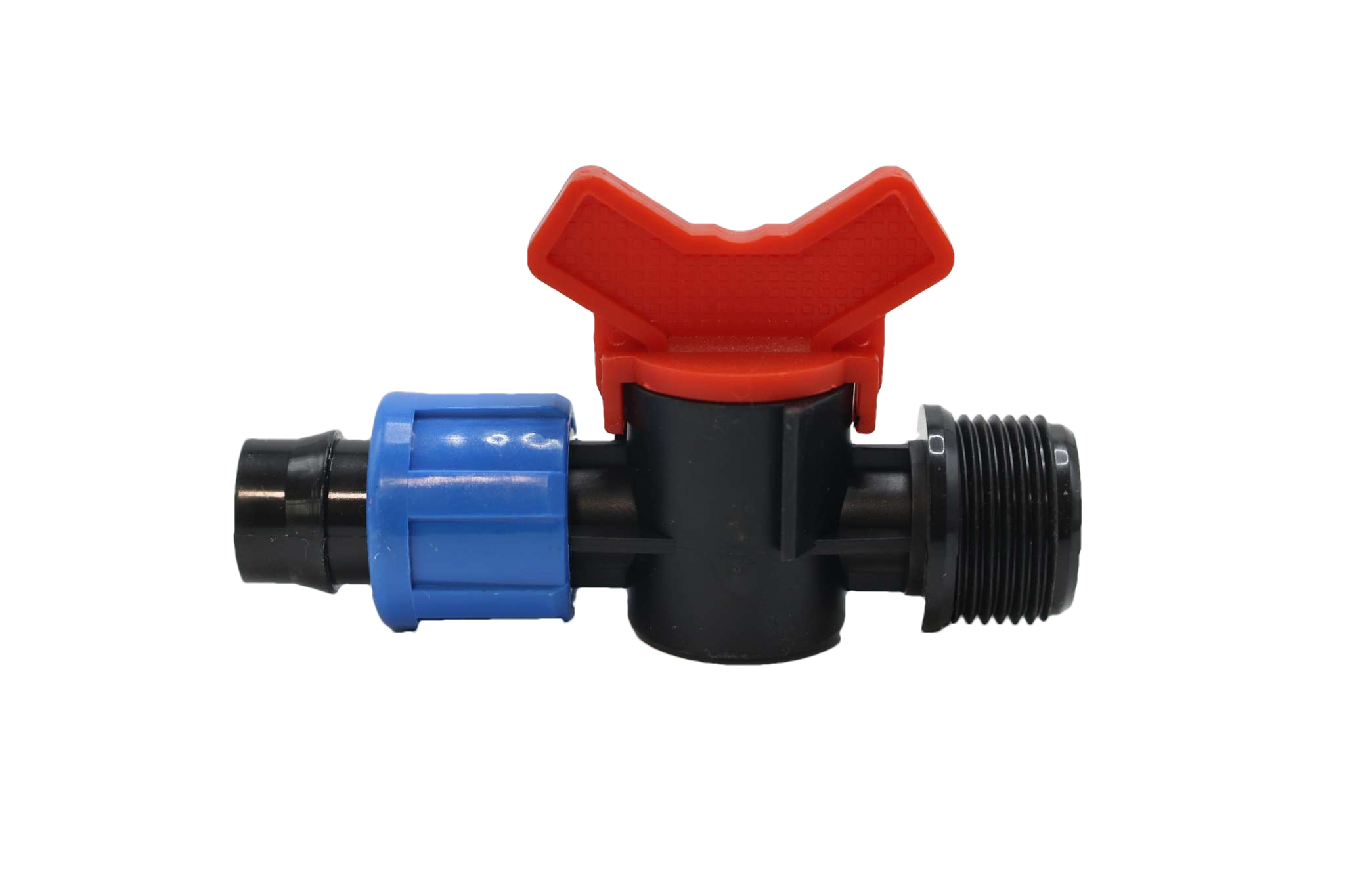
The installation process requires careful attention to valve orientation, connection torque, and system positioning to ensure the AK Type Bypass Valve functions correctly under varying field conditions. Unlike standard gate or ball valves, this bypass valve incorporates a spring-loaded diaphragm mechanism that responds dynamically to pressure changes, making proper installation essential for reliable automatic operation. This comprehensive guide walks you through every step of the installation process, from site preparation and component identification to final testing and adjustment, providing practical insights drawn from real-world agricultural applications across diverse irrigation environments.
Preparing Your Irrigation System for Valve Installation
Assessing System Pressure Requirements and Valve Specifications
Before beginning the physical installation of your AK Type Bypass Valve, you must thoroughly evaluate your irrigation system's operating pressure range and flow characteristics. The AK Type Bypass Valve is designed to activate at specific pressure thresholds, typically ranging from 1.5 to 4.0 bar depending on the model and spring configuration. Measure your system's normal operating pressure using a calibrated pressure gauge at multiple points along the main line, paying particular attention to pressure fluctuations during pump startup and when irrigation zones cycle on and off. This baseline data helps you select the correct valve model and preset adjustment that matches your system's hydraulic profile.
Examine the technical specifications stamped on your AK Type Bypass Valve body, which include inlet and outlet port sizes, maximum flow capacity, and cracking pressure settings. Most agricultural installations use valves with threaded connections ranging from three-quarter inch to two inches in diameter, though larger commercial systems may require flanged connections. Verify that your valve's flow capacity exceeds the maximum bypass flow your system could generate under worst-case scenarios, such as when all irrigation zones are simultaneously closed or when a sudden pump surge occurs. Undersized bypass valves create dangerous backpressure conditions that can rupture pipes and damage pumps.
Gathering Necessary Tools and Installation Components
A successful AK Type Bypass Valve installation requires assembling the proper tools and supporting materials before you begin field work. Essential tools include adjustable pipe wrenches sized appropriately for your valve connections, thread seal tape rated for high-pressure water applications, a torque wrench for precise tightening of critical connections, and a pressure gauge with a range covering your system's operating parameters. You will also need pipe cutting equipment if modifications to existing lines are necessary, along with deburring tools to ensure smooth pipe edges that won't damage valve seals.
In addition to the AK Type Bypass Valve itself, gather all necessary fittings, adapters, and supplementary valves required for your specific installation configuration. Common supporting components include inlet and outlet ball valves for isolation during maintenance, pressure gauges mounted immediately upstream and downstream of the bypass valve for monitoring performance, pipe unions or flanges that allow valve removal without disturbing adjacent piping, and appropriate pipe sections or flexible hoses for creating the bypass return line. Having these materials staged and ready eliminates installation delays and reduces the risk of compromising connections due to improvised solutions.
Shutting Down and Draining the System Safely
Proper system shutdown is a non-negotiable safety requirement before installing your AK Type Bypass Valve. Begin by turning off all pumps and closing the main supply valve to isolate the section where you will work. Open downstream drain valves and low-point drains to remove standing water from the pipes, reducing weight and preventing water spillage when you cut into the line. Verify zero pressure by checking gauges and slightly loosening a connection point while wearing appropriate safety equipment. Residual pressure in irrigation lines can cause sudden valve or fitting ejection, creating serious injury risks.
After confirming zero pressure, identify the optimal location for your AK Type Bypass Valve installation. The valve should be positioned on the main supply line downstream of the pump and filtration equipment but upstream of your primary irrigation distribution manifold. This placement allows the bypass valve to protect the entire downstream system while preventing filtered debris from accumulating in the valve mechanism. The installation point should provide adequate clearance above and around the valve for future maintenance access, with the bypass return line routed back to your reservoir, settling pond, or a dedicated bypass discharge point that won't cause erosion or flooding.
Installing the AK Type Bypass Valve in the Main Line
Cutting and Preparing Pipe Connections
With your system safely depressurized and drained, mark the precise cutting points on your main supply line where the AK Type Bypass Valve will be inserted. Measure the valve's end-to-end length including any unions or adapters you plan to use, then add appropriate spacing for pipe insertion depth into fittings. Use a pipe cutter or hacksaw to make clean, perpendicular cuts at the marked locations, avoiding angled cuts that create uneven sealing surfaces and potential leak points. After cutting, thoroughly deburr both the inside and outside edges of the pipe using a deburring tool or fine file, removing any plastic shavings or metal burrs that could damage the AK Type Bypass Valve's internal seals.
Clean the pipe ends with a dry cloth to remove dirt, moisture, and debris that could compromise thread seal integrity. If working with PVC or polyethylene pipe, inspect the cut ends for cracks, stress marks, or deformation that might have occurred during cutting. Damaged pipe sections should be replaced rather than used for valve connections. For threaded connections, apply high-quality thread seal tape to male threads in a clockwise direction when viewing the pipe end, using three to four wraps that cover the threads completely without bunching or leaving gaps. Avoid using excessive tape that could enter the valve body and interfere with the bypass mechanism.
Orienting and Connecting the Bypass Valve
Proper orientation is critical for AK Type Bypass Valve operation. The valve body typically features directional arrows stamped or molded into the housing that indicate the required flow direction from inlet to outlet. Position the valve so these arrows align with your system's water flow direction, ensuring the spring-loaded mechanism faces the correct pressure differential. Some AK Type Bypass Valve models include a transparent or translucent top cover that allows visual inspection of the diaphragm position, which should be oriented upward for easy monitoring and maintenance access.
Thread the valve onto the prepared pipe connections, initially hand-tightening to ensure proper thread engagement without cross-threading. Once hand-tight, use pipe wrenches to achieve final tightening, applying force to the valve's wrench flats rather than delicate components like the adjustment knob or cover. For plastic-bodied valves common in drip irrigation applications, limit torque to manufacturer specifications to avoid cracking the housing. Metal-bodied valves used in high-pressure systems can withstand greater installation torque but still require controlled tightening to prevent thread stripping. Install a valve union or flange connection on at least one side of the AK Type Bypass Valve to enable future removal without cutting pipes.
Creating the Bypass Return Line Connection
The bypass port on your AK Type Bypass Valve requires a dedicated return line that safely conveys diverted water back to your source reservoir or discharge point. Size this bypass line to match or slightly exceed the valve's bypass port diameter, ensuring unrestricted flow when the valve opens under high-pressure conditions. Route the bypass line with a continuous downward slope to prevent air pocket formation that could impede valve operation. Avoid sharp bends, kinks, or restrictions that increase backpressure and prevent the bypass valve from opening at its intended setpoint.
Terminate the bypass return line at a location that prevents recirculation issues and erosion problems. When returning water to a reservoir or tank, position the discharge point below the water surface to minimize turbulence and aeration, but above the bottom to avoid stirring settled sediment. Include a check valve in the bypass line if there is any possibility of reverse flow back through the AK Type Bypass Valve during system shutdown. Secure the bypass line with appropriate supports and clamps every few feet to prevent sagging, vibration, or movement that could stress connections and cause leaks over time.
Adjusting and Testing Valve Performance
Setting the Initial Pressure Threshold
Most AK Type Bypass Valve models feature an adjustable pressure setpoint controlled by a threaded adjustment screw or knob on the valve cover. This adjustment changes the spring tension acting on the diaphragm, determining the pressure level at which the valve begins to open and bypass water. Consult your valve's technical documentation to understand the adjustment mechanism and the pressure range it can control. Some valves use a graduated scale on the adjustment knob, while others require trial-and-error testing to achieve desired performance.
Begin with a conservative initial setting slightly above your system's normal operating pressure. For example, if your irrigation system typically operates at 2.0 bar during normal conditions, set the AK Type Bypass Valve to open at approximately 2.3 to 2.5 bar. This margin prevents nuisance opening during normal pressure fluctuations while still providing protection against dangerous pressure spikes. Make adjustment changes in small increments, typically no more than one-quarter turn at a time, as small changes in spring compression can significantly affect opening pressure. Record your initial adjustment position to establish a baseline for future fine-tuning.
Conducting Pressure Testing and Flow Verification
With the AK Type Bypass Valve installed and initially adjusted, restore water pressure to your system gradually while monitoring pressure gauges and watching for leaks at all new connections. Start your pump and allow the system to reach normal operating pressure with at least one irrigation zone open to provide flow. Observe the AK Type Bypass Valve during this startup phase to verify it remains closed under normal conditions. Check all threaded connections, unions, and the bypass return line for any signs of water seepage, tightening as necessary while the system is under pressure.
To verify proper bypass valve operation, create a controlled high-pressure condition by gradually closing downstream valves while monitoring upstream pressure. As system pressure rises and approaches your AK Type Bypass Valve setpoint, you should observe water beginning to flow from the bypass return line. The valve should open smoothly and progressively increase bypass flow as pressure continues to rise, preventing pressure from exceeding your target threshold by more than 0.2 to 0.3 bar. If the valve fails to open at the expected pressure, or if it opens too early, make adjustment corrections and repeat the testing procedure until performance matches your system requirements.
Fine-Tuning for Optimal System Protection
After confirming basic functionality, refine your AK Type Bypass Valve settings through operational testing under various system conditions. Run your irrigation system through typical operating cycles, including zone transitions, multiple zone simultaneous operation, and system shutdown sequences. Monitor pressure behavior during these transitions, noting any pressure spikes that exceed safe limits or any situations where the bypass valve activates unnecessarily during normal operation. Adjust the valve's pressure setpoint incrementally to eliminate unwanted activation while ensuring it reliably protects against dangerous pressure levels.
Document your final AK Type Bypass Valve settings, including the adjustment position, observed opening pressure, bypass flow characteristics, and any system-specific notes about installation configuration. This documentation serves as a valuable reference for seasonal maintenance, troubleshooting, and training of additional personnel who may work with your irrigation system. Consider installing a second AK Type Bypass Valve in parallel for redundancy in critical applications where system downtime or equipment damage would have severe consequences, setting the secondary valve to activate at a slightly higher pressure threshold as a backup safety mechanism.
Integrating Control Components and Monitoring Equipment
Installing Pressure Gauges for Performance Monitoring
Effective monitoring of your AK Type Bypass Valve requires strategically positioned pressure gauges that provide real-time visibility into system hydraulic conditions. Install a high-quality liquid-filled pressure gauge immediately upstream of the valve inlet to monitor incoming system pressure. This gauge should have a maximum range approximately double your system's maximum operating pressure to ensure needle deflection stays within the gauge's accurate measurement zone. Liquid-filled gauges resist vibration-induced needle flutter and provide more stable readings in field environments subjected to pump pulsation and water hammer effects.
Mount a second pressure gauge downstream of the AK Type Bypass Valve outlet to monitor protected system pressure. The pressure differential between upstream and downstream gauges during bypass operation indicates how effectively the valve is controlling pressure and protecting downstream components. If downstream pressure continues to rise significantly when the bypass valve is active, the valve may be undersized, improperly adjusted, or experiencing internal wear that prevents full opening. Regular comparison of these gauge readings helps identify developing problems before they cause system failures.
Adding Isolation Valves for Maintenance Access
Install manual ball valves or gate valves immediately upstream and downstream of your AK Type Bypass Valve to enable isolation during maintenance, inspection, or replacement activities. These isolation valves allow you to service the bypass valve without shutting down your entire irrigation system, minimizing operational disruption during the growing season. Size isolation valves to match your main line diameter to prevent flow restrictions and ensure they are fully open during normal operation to avoid creating pressure drops that could affect bypass valve performance.
Position isolation valves close enough to the AK Type Bypass Valve to minimize the volume of trapped water between them, but with sufficient spacing to allow wrench access to all connections. Consider installing drain ports or small ball valves between the isolation valves and bypass valve to facilitate complete drainage during maintenance. This configuration allows you to depressurize and drain the bypass valve section independently, making seal replacement, spring adjustment, or complete valve replacement faster and cleaner operations that can be performed without specialized equipment or extensive system downtime.
Configuring Bypass Return Line Controls
The bypass return line connected to your AK Type Bypass Valve benefits from additional control components that enhance system flexibility and monitoring capability. Install a flow indicator or flow meter in the bypass line to provide visual confirmation of valve operation and quantify how much water is being diverted during high-pressure conditions. This information helps you assess whether pressure problems are intermittent or continuous, and whether the bypass valve is handling expected or excessive flow volumes that might indicate broader system issues.
For automated irrigation systems with remote monitoring capability, consider adding a flow switch to the bypass line that triggers an alarm or notification when the AK Type Bypass Valve opens. This alert system notifies operators of abnormal pressure conditions that require investigation, such as closed valves, clogged filters, or pump control failures that could damage equipment if left uncorrected. The flow switch should be adjusted to activate only when sustained bypass flow occurs, filtering out brief pressure transients that cause momentary valve opening but don't indicate system problems requiring immediate attention.
Maintaining and Troubleshooting Your Installation
Establishing a Regular Maintenance Schedule
Long-term reliability of your AK Type Bypass Valve installation depends on implementing a proactive maintenance program that addresses wear, debris accumulation, and adjustment drift. Schedule monthly visual inspections during active irrigation seasons, checking for external leaks, unusual noise or vibration, and proper bypass line discharge during pressure testing. Examine pressure gauge readings and compare them to baseline values established during initial installation, investigating any significant changes that might indicate valve deterioration or system modifications affecting pressure characteristics.
Perform comprehensive maintenance at least annually or more frequently in systems with high sediment loads or aggressive water chemistry. This maintenance includes disassembling the AK Type Bypass Valve to inspect internal components, particularly the diaphragm seal, spring condition, and valve seat surfaces. Clean accumulated debris from internal chambers using clean water and a soft brush, avoiding solvents or abrasive materials that might damage elastomer components. Replace worn seals, springs showing permanent compression set, or any components with visible damage, corrosion, or degradation. Reassemble with careful attention to proper orientation and torque specifications, then retest pressure settings before returning the system to full operation.
Diagnosing Common Installation Problems
If your AK Type Bypass Valve fails to maintain proper system pressure after installation, systematically diagnose potential causes before making adjustments or modifications. A valve that opens at lower pressure than intended typically indicates excessive wear in spring components, incorrect initial adjustment, or debris preventing complete valve closure. Check for foreign material trapped under the diaphragm seal by disassembling the valve and inspecting sealing surfaces. Even small particles can prevent complete closure, causing premature bypass activation and pressure loss throughout your irrigation system.
Conversely, if the AK Type Bypass Valve fails to open when system pressure exceeds safe limits, verify that the bypass return line is not blocked, kinked, or restricted by debris, ice, or closed valves. A restricted bypass line creates backpressure that prevents the valve from opening even when internal pressure exceeds the setpoint. Remove the bypass line and verify the valve opens correctly when the outlet is unrestricted, then trace the bypass line to identify and eliminate any flow obstructions. Additionally, inspect the adjustment mechanism to ensure it has not been over-tightened beyond the valve's design range, which could prevent opening regardless of system pressure.
Addressing Water Quality and Compatibility Issues
Water quality characteristics significantly impact AK Type Bypass Valve longevity and performance. Systems using well water with high iron content or surface water with organic material may experience accelerated seal degradation and internal corrosion. If you notice frequent maintenance requirements or shortened service life, consider installing additional filtration upstream of the bypass valve or selecting valve models with materials specifically designed for aggressive water conditions. Some manufacturers offer AK Type Bypass Valve variants with stainless steel internal components and chemically resistant elastomer seals that withstand challenging water quality.
Freezing conditions present particular challenges for bypass valve installations in regions with cold winter temperatures. Water trapped in the valve body or bypass return line can freeze and crack components, requiring complete valve replacement. Implement proper winterization procedures by draining the AK Type Bypass Valve completely, removing the bottom cover to ensure no water remains trapped, and storing removable components indoors if possible. For systems requiring year-round operation in freezing climates, insulate the valve body and bypass line, or install the valve in a heated enclosure that maintains temperatures above freezing during cold periods.
FAQ
What is the primary function of an AK Type Bypass Valve in irrigation systems?
An AK Type Bypass Valve serves as an automatic pressure relief device that protects irrigation systems from dangerous pressure buildup by diverting excess water back to the source reservoir or discharge point when system pressure exceeds preset safe limits. Unlike manual relief valves, the AK Type Bypass Valve operates automatically through a spring-loaded diaphragm mechanism that responds to pressure changes without requiring operator intervention, making it essential for preventing pipe bursts, fitting failures, and pump damage in automated irrigation systems where pressure fluctuations occur during zone transitions or pump startup sequences.
How do I determine the correct pressure setting for my bypass valve?
The correct pressure setting for your AK Type Bypass Valve should be approximately 0.3 to 0.5 bar above your system's normal maximum operating pressure but well below the pressure rating of your weakest system component such as drip tape or thin-walled distribution tubing. Measure actual operating pressures during various system conditions using calibrated pressure gauges, then set the bypass valve to activate at a threshold that prevents nuisance opening during normal operation while providing protection against pressure spikes caused by closed valves, pump surges, or system malfunctions. Most agricultural drip systems operate between 1.5 and 3.0 bar, with bypass valves typically set between 2.0 and 3.5 bar depending on specific equipment pressure ratings.
Can I install multiple AK Type Bypass Valves in one irrigation system?
Yes, installing multiple AK Type Bypass Valves in a single irrigation system is appropriate for large or complex installations where different system zones operate at different pressures, or where redundant protection is desired for critical applications. In systems with multiple pump stations or pressure zones, install a dedicated bypass valve downstream of each pump to protect that specific section. For redundancy, install two valves in parallel with slightly different pressure setpoints so the primary valve handles normal pressure relief while the secondary valve provides backup protection if the primary valve fails or cannot handle excessive flow volume. Ensure each bypass valve has adequate flow capacity for its protection zone and that return lines discharge to appropriate locations without creating backflow or recirculation issues.
How often should I inspect and maintain the AK Type Bypass Valve?
Conduct visual inspections of your AK Type Bypass Valve installation monthly during active irrigation seasons, checking for leaks, proper bypass operation during pressure tests, and accurate pressure gauge readings compared to baseline values. Perform comprehensive internal maintenance annually in most agricultural applications, or semi-annually in systems with poor water quality, high sediment loads, or aggressive chemical injection programs. This internal maintenance involves disassembling the valve to inspect and clean the diaphragm, spring, valve seat, and internal chambers, replacing worn seals and springs as needed. Systems operating continuously or in critical applications should maintain spare parts inventory including complete diaphragm seal kits to minimize downtime during unplanned maintenance, and should document all maintenance activities to track component lifespan and identify patterns that might indicate broader system problems requiring attention.