
 EN
EN
Installing AK Type Bypass Valves in irrigation systems requires careful planning, proper component selection, and systematic execution to ensure optimal water flow management and system longevity. These specialized valves serve as critical control mechanisms that regulate pressure, manage excess flow, and protect irrigation infrastructure from hydraulic stress. Whether you're upgrading an existing agricultural irrigation network or designing a new installation from the ground up, understanding the installation methodology for AK Type Bypass Valves will significantly impact system performance, water efficiency, and operational reliability throughout the growing season.
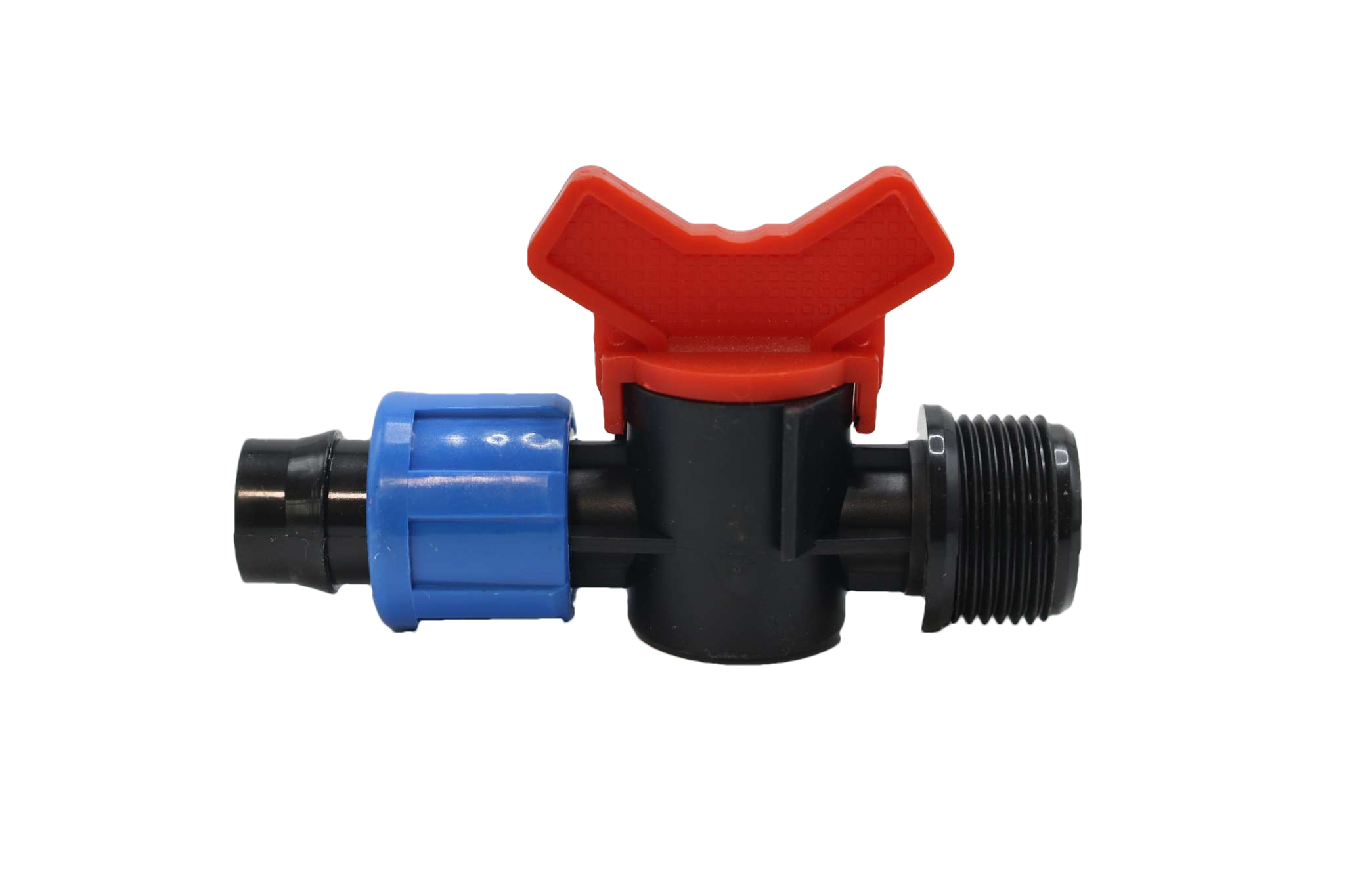
The installation process for AK Type Bypass Valves encompasses site evaluation, component preparation, strategic positioning, secure mounting, proper connection techniques, and comprehensive testing protocols. This guide provides a structured approach to implementing these valves within diverse irrigation configurations, from small-scale drip systems to expansive center pivot operations. By following proven installation procedures tailored specifically for AK Type Bypass Valves, irrigation managers can minimize installation errors, reduce maintenance requirements, and maximize the operational lifespan of both the valves and the broader irrigation infrastructure they protect.
Pre-Installation Assessment and System Analysis
Evaluating Existing Irrigation Infrastructure
Before installing AK Type Bypass Valves, conduct a thorough assessment of your current irrigation system configuration. Examine the main water supply line specifications, including pipe diameter, material composition, and operating pressure ranges. Document the flow rate requirements for your irrigation zones and identify areas where pressure fluctuations commonly occur. This baseline analysis determines the appropriate valve sizing and helps establish optimal installation locations where AK Type Bypass Valves will deliver maximum protective benefits.
Measure the static and dynamic pressure at proposed installation points using calibrated gauges during peak and off-peak irrigation periods. These measurements reveal pressure differentials that AK Type Bypass Valves must accommodate. Check for existing shutoff valves, filtration systems, and other hydraulic components that may influence valve placement. Understanding the complete system architecture prevents installation conflicts and ensures that bypass valves integrate seamlessly with existing infrastructure without creating unintended bottlenecks or dead zones.
Assess soil conditions and terrain characteristics around potential installation sites. The ground stability affects mounting security, while terrain slope influences water flow dynamics. Consider accessibility requirements for future maintenance operations, ensuring that AK Type Bypass Valves remain reachable for inspection, adjustment, and servicing. Document underground utility locations, including electrical conduits and communication lines, to avoid accidental damage during excavation and installation work.
Selecting Appropriate Valve Specifications
Choose AK Type Bypass Valves with specifications that match your irrigation system's hydraulic parameters. Review manufacturer data sheets to verify flow capacity, pressure rating, connection types, and material compatibility with your water chemistry. The valve body material should resist corrosion from fertilizers, pesticides, and mineral-laden water commonly found in agricultural applications. Verify that temperature ratings accommodate your regional climate extremes, from winter freezing conditions to summer heat exposure.
Calculate the required flow coefficient based on your system's maximum discharge rate and acceptable pressure drop. AK Type Bypass Valves must handle peak flow conditions without creating excessive resistance that compromises irrigation uniformity. Consider future expansion plans when sizing valves, allowing for increased capacity without requiring complete replacement. Select connection configurations that match existing pipe thread standards or prepare appropriate adapters to ensure leak-free integration.
Evaluate optional features such as pressure adjustment mechanisms, visual flow indicators, and integrated filtration screens. Advanced AK Type Bypass Valves may include calibration markings that simplify pressure regulation during seasonal adjustments. Review warranty terms and replacement part availability to support long-term operational continuity. Procurement decisions should balance initial investment against lifecycle costs, recognizing that quality components reduce maintenance expenses and system downtime over decades of service.
Installation Preparation and Component Assembly
Gathering Required Tools and Materials
Assemble a comprehensive toolkit before beginning AK Type Bypass Valves installation work. Essential items include pipe wrenches in multiple sizes, adjustable wrenches, thread sealant tape specifically rated for irrigation applications, and pipe cutting tools appropriate for your system's pipe material. Collect measurement instruments such as tape measures, levels, and pressure gauges to ensure precise positioning and alignment. Prepare safety equipment including gloves, eye protection, and appropriate footwear for working in agricultural environments.
Organize all valve components, fittings, adapters, mounting brackets, and fasteners before installation begins. Inspect each component for shipping damage, manufacturing defects, or contamination that could compromise performance. Clean threaded connections and sealing surfaces thoroughly to remove protective coatings, debris, or moisture that interferes with proper sealing. Verify that gaskets, O-rings, and sealing washers match the valve specifications and remain pliable without cracks or deterioration.
Prepare installation-specific materials including pipe support brackets, concrete anchoring systems, or valve boxes for below-grade installations. Gather excavation tools if trenching is required to access existing pipelines. Stock replacement pipe sections, couplings, and repair clamps in case unexpected modifications become necessary during installation. Having comprehensive materials on-site prevents project delays caused by missing components or inadequate preparation.
System Shutdown and Pressure Relief Procedures
Implement proper shutdown protocols before installing AK Type Bypass Valves to ensure worker safety and prevent water damage. Close the main supply valve and verify complete flow cessation throughout the affected irrigation zone. Open downstream valves and drain ports to release residual pressure trapped within the system. Trapped pressure poses serious injury risks and can cause violent component ejection during disassembly. Allow sufficient time for complete drainage, especially in systems with check valves or backflow preventers that retain water.
Confirm zero pressure using calibrated gauges at multiple system points before beginning any disconnection work. In large-scale installations, coordinate with irrigation schedulers to ensure that shutdown timing does not conflict with critical watering periods for sensitive crops. Notify all personnel working in the irrigation area about the shutdown status to prevent accidental valve activation during installation. Implement lockout-tagout procedures on control panels and automated controllers that could inadvertently restart pumps or activate solenoid valves.
Inspect the installation area for standing water, mud, or other conditions that complicate safe work. Pump out accumulated water from valve boxes or trenches to create a clean, dry workspace. This preparation prevents contamination of AK Type Bypass Valves during installation and ensures that threaded connections achieve proper sealing without debris interference. Adequate preparation reduces installation time and improves connection quality throughout the process.
Physical Installation and Connection Procedures
Positioning and Mounting Techniques
Position AK Type Bypass Valves at locations that facilitate optimal pressure regulation while maintaining accessibility for ongoing maintenance. Install valves on horizontal pipe runs rather than vertical sections to prevent air entrapment and ensure consistent hydraulic performance. Orient the valve body according to manufacturer specifications, respecting flow direction arrows molded into the housing. Incorrect orientation compromises valve functionality and may prevent proper pressure relief operation.
Maintain adequate clearance around AK Type Bypass Valves for manual adjustment and component replacement. Provide minimum clearances as specified in installation documentation, typically requiring several inches in all directions. When installing multiple valves in manifold configurations, space them sufficiently to prevent interference during simultaneous adjustment operations. Consider thermal expansion characteristics of the piping material when establishing final positioning, allowing for slight movement without stressing valve connections.
Secure mounting brackets firmly to stable surfaces using appropriate fasteners for the substrate material. For above-grade installations, utilize corrosion-resistant hardware that withstands continuous weather exposure. Below-grade installations require protective valve boxes that shield components from soil pressure, groundwater infiltration, and physical impacts from equipment traffic. Ensure that mounting systems support the combined weight of the valve, water content, and any dynamic forces generated during pressure relief operations.
Connection and Sealing Methods
Clean all pipe threads thoroughly before connecting AK Type Bypass Valves, removing old sealant residue, rust, or manufacturing oils that prevent proper sealing. Apply thread sealant tape in the correct direction, wrapping clockwise when viewing the male thread end-on. Use the appropriate number of wraps as specified for your pipe size and thread type, typically three to five wraps for standard irrigation connections. Avoid covering the first thread to prevent sealant contamination entering the water stream.
Thread connections by hand initially to prevent cross-threading, which damages threads and causes persistent leaks. Once hand-tight, use wrenches to achieve the manufacturer-specified torque, avoiding over-tightening that cracks valve bodies or deforms sealing surfaces. For AK Type Bypass Valves with compression fittings, follow precise tightening sequences that compress gaskets uniformly without eccentric loading. Use backup wrenches to prevent pipe rotation that stresses previously completed connections or misaligns installed components.
Install unions or flanged connections adjacent to AK Type Bypass Valves to facilitate future removal without disturbing extensive pipeline sections. These disconnection points simplify maintenance procedures and reduce system downtime during valve servicing. Verify that all connections align axially without angular misalignment that induces stress concentrations. Proper alignment extends component lifespan and prevents premature seal failure caused by uneven loading patterns.
Integration with Existing System Components
Coordinate AK Type Bypass Valves installation with existing pressure regulators, filters, and flow meters to create a cohesive hydraulic management system. Position bypass valves downstream of filtration equipment to prevent debris accumulation in valve mechanisms while ensuring clean water supply to sensitive irrigation components. Maintain proper sequencing with backflow prevention devices and check valves to preserve system integrity and comply with agricultural water use regulations.
Install pressure gauges immediately upstream and downstream of AK Type Bypass Valves to monitor differential pressure and verify proper operation. These gauges provide diagnostic information during commissioning and enable ongoing performance monitoring throughout seasonal operations. Consider installing flow meters in conjunction with bypass valves to quantify diverted flow during pressure relief events, supporting water budget calculations and system efficiency analysis.
Configure automated control systems to recognize AK Type Bypass Valves operation and adjust irrigation schedules accordingly. Modern precision agriculture systems can integrate valve status signals into decision algorithms that optimize water delivery based on real-time hydraulic conditions. Document all integration points and control logic modifications to support future troubleshooting and system upgrades. Comprehensive documentation ensures that subsequent maintenance personnel understand system architecture and operational dependencies.
Testing, Calibration, and Commissioning
Initial Pressure Testing Procedures
Conduct systematic pressure testing after completing all physical connections for AK Type Bypass Valves. Begin with low-pressure testing at approximately fifty percent of normal operating pressure to identify obvious leaks before subjecting connections to full hydraulic stress. Gradually increase pressure while monitoring all connection points, valve bodies, and adjacent pipe sections for moisture indicating seal failure. Address any leaks immediately using proper repair techniques rather than continuing to higher pressures.
Advance to full operating pressure testing once low-pressure verification confirms basic integrity. Maintain maximum operating pressure for at least thirty minutes while conducting detailed visual inspections of all newly installed components. Monitor pressure gauges for unexpected fluctuations that indicate air pockets, partially closed valves, or hydraulic instabilities requiring correction. Document baseline pressure readings at multiple system locations to establish performance benchmarks for future comparison.
Perform cycling tests that repeatedly activate and deactivate AK Type Bypass Valves through their complete operating range. These dynamic tests reveal issues that static pressure testing might miss, including valve sticking, incomplete closure, or pressure setting drift. Verify that bypass mechanisms respond predictably to pressure changes and return smoothly to normal positions when conditions stabilize. Cycling tests confirm mechanical integrity and proper adjustment before releasing the system for production irrigation operations.
Calibration and Adjustment Protocols
Calibrate AK Type Bypass Valves according to manufacturer specifications and your irrigation system's operational requirements. Adjust pressure relief settings based on the calculated optimal operating pressure for your specific crop types, irrigation method, and emitter characteristics. Use precision adjustment tools rather than improvised implements that may damage calibration mechanisms or prevent accurate setting. Make incremental adjustments while monitoring system response, allowing sufficient stabilization time between modifications.
Verify calibration accuracy by comparing actual relief pressure against intended settings using calibrated reference gauges. Discrepancies indicate adjustment errors, gauge calibration drift, or valve mechanism issues requiring correction. Test AK Type Bypass Valves under various flow conditions representing typical operational scenarios, including startup surges, zone transitions, and emergency shutdown sequences. Comprehensive testing ensures reliable performance across the complete operational envelope rather than optimizing for single steady-state conditions.
Document all calibration settings, adjustment procedures, and test results in maintenance records that support long-term system management. Record specific pressure values, valve positions, and flow measurements that enable precise restoration of settings after maintenance work or seasonal adjustments. Photographic documentation of adjustment mechanisms in their final positions provides visual references that simplify future recalibration efforts. Thorough documentation transforms institutional knowledge into accessible records that remain valuable throughout the system lifecycle.
Final System Verification and Performance Validation
Execute comprehensive system verification that confirms proper integration of AK Type Bypass Valves within the complete irrigation infrastructure. Operate all irrigation zones sequentially while monitoring pressure, flow, and valve behavior throughout the distribution network. Verify that bypass valves respond appropriately to zone activation sequences, maintaining stable pressure across varying demand conditions. Confirm that pressure relief operations do not create water hammer, flow reversals, or other hydraulic disturbances that stress system components.
Validate irrigation uniformity across emitter networks to ensure that AK Type Bypass Valves installation has not inadvertently degraded application consistency. Collect discharge measurements from representative emitters in multiple zones, comparing post-installation performance against baseline data. Investigate any significant uniformity changes that may indicate improper valve sizing, adjustment errors, or unintended hydraulic interactions. Proper installation should maintain or improve uniformity by stabilizing operating pressures throughout the irrigation cycle.
Review system performance with operational personnel who will manage ongoing irrigation activities. Explain AK Type Bypass Valves functionality, adjustment procedures, and maintenance requirements to ensure proper long-term stewardship. Provide training on interpreting pressure gauge readings, recognizing abnormal valve behavior, and implementing appropriate corrective actions. Knowledge transfer ensures that installation benefits persist beyond the commissioning phase through informed operational management and timely preventive maintenance.
FAQ
What tools are essential for installing AK Type Bypass Valves properly?
Essential tools for installing AK Type Bypass Valves include properly sized pipe wrenches, adjustable wrenches for fittings, thread sealant tape rated for irrigation applications, pipe cutting tools appropriate for your system material, measurement devices like levels and tape measures, and calibrated pressure gauges. Safety equipment such as gloves and eye protection is also necessary. Having backup wrenches prevents pipe rotation during tightening, while precision adjustment tools ensure accurate valve calibration. Comprehensive tool preparation prevents installation delays and improves connection quality throughout the process.
How do I determine the correct installation location for AK Type Bypass Valves?
The correct installation location for AK Type Bypass Valves depends on system architecture, pressure management objectives, and accessibility requirements. Install valves downstream of filtration equipment but upstream of sensitive irrigation components requiring pressure protection. Position valves on horizontal pipe runs rather than vertical sections to prevent air entrapment. Choose locations with adequate clearance for adjustment and maintenance activities, ensuring that mounting surfaces provide stable support. Consider proximity to pressure monitoring points and integration with existing control systems when finalizing placement decisions.
What pressure testing sequence should I follow after installing AK Type Bypass Valves?
After installing AK Type Bypass Valves, begin pressure testing at approximately fifty percent of normal operating pressure to identify obvious leaks before full-pressure exposure. Gradually increase pressure while monitoring all connections for moisture indicating seal failure. Once low-pressure verification confirms integrity, advance to full operating pressure and maintain it for at least thirty minutes during detailed inspection. Perform dynamic cycling tests that repeatedly activate bypass mechanisms through their complete range, verifying predictable response and smooth operation before releasing the system for production use.
How frequently should AK Type Bypass Valves be recalibrated after initial installation?
AK Type Bypass Valves should be recalibrated at the beginning of each irrigation season and after any significant system modifications affecting operating pressure. Additional calibration checks are warranted following repairs, component replacements, or observed performance anomalies such as inconsistent pressure regulation or irrigation uniformity degradation. Systems operating in harsh conditions with high sediment loads or extreme temperature fluctuations may require more frequent calibration verification. Maintaining accurate calibration records helps establish optimal recalibration intervals based on your specific operational environment and performance history.
Table of Contents
- Pre-Installation Assessment and System Analysis
- Installation Preparation and Component Assembly
- Physical Installation and Connection Procedures
- Testing, Calibration, and Commissioning
-
FAQ
- What tools are essential for installing AK Type Bypass Valves properly?
- How do I determine the correct installation location for AK Type Bypass Valves?
- What pressure testing sequence should I follow after installing AK Type Bypass Valves?
- How frequently should AK Type Bypass Valves be recalibrated after initial installation?