 EN
EN
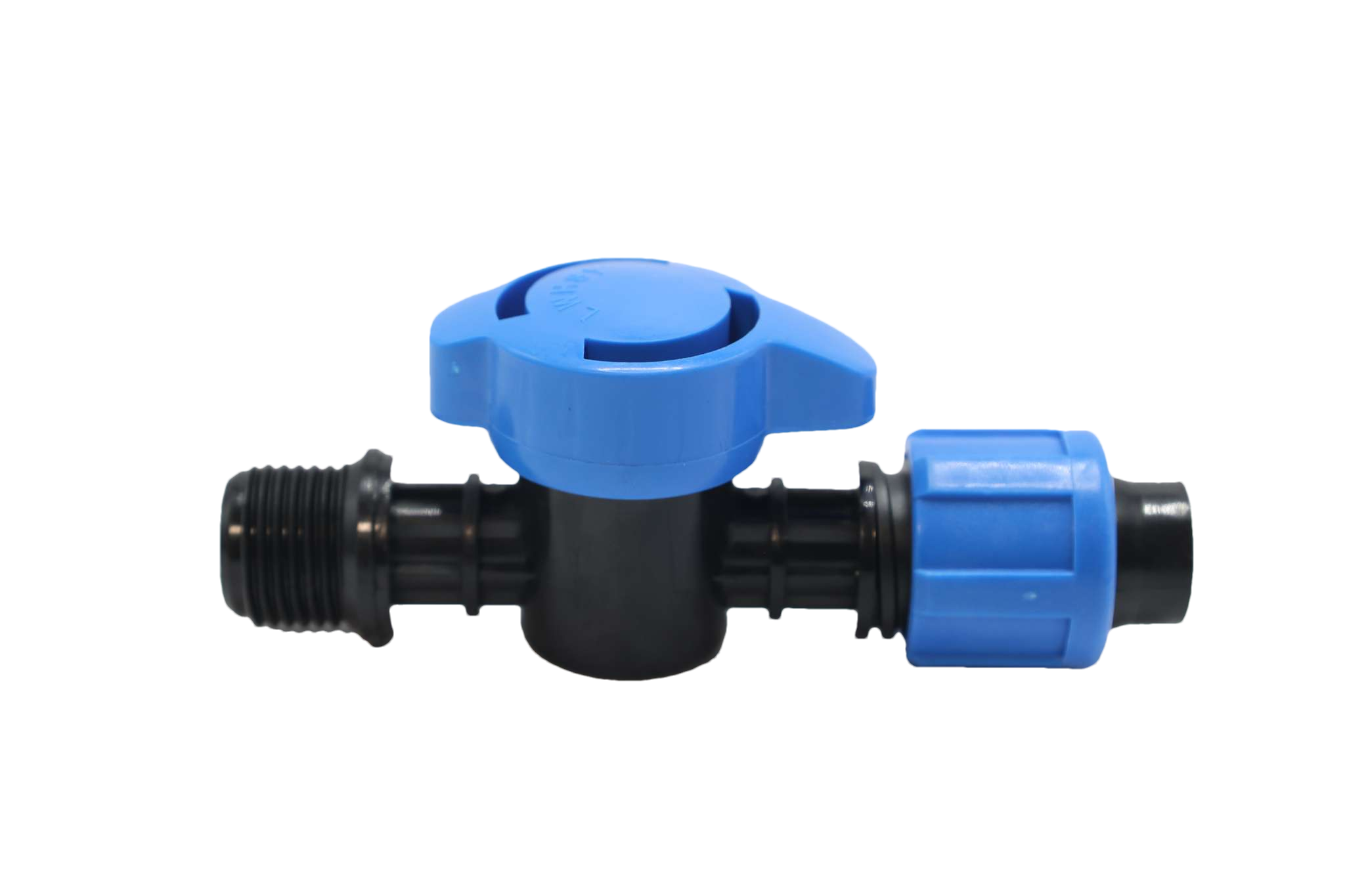
Modern agriculture faces mounting pressure to produce more food while consuming fewer natural resources. Water scarcity, rising operational expenses, and environmental regulations challenge growers worldwide to find smarter cultivation methods. Water-saving irrigation has emerged as a transformative solution that directly addresses these challenges by delivering precise water volumes to crop root zones while minimizing waste. This technology fundamentally changes how farms manage their most critical input, creating measurable improvements in both production outcomes and financial performance.
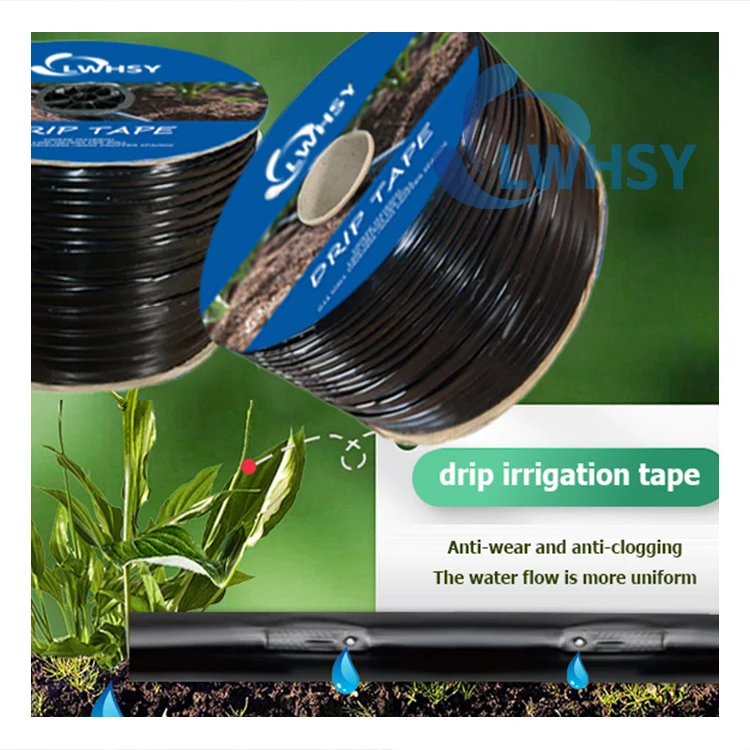
Understanding how water-saving irrigation improves crop yield and saves costs requires examining the biological, operational, and economic mechanisms at work. Unlike conventional flood or sprinkler systems that apply water broadly across fields, advanced water-saving irrigation methods target delivery with surgical precision. This approach creates optimal soil moisture conditions that enhance nutrient uptake, reduce plant stress, and enable farmers to cultivate more acreage with existing water supplies. The financial benefits extend beyond reduced water bills to encompass labor savings, lower energy consumption, decreased fertilizer waste, and improved harvest quality that commands premium market prices.
The Biological Mechanisms Behind Yield Improvement
Optimized Root Zone Moisture Management
Water-saving irrigation systems maintain consistent moisture levels in the active root zone where plants absorb water and nutrients most efficiently. Traditional irrigation methods often create cycles of saturation and drought that stress crops and limit their growth potential. When soil moisture fluctuates dramatically, plants divert energy toward survival mechanisms rather than productive growth, resulting in smaller fruits, reduced biomass, and lower overall yields. Water-saving irrigation eliminates these stress cycles by providing frequent, measured applications that keep soil moisture within the optimal range for photosynthesis and cellular expansion.
The precision of water-saving irrigation allows farmers to tailor moisture delivery to specific crop growth stages. During germination and early establishment, shallow frequent irrigation promotes rapid root development. As plants mature, irrigation schedules adjust to encourage deeper rooting that accesses subsoil nutrients and improves drought resilience. This dynamic management approach maximizes the genetic yield potential of crop varieties, with research demonstrating productivity increases of fifteen to forty percent compared to conventional methods in vegetable, fruit, and field crop production.
Enhanced Nutrient Availability and Uptake
Efficient water management directly influences how crops access and utilize soil nutrients. Over-irrigation leaches nitrogen, potassium, and other essential elements below the root zone, creating deficiencies that limit growth regardless of fertilizer applications. Conversely, inadequate irrigation concentrates salts near the soil surface, creating toxic conditions that damage roots and reduce nutrient absorption. Water-saving irrigation maintains the ideal moisture balance that keeps nutrients soluble and available within the active root zone throughout the growing season.
Modern water-saving irrigation systems enable fertigation, the practice of injecting dissolved fertilizers directly into irrigation water for simultaneous delivery to plant roots. This integration improves nutrient use efficiency dramatically, with crops absorbing seventy to ninety percent of applied fertilizers compared to thirty to fifty percent with broadcast applications. The synchronized delivery of water and nutrients during peak demand periods accelerates vegetative growth, promotes earlier flowering, and increases fruit set rates. These physiological advantages translate directly into higher yields per hectare and improved crop quality characteristics that influence market value.
Disease Pressure Reduction Through Foliage Management
Water-saving irrigation methods that apply water directly to the soil rather than spraying it over plant canopies significantly reduce disease incidence. Wet foliage creates ideal conditions for fungal pathogens, bacterial infections, and viral transmission that devastate yields in humid climates. Overhead irrigation systems inadvertently spread diseases throughout fields while creating prolonged leaf wetness that enables pathogen establishment. By keeping foliage dry, water-saving irrigation systems create an inhospitable environment for disease organisms, reducing crop protection chemical requirements and the yield losses associated with plant health problems.
The disease suppression benefits of water-saving irrigation compound over multiple growing seasons. Fields with reduced pathogen populations experience less carryover of disease inoculum in soil and crop residues, creating progressively healthier growing conditions. This cumulative effect allows farmers to reduce fungicide applications, lower production costs, and market crops with minimal chemical residues that appeal to quality-conscious buyers. The combination of direct disease prevention and reduced chemical dependency contributes to both higher yields and improved profitability across diverse cropping systems.
Operational Cost Reduction Mechanisms
Water Resource Conservation and Utility Expense Reduction
The most immediate cost savings from water-saving irrigation come from reduced water consumption and associated pumping expenses. Conventional irrigation systems lose substantial volumes to evaporation, runoff, and deep percolation beyond crop roots. Efficiency rates for flood irrigation typically range from forty to sixty percent, meaning nearly half the applied water provides no benefit to crops. Water-saving irrigation systems achieve application efficiencies of eighty-five to ninety-five percent, delivering water directly to target zones with minimal losses. For operations drawing from wells or purchasing municipal water, these efficiency gains translate directly to lower monthly utility bills.
Energy costs associated with pumping represent a significant operational expense that water-saving irrigation dramatically reduces. Moving water through pressurized systems requires less energy than lifting large volumes for flood irrigation or generating high-pressure sprays. The precise application volumes used in water-saving irrigation systems decrease both the total energy consumed per irrigation cycle and the peak demand charges that utilities assess for high instantaneous power draw. Farms implementing water-saving irrigation typically report energy cost reductions of thirty to fifty percent compared to previous irrigation methods, with savings accumulating substantially over multi-year operational periods.
Labor Efficiency and Management Simplification
Water-saving irrigation systems reduce labor requirements by automating water delivery and eliminating manual tasks associated with conventional methods. Flood irrigation demands continuous field monitoring, berm maintenance, and labor-intensive field preparation before each watering cycle. Sprinkler systems require frequent relocation of equipment, ongoing leak repairs, and constant supervision to ensure uniform coverage. Advanced water-saving irrigation operates through automated controllers that manage entire fields with minimal human intervention, freeing workers for higher-value tasks like crop scouting, harvest operations, and quality control activities.
The management simplification enabled by water-saving irrigation extends beyond direct labor savings to improve operational flexibility and decision-making quality. Automated systems allow farmers to implement precise irrigation schedules based on soil moisture sensors, weather data, and crop growth stage requirements rather than fixed calendar-based watering. This responsive management approach optimizes water use timing to match actual plant needs, preventing both deficit stress and excess application. The ability to manage irrigation remotely through digital platforms enables operators to oversee multiple fields simultaneously, expanding the productive acreage that individual farm managers can effectively supervise without proportional increases in staffing costs.
Fertilizer and Chemical Input Optimization
Water-saving irrigation systems substantially reduce fertilizer costs through improved application efficiency and reduced leaching losses. The ability to inject nutrients directly into irrigation water ensures that fertilizers reach active root zones rather than being broadcast across entire field surfaces where substantial portions remain unavailable to plants. Precision delivery also enables split applications throughout the growing season, providing nutrients during peak demand periods when crops utilize them most effectively. This synchronization between nutrient supply and plant uptake minimizes waste while ensuring crops never experience deficiencies that limit yield potential.
The reduced water volumes applied through water-saving irrigation systems minimize the downward movement of dissolved nutrients beyond the root zone, a major source of fertilizer waste in conventional systems. Research demonstrates that nitrogen use efficiency improves by twenty to forty percent with fertigation compared to broadcast applications, representing direct cost savings on fertilizer purchases. Additionally, the improved plant health resulting from optimal water and nutrient management reduces crop protection chemical requirements. Healthier plants exhibit greater natural disease resistance and recover more quickly from pest pressure, allowing farmers to reduce insecticide and fungicide applications while maintaining yield protection.
Economic Return Analysis and Investment Payback
Capital Investment Considerations and Payback Periods
Implementing water-saving irrigation requires upfront capital investment in equipment, installation labor, and system design. Costs vary based on field size, topography, water source characteristics, and technology sophistication, with typical installations ranging from one thousand to three thousand dollars per hectare for agricultural applications. While this initial expense represents a significant financial commitment, the combined benefits of increased yields, reduced operating costs, and improved crop quality generate returns that typically recover the investment within three to five years for most commercial cropping systems.
The economic analysis of water-saving irrigation must account for both direct financial returns and indirect benefits that improve farm viability. Direct returns include measurable yield increases, reduced water and energy bills, lower labor costs, and decreased fertilizer expenses. Indirect benefits encompass improved operational flexibility, expanded cultivation possibilities on marginal land, enhanced environmental compliance, and reduced business risk from water availability constraints. When evaluated comprehensively, water-saving irrigation investments deliver internal rates of return exceeding twenty percent annually for most vegetable, fruit, and high-value crop operations, making them among the most financially attractive agricultural technology investments available.
Yield Premium and Market Quality Advantages
Beyond quantity increases, water-saving irrigation improves harvest quality characteristics that command premium prices in competitive markets. Consistent moisture management produces uniform fruit sizing, enhanced color development, improved sugar content, and extended shelf life compared to crops grown under variable water stress. These quality improvements allow growers to access premium market segments, achieve higher pack-out percentages, and reduce post-harvest losses from defects and premature spoilage. For many specialty crops, the quality premiums enabled by water-saving irrigation contribute more to profitability than the raw yield increases.
The market advantages of water-saving irrigation extend to certification opportunities and buyer preferences for sustainably produced goods. Retailers and food processors increasingly demand documented water stewardship practices from suppliers as part of corporate sustainability initiatives. Farms using water-saving irrigation can quantify their resource conservation achievements, positioning themselves as preferred suppliers for contracts that specify environmental performance standards. This market access advantage provides revenue stability and pricing power that enhance long-term farm profitability beyond the direct production economics of improved irrigation efficiency.
Risk Mitigation and Operational Resilience
Water-saving irrigation reduces business risk by decreasing vulnerability to water supply constraints and regulatory restrictions. Regions facing groundwater depletion, surface water allocation reductions, or drought-related pumping limitations threaten farm viability for operations dependent on conventional irrigation methods. Water-saving irrigation enables continued production with substantially reduced water draws, allowing farms to maintain output levels despite tightening water availability. This resilience protects farm asset values and ensures continued revenue generation when competitors face production curtailments or mandatory fallowing of irrigated acreage.
The operational stability provided by water-saving irrigation creates financial planning advantages that improve access to credit and investment capital. Lenders view farms with efficient irrigation infrastructure as lower-risk borrowers because they demonstrate reduced vulnerability to climate variability and resource constraints. This perception advantage translates to more favorable loan terms, higher credit limits, and greater flexibility for expansion investments. The combined effects of reduced operational risk and improved financial positioning enhance farm enterprise value beyond the direct production economics, creating wealth-building opportunities for agricultural operators implementing advanced irrigation technology.
Implementation Strategies for Maximum Benefit Realization
System Design Optimization for Specific Crop Requirements
Achieving optimal results from water-saving irrigation requires careful system design matched to specific crop water requirements, growth habits, and production objectives. Different crops exhibit varying sensitivities to water stress during critical growth stages, necessitating irrigation system configurations that deliver appropriate volumes at precise timing. Root depth, canopy architecture, and phenological development patterns all influence optimal emitter spacing, flow rates, and irrigation frequency. Professional system design ensures that water-saving irrigation installations provide the application uniformity and delivery capacity necessary to support maximum yield potential for target crops.
Field-specific factors including soil texture, slope characteristics, and existing infrastructure also influence system design choices. Sandy soils with limited water-holding capacity require more frequent irrigation events with smaller application volumes compared to clay soils that retain moisture longer but require careful management to prevent waterlogging. Sloping terrain necessitates pressure-compensating components that maintain uniform delivery rates across elevation changes. Integrating water-saving irrigation with existing water sources, filtration equipment, and field layouts requires engineering expertise that balances hydraulic requirements with practical installation constraints and budget limitations.
Agronomic Management Adaptation and Learning Curves
Transitioning to water-saving irrigation requires adjustments to established agronomic practices and learning new management protocols. Crop responses under precise irrigation differ from behaviors observed with conventional methods, requiring growers to develop new observation skills and decision frameworks. Initial implementation periods often involve experimentation to determine optimal irrigation schedules, fertigation protocols, and system operation parameters for specific field conditions. Supporting this learning process through training, technical assistance, and gradual implementation across farm acreage helps operators develop confidence and competence with water-saving irrigation management before committing entire operations to the new approach.
Successful water-saving irrigation adoption depends on integrating system operation with complementary agronomic practices including appropriate variety selection, planting configurations, and crop protection strategies. Some traditional practices developed for conventional irrigation may prove suboptimal under precise water management, requiring modifications to maximize the technology benefits. For example, planting densities may increase when water-saving irrigation eliminates moisture competition between adjacent plants, or cultivation timing may shift to capitalize on improved soil workability from reduced waterlogging. This holistic approach to production system redesign ensures that water-saving irrigation investments achieve their full potential for yield improvement and cost reduction.
Maintenance Protocols and System Longevity
Realizing long-term economic returns from water-saving irrigation requires consistent maintenance that preserves system performance and extends equipment life. Emitter clogging from mineral precipitation, organic matter accumulation, or biological growth represents the primary maintenance challenge, requiring regular flushing, chemical treatments, and filtration system monitoring. Establishing preventive maintenance schedules that address potential problems before they impact crop performance protects yield quality while avoiding expensive emergency repairs during critical growth periods. Proper winterization in cold climates and UV protection for exposed components further extend system longevity and preserve the capital investment.
Monitoring system performance through periodic evaluations ensures that water-saving irrigation continues delivering design efficiency levels throughout its operational life. Distribution uniformity testing, pressure measurements, and emitter flow rate assessments identify developing problems that might otherwise remain undetected until crop stress becomes visible. Early detection of worn components, damaged lines, or hydraulic imbalances allows targeted repairs that maintain system effectiveness at minimal cost. This proactive maintenance approach protects both the irrigation infrastructure investment and the crop production it supports, ensuring consistent yield and quality advantages that justify the technology adoption decision.
FAQ
What percentage of water can farms save by switching to water-saving irrigation systems?
Farms typically reduce water consumption by thirty-five to fifty-five percent when transitioning from conventional flood or sprinkler irrigation to modern water-saving irrigation systems. The exact savings depend on previous irrigation method efficiency, crop type, soil characteristics, and climate conditions. In arid regions with high evaporation rates, savings may exceed sixty percent because water-saving irrigation eliminates most evaporative losses. These reductions directly translate to lower pumping costs and extend available water supplies to irrigate additional acreage or sustain production during drought periods when water allocations are restricted.
How quickly do yield improvements appear after installing water-saving irrigation?
Most growers observe measurable yield improvements within the first full growing season after implementing water-saving irrigation, though the magnitude of gains often increases over subsequent years as operators refine management practices. Initial yield increases typically range from ten to twenty-five percent, with further improvements emerging as farmers optimize irrigation scheduling, adjust fertilization programs, and adapt other agronomic practices to capitalize on precise water delivery. Perennial crops like fruit trees and vines may require two to three seasons to express full yield potential under improved irrigation because root system development and canopy establishment occur gradually. Annual vegetable and field crops demonstrate more immediate responses to optimized moisture management.
Can water-saving irrigation work effectively in all climate zones and soil types?
Water-saving irrigation systems function effectively across diverse climate zones and soil types when properly designed for local conditions. Arid and semi-arid regions benefit most dramatically from the technology because it maximizes limited water supplies and minimizes evaporative losses. Humid climates also gain advantages through disease reduction from dry foliage and improved nutrient management, though the water conservation benefits are less pronounced. Soil texture influences system design parameters rather than basic feasibility, with sandy soils requiring closer emitter spacing and more frequent irrigation cycles compared to clay soils that benefit from less frequent deeper watering. Professional system design ensures appropriate configuration for site-specific conditions regardless of location.
What ongoing costs should farmers budget for maintaining water-saving irrigation systems?
Annual maintenance costs for water-saving irrigation typically represent three to six percent of initial system investment, covering filtration consumables, chemical treatments for emitter cleaning, periodic component replacement, and labor for system monitoring and adjustments. Energy costs for system operation depend on water source pressure requirements and field size but generally run lower than conventional irrigation due to reduced water volumes. Fertilizer injection equipment requires periodic calibration and occasional repairs. Most operations establish preventive maintenance schedules during off-season periods to minimize costs and ensure system readiness before planting. While these ongoing expenses are real, they remain substantially lower than the combined savings from reduced water consumption, decreased labor requirements, and improved input use efficiency that water-saving irrigation provides.
Table of Contents
- The Biological Mechanisms Behind Yield Improvement
- Operational Cost Reduction Mechanisms
- Economic Return Analysis and Investment Payback
- Implementation Strategies for Maximum Benefit Realization
-
FAQ
- What percentage of water can farms save by switching to water-saving irrigation systems?
- How quickly do yield improvements appear after installing water-saving irrigation?
- Can water-saving irrigation work effectively in all climate zones and soil types?
- What ongoing costs should farmers budget for maintaining water-saving irrigation systems?