
 EN
EN
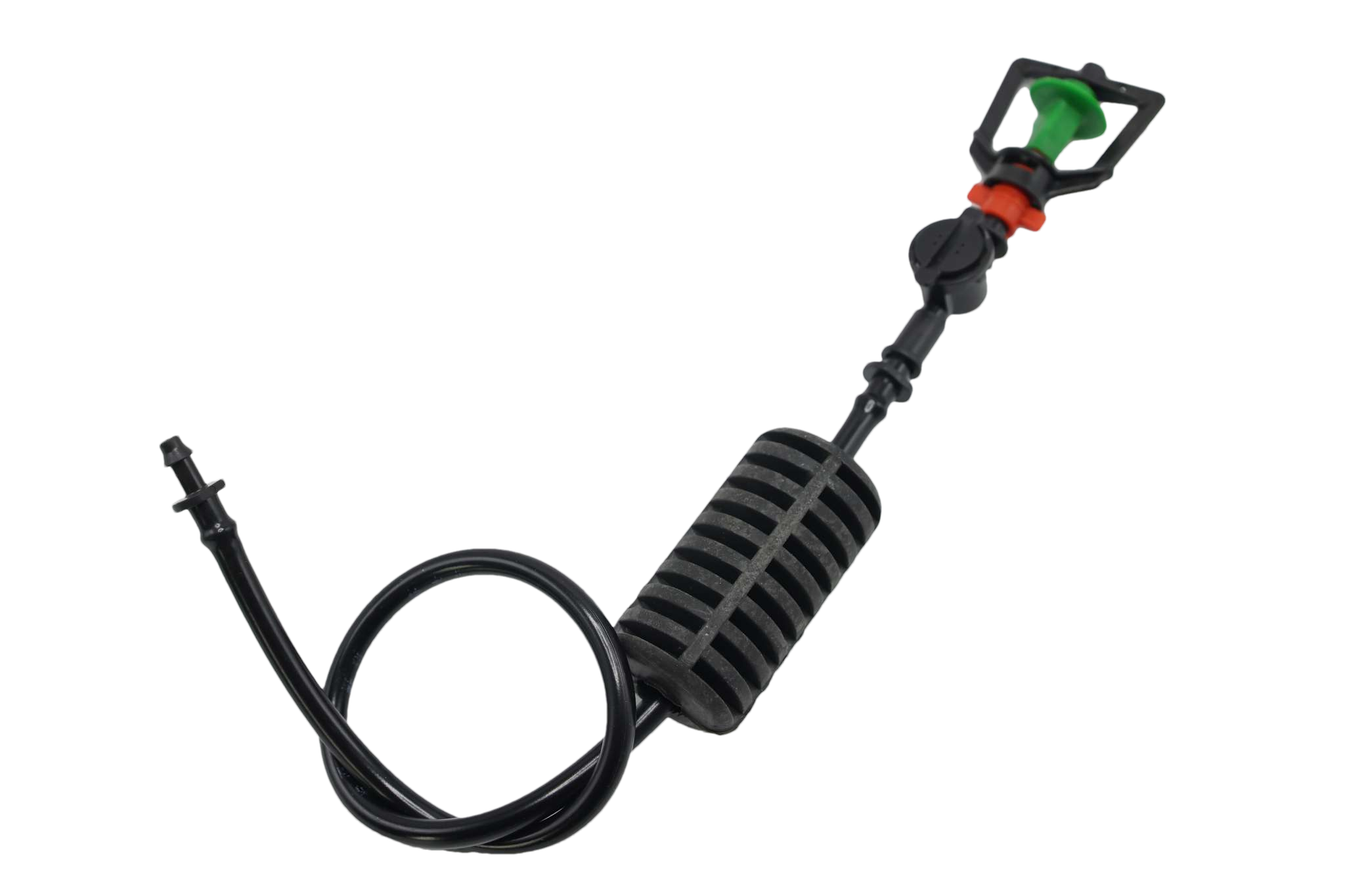
Building a water-saving irrigation system represents one of the most impactful decisions agricultural producers and landscape managers can make in today's environment of increasing water scarcity and rising operational costs. A properly designed water-saving irrigation system not only reduces water consumption by up to 60% compared to traditional methods but also improves crop yields, minimizes labor requirements, and contributes to long-term sustainability goals. This comprehensive guide walks you through the entire process of planning, designing, installing, and maintaining an efficient water-saving irrigation system tailored to your specific land conditions and crop requirements.
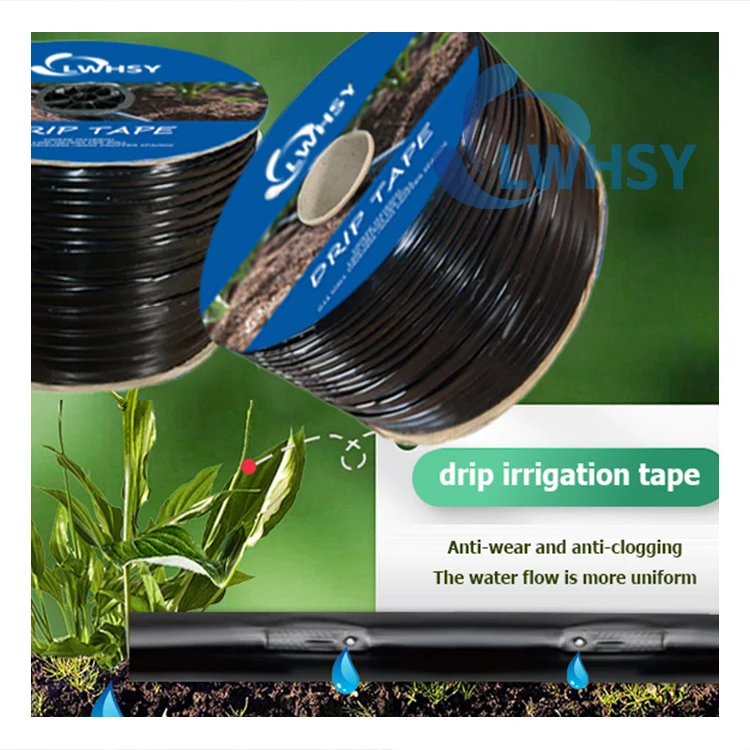
Whether you manage a small vegetable garden, a multi-hectare commercial farm, or a landscape project, understanding the fundamental steps involved in constructing a water-saving irrigation system empowers you to make informed decisions that balance initial investment with long-term operational savings. The approach outlined in this guide follows proven engineering principles while remaining accessible to both experienced agricultural professionals and those new to modern irrigation technology. Each phase builds upon the previous one, creating a logical pathway from initial site assessment through final system optimization.
Understanding Your Site Conditions and Water Requirements
Conducting a Comprehensive Site Assessment
Before purchasing any components for your water-saving irrigation system, conducting a thorough site assessment forms the foundation of successful system design. Begin by mapping your entire irrigation area, noting topographical features such as slopes, low spots, and existing drainage patterns. Measure the total area accurately in square meters or hectares, as this directly influences component selection and system capacity calculations. Document soil type throughout different zones, since sandy soils drain quickly while clay soils retain moisture longer, affecting emitter spacing and flow rate requirements.
Evaluate your existing water source carefully, whether it comes from a well, municipal supply, pond, or river. Test the water pressure at different times of day using a pressure gauge, recording the minimum available pressure during peak usage periods. Water quality testing reveals dissolved minerals, pH levels, and potential contaminants that might require filtration or treatment before entering your water-saving irrigation system. Understanding these baseline conditions prevents costly mistakes during component selection and ensures your system operates reliably throughout its service life.
Calculating Crop Water Needs and System Capacity
Different crops and plants require varying amounts of water depending on their growth stage, root depth, and physiological characteristics. Research the specific water requirements for your crops measured in millimeters per day or liters per plant per week. Factor in local climate conditions including temperature ranges, humidity levels, wind exposure, and seasonal rainfall patterns. A water-saving irrigation system must deliver sufficient moisture to meet peak demand periods while avoiding overwatering that leads to waste, disease, and nutrient leaching.
Calculate total system capacity by multiplying the area to be irrigated by the peak daily water requirement, then add a safety margin of approximately 15-20% to account for variations and future expansion. This calculation determines the minimum flow rate your water source and main lines must deliver. Understanding these numbers early prevents undersizing your water-saving irrigation system, which would result in inadequate coverage, or oversizing it, which increases unnecessary initial costs. Proper capacity planning ensures your system operates within optimal pressure ranges for maximum efficiency.
Identifying Zone Requirements and Irrigation Scheduling
Dividing your irrigation area into logical zones based on crop type, soil characteristics, sun exposure, and water requirements allows for precise management of your water-saving irrigation system. Plants with similar moisture needs should be grouped together, enabling you to apply water only where and when needed. Zones might be defined by crop variety, growth stage, or microclimate conditions such as shaded areas versus full sun exposure. This zoning strategy maximizes water efficiency by preventing the common mistake of overwatering drought-tolerant plants while underwatering those with higher demands.
Develop a preliminary irrigation schedule for each zone based on crop requirements, soil water-holding capacity, and expected evapotranspiration rates. Consider whether you will irrigate daily for short durations or less frequently for longer periods, as this influences emitter selection and line sizing. A well-planned water-saving irrigation system incorporates flexible scheduling that adapts to seasonal changes, rainfall events, and crop development stages. Document these requirements clearly as they directly inform the technical specifications you will need during component selection.
Selecting the Right Components for Your Water-Saving Irrigation System
Choosing Appropriate Drip Tape or Tubing
The heart of any water-saving irrigation system lies in selecting the correct drip tape or tubing that delivers water precisely to plant root zones. Drip tape typically comes in diameters ranging from 12mm to 22mm, with 16mm being the most common size for agricultural applications due to its balance of flow capacity and cost-effectiveness. Wall thickness varies from thin-walled seasonal tape (0.15-0.20mm) suitable for annual crops to thicker-walled tape (0.25-0.38mm) designed for multi-season use in perennial crops or challenging field conditions.
Emitter spacing represents a critical specification that must align with your soil type and crop spacing. Common emitter intervals include 10cm, 20cm, 30cm, and 40cm, with closer spacing recommended for sandy soils or high-value crops requiring uniform moisture distribution. A water-saving irrigation system designed for vegetable production might use 20cm spacing, while orchard applications often utilize 40cm or wider spacing. Emitter flow rates typically range from 0.6 to 3.0 liters per hour per emitter, with lower flow rates providing better water distribution uniformity and reduced runoff risk on slopes.
Determining Filtration and Water Treatment Needs
Protecting your water-saving irrigation system from clogging requires appropriate filtration matched to your water source quality and emitter size. Surface water from ponds or rivers contains organic matter, algae, and suspended particles requiring screen filters with mesh sizes of 120-200 microns, often preceded by a sand media filter for heavy sediment loads. Well water typically needs less aggressive filtration but may contain dissolved minerals that precipitate inside emitters, necessitating acid injection or water softening treatment.
The filtration system should be sized to handle your system's maximum flow rate without creating excessive pressure loss, typically allowing no more than 0.2-0.3 bar pressure drop when clean. Include pressure gauges before and after filters to monitor performance and indicate when cleaning is needed. For larger water-saving irrigation system installations exceeding one hectare, automatic backflushing filters save labor and ensure consistent protection. Budget approximately 8-12% of total system cost for proper filtration, as this investment prevents the much higher costs associated with emitter clogging and system failure.
Selecting Mainlines, Submains, and Fittings
Mainline and submain pipes carry water from your source to the drip tape laterals, with sizing based on flow velocity and acceptable pressure loss calculations. PVC or polyethylene pipes ranging from 25mm to 110mm diameter serve most agricultural water-saving irrigation system applications, with larger diameters required for higher flow rates or longer distances. Maintain flow velocities below 1.5 meters per second in mainlines and below 0.8 meters per second in submains to minimize friction losses and prevent water hammer damage.
Pressure-compensating valves, air relief valves, and flush valves at strategic locations ensure reliable operation and maintenance access. Use UV-resistant materials for above-ground installations or properly rated burial-depth pipes for underground lines. Quality fittings designed specifically for irrigation applications prevent leaks and failures that waste water and undermine your water-saving irrigation system performance. Include sufficient takeoff points along submains for future expansion, spacing them according to your zone layout and field access patterns.
Installing Your Water-Saving Irrigation System Correctly
Preparing the Field and Layout Marking
Proper field preparation significantly impacts the longevity and performance of your water-saving irrigation system. Begin installation after primary field preparation is complete, including tillage, bed formation, and incorporation of soil amendments. Clear the irrigation area of rocks, debris, and sharp objects that might puncture drip tape during installation or operation. Level severe undulations that could create air pockets or drainage problems, though moderate terrain can be accommodated through proper system design.
Mark mainline and submain routes using stakes and string lines, following your design layout precisely. Position mainlines along field edges or access roads where possible to minimize interference with cultivation activities. Plan submain locations to run perpendicular to crop rows, providing convenient connection points for drip tape laterals. Verify that marked routes avoid areas scheduled for deep cultivation and provide adequate access for maintenance personnel. Taking time during this layout phase prevents rework and ensures your water-saving irrigation system integrates smoothly with overall farm operations.
Installing Mainlines and Distribution Components
Install mainline components starting from the water source and working outward, assembling connections carefully according to manufacturer specifications. For buried mainlines, excavate trenches below the frost line or cultivation depth, typically 40-60cm deep in most agricultural regions. Lay pipes on a smooth trench bottom, avoiding rocks or debris that could damage the pipe over time. Before backfilling, pressure test all connections to identify and repair leaks while access remains easy.
Mount the filtration system at the water source on a stable platform that facilitates maintenance access and protects equipment from damage. Install pressure gauges, flow meters, and control valves in accessible locations where monitoring and adjustment can be performed easily. Connect submains to the mainline using proper takeoff fittings that maintain structural integrity and prevent leaks. Each connection point in your water-saving irrigation system represents a potential failure location, so use quality components and follow installation best practices consistently. Flush all lines thoroughly before connecting drip tape to remove construction debris that could clog emitters.
Laying Drip Tape and Connecting Laterals
Deploy drip tape along crop rows after final bed preparation but before planting in many crop systems, though some growers prefer planting first and then carefully laying tape. Use mechanical tape layers for large-scale installations to ensure consistent depth and alignment, or lay manually for smaller areas and irregularly shaped fields. Position the drip tape with emitters facing upward to reduce soil particle ingestion risk, placing the tape within 2-5cm of the plant row for optimal root zone coverage.
Connect drip tape to submains using appropriate starter fittings, compression couplings, or tape-to-tubing connectors depending on your system design. Ensure connections are secure but not overtightened, which could deform the tape and reduce flow. Install flush valves or leave tape ends accessible at row ends to enable periodic flushing that removes accumulated sediment. Your water-saving irrigation system should allow individual lateral isolation for repairs without shutting down entire zones. Anchor tapes periodically along their length to prevent wind displacement, using soil coverage, wire staples, or weighted bags depending on local conditions and crop type.
Commissioning and Optimizing System Performance
Initial System Testing and Pressure Verification
Before declaring your water-saving irrigation system operational, conduct comprehensive testing to verify all components function as designed. Gradually pressurize the system while observing for leaks at connections, damaged tape sections, or improperly sealed fittings. Check that pressure gauges throughout the system show readings consistent with your design calculations, with typical operating pressures for drip tape systems ranging from 0.4 to 1.0 bar depending on tape specifications and field length.
Measure actual emitter flow rates by collecting discharge from multiple emitters across different zones for a timed interval, then calculating liters per hour. Compare measured flows against manufacturer specifications, accepting variation within 10% as normal. Significant deviations indicate problems such as inadequate filtration, pressure regulation issues, or incorrect component selection requiring correction. Walk the entire water-saving irrigation system during initial operation, documenting any dry spots, excessive wetness, or irregular patterns that suggest design or installation problems needing adjustment.
Establishing Operation Protocols and Scheduling
Develop clear operating procedures that specify irrigation duration, frequency, and sequencing for each zone in your water-saving irrigation system. Calculate run times based on emitter flow rates, emitter spacing, and crop water requirements, typically ranging from 30 minutes to 4 hours per irrigation cycle depending on system design and soil conditions. Program automated controllers if your system includes them, or create written schedules for manual valve operation ensuring consistency and accountability.
Monitor soil moisture conditions during the first several irrigation cycles using tensiometers, soil probes, or simple hand-feel techniques to verify that your calculated schedules deliver appropriate moisture levels. Adjust run times as needed based on observed plant response and soil moisture patterns. Most water-saving irrigation system installations require minor scheduling refinements during the first season as operators learn system characteristics and crop responses. Document all adjustments and observations to build an operational knowledge base that improves decision-making over time.
Fine-Tuning Distribution Uniformity
Achieving excellent distribution uniformity separates high-performing water-saving irrigation system installations from merely adequate ones. Conduct formal uniformity evaluations by measuring emitter flows at the beginning, middle, and end of multiple laterals across different zones. Calculate the distribution uniformity coefficient, targeting values above 85% for well-designed systems, with values above 90% considered excellent. Low uniformity indicates problems such as inadequate pressure, excessive friction loss, clogged filters, or damaged components requiring investigation.
Address uniformity problems systematically by first verifying that filtration performs adequately and that source pressure remains stable. Check for partially clogged emitters by flushing laterals and observing discharge patterns. Adjust pressure regulators if variations exceed acceptable ranges, or consider redesigning problematic zones with shorter lateral runs or larger diameter submains. A properly optimized water-saving irrigation system delivers nearly identical water quantities to all plants regardless of their position in the field, maximizing yield potential while minimizing waste from over-irrigation in some areas to compensate for under-irrigation in others.
Maintaining Your Water-Saving Irrigation System for Long-Term Success
Implementing Preventive Maintenance Schedules
Consistent preventive maintenance extends the service life of your water-saving irrigation system while preventing costly emergency repairs during critical growth periods. Establish a regular schedule that includes weekly filter cleaning during operation season, with frequency adjusted based on observed pressure differential across filters. Inspect visible components including valve boxes, pressure gauges, and exposed piping weekly for leaks, damage, or unusual conditions requiring attention.
Flush all drip tape laterals monthly by opening end caps or flush valves and allowing water to run until clear, removing accumulated sediment before it causes emitter clogging. Check pressure readings at multiple system locations monthly, comparing against baseline values to detect gradual changes indicating developing problems. Annual maintenance tasks for a water-saving irrigation system include draining and winterizing in cold climates, comprehensive leak detection surveys, and replacing worn components such as gaskets, O-rings, and pressure diaphragms before they fail in service.
Managing Clogging Prevention and Recovery
Emitter clogging represents the primary threat to water-saving irrigation system performance, caused by physical particles, biological growth, or chemical precipitation. Physical clogging from sand, silt, or organic matter is prevented through proper filtration and regular flushing. Biological clogging from algae or bacterial slimes develops when water sources contain organic nutrients, requiring periodic chlorination or other biocide treatments typically applied at 1-2 parts per million concentration for 30-60 minutes per treatment.
Chemical clogging from calcium carbonate, iron, or manganese precipitation occurs with certain water chemistries, requiring acid injection to maintain pH below 7.0 and prevent mineral buildup inside emitters. If clogging occurs despite prevention efforts, recovery procedures include extended flushing, increased chlorination, or acid treatment depending on clog type. Severely clogged drip tape may require replacement, emphasizing why prevention through proper water treatment and maintenance of your water-saving irrigation system proves far more cost-effective than attempting to recover from extensive emitter failure.
Conducting Seasonal System Adjustments
A water-saving irrigation system requires seasonal adjustments reflecting changing crop needs, weather patterns, and growth stages. Increase irrigation frequency and duration during hot summer months when evapotranspiration peaks, while reducing applications during cooler spring and fall periods. Adjust schedules following significant rainfall events, accounting for natural precipitation in your water management decisions. Many modern systems incorporate rain sensors or soil moisture sensors that automatically modify irrigation schedules based on real-time conditions.
Monitor crop development stages and adjust water applications accordingly, typically increasing moisture during flowering and fruiting periods while potentially reducing it during ripening or pre-harvest phases. Document water meter readings, rainfall amounts, and irrigation schedules throughout the season to evaluate total water consumption and system efficiency. Compare actual water use against design projections, investigating significant variances that might indicate leaks, over-irrigation, or system deterioration. This seasonal data collection builds the operational intelligence necessary for continuously improving your water-saving irrigation system performance and achieving optimal water use efficiency.
FAQ
How much water can I actually save with a water-saving irrigation system compared to traditional methods?
A properly designed and operated water-saving irrigation system typically reduces water consumption by 40-60% compared to traditional flood or furrow irrigation, and by 25-40% compared to overhead sprinkler systems. The exact savings depend on factors including your previous irrigation method efficiency, soil type, crop selection, and climate conditions. Drip irrigation delivers water directly to root zones with minimal evaporation loss and zero runoff on properly designed systems, while traditional methods lose substantial water to evaporation, wind drift, and surface runoff. In addition to water savings, you will also see reduced energy costs for water pumping, lower fertilizer usage through fertigation efficiency, and often improved crop yields due to more consistent soil moisture conditions.
What is the typical lifespan of drip tape and when should I plan for replacement?
Drip tape lifespan varies significantly based on wall thickness, UV exposure, water quality, and handling practices. Thin-walled seasonal tape (0.15-0.20mm) is designed for single-season use in annual crops and should be replaced each year. Medium-walled tape (0.25mm) typically lasts 2-3 seasons with proper care, while heavy-walled tape (0.38mm or thicker) may provide 5-7 seasons of service in favorable conditions. Factors that shorten lifespan include excessive UV exposure without mulch coverage, poor water filtration causing emitter clogging, physical damage from cultivation equipment, and chemical degradation from aggressive water treatment. Plan replacement when emitter clogging affects more than 10-15% of emitters, when physical damage creates excessive leaks, or when distribution uniformity falls below acceptable levels despite maintenance efforts.
Can I install a water-saving irrigation system myself or do I need professional help?
Small-scale water-saving irrigation system installations under 0.5 hectares can often be successfully completed by motivated individuals following detailed guides and manufacturer instructions, particularly when using pre-designed system kits. However, larger installations, complex topography, challenging water sources, or situations requiring precise engineering calculations benefit significantly from professional design assistance. Consider hiring an irrigation specialist or agricultural engineer for the initial design phase while potentially handling installation yourself to balance cost and technical accuracy. Professional involvement proves especially valuable for pressure and flow calculations, filtration system sizing, and ensuring code compliance with local water use regulations. Even experienced do-it-yourself installers should have their design reviewed by a knowledgeable professional before purchasing components to avoid costly mistakes.
How do I know what emitter spacing and flow rate to choose for my specific crops?
Emitter spacing selection depends primarily on soil texture and lateral water movement characteristics rather than crop type alone. Sandy soils with limited lateral water movement require closer emitter spacing (10-20cm) to achieve uniform coverage, while clay soils with good lateral movement can use wider spacing (30-40cm). Choose emitter flow rates based on crop water requirements and desired irrigation frequency, with low-flow emitters (0.6-1.0 liters per hour) providing better uniformity and longer run times, while higher-flow emitters (2.0-3.0 liters per hour) enable shorter irrigation cycles. For row crops like vegetables, position drip tape within 5cm of the plant row using spacing matched to soil type. For widely spaced crops like orchards, you might use multiple drip lines per tree row or a single line with strategic emitter placement near each tree. Consult crop-specific irrigation guides, university extension resources, or irrigation professionals to match emitter specifications to your particular situation.
Table of Contents
- Understanding Your Site Conditions and Water Requirements
- Selecting the Right Components for Your Water-Saving Irrigation System
- Installing Your Water-Saving Irrigation System Correctly
- Commissioning and Optimizing System Performance
- Maintaining Your Water-Saving Irrigation System for Long-Term Success
-
FAQ
- How much water can I actually save with a water-saving irrigation system compared to traditional methods?
- What is the typical lifespan of drip tape and when should I plan for replacement?
- Can I install a water-saving irrigation system myself or do I need professional help?
- How do I know what emitter spacing and flow rate to choose for my specific crops?