
 EN
EN
Building a water-saving irrigation system represents one of the most impactful decisions agricultural producers and landscape managers can make in today's resource-conscious environment. As global water scarcity intensifies and operational costs rise, implementing efficient irrigation infrastructure has transitioned from an optional upgrade to an operational necessity. This comprehensive guide walks you through the entire process of designing, installing, and optimizing a water-saving irrigation system that reduces consumption by up to seventy percent compared to conventional methods while maintaining or even improving crop yields and landscape health.
Whether you manage a small vegetable garden, a commercial agricultural operation, or a municipal landscape project, the principles and procedures outlined in this step-by-step guide provide actionable frameworks for successful implementation. The process involves careful site assessment, strategic system design, precise component selection, methodical installation, and ongoing optimization. By following these structured steps, you will establish a water-saving irrigation system that delivers targeted moisture directly to plant root zones, minimizes evaporation and runoff, and creates measurable reductions in both water consumption and operational expenses while supporting sustainable growing practices.
Understanding Your Site Requirements and Water Sources
Conducting a Comprehensive Site Assessment
The foundation of any effective water-saving irrigation system begins with thorough site evaluation. Start by mapping your entire irrigation area, noting topographical features, soil types, existing vegetation, and microclimates. Document slope gradients, drainage patterns, and areas prone to water pooling or rapid drainage. This initial assessment identifies zones with different watering requirements, allowing you to design a system that delivers precise amounts of water to each area based on actual plant needs rather than applying uniform coverage across diverse conditions.
Soil analysis forms a critical component of site assessment for water-saving irrigation system development. Conduct soil tests to determine texture, structure, infiltration rates, and water-holding capacity. Sandy soils drain quickly and require more frequent but shorter irrigation cycles, while clay soils retain moisture longer but need slower application rates to prevent runoff. Understanding these characteristics enables you to select appropriate emitter flow rates and irrigation scheduling that match soil absorption capabilities, preventing both under-watering and wasteful over-application that leads to deep percolation losses.
Evaluating Available Water Sources and Quality
Identifying and characterizing your water source directly impacts system design and component selection. Municipal water supplies typically offer consistent pressure and quality but may carry higher costs and usage restrictions. Well water provides independence but requires pressure testing, flow rate measurement, and quality analysis for mineral content, pH levels, and potential contaminants. Surface water from ponds, streams, or collection systems offers cost advantages but demands filtration systems to prevent emitter clogging in your water-saving irrigation system.
Water quality testing reveals dissolved solids, pH levels, bacterial content, and suspended particles that affect system performance and longevity. High mineral content can cause scaling and emitter blockage, requiring acid injection or regular flushing protocols. Biological contamination necessitates chlorination or other treatment methods. Documenting static water level, recovery rate, and sustained flow capacity for well sources ensures your water-saving irrigation system design remains within available supply parameters, preventing system failures during peak demand periods and enabling accurate pump sizing calculations.
Designing Your Water-Saving Irrigation System Layout
Establishing Irrigation Zones Based on Plant Needs
Effective zone design groups plants with similar water requirements, sun exposure, and soil conditions into distinct irrigation circuits. This approach eliminates the inefficiency of watering drought-tolerant and water-intensive plants on the same schedule. Create separate zones for vegetables, ornamentals, trees, shrubs, and lawn areas, each with customized run times and frequencies. A properly zoned water-saving irrigation system allows independent control of each area, delivering optimal moisture levels without waste while accommodating seasonal adjustments and plant maturity changes.
Calculate the water requirements for each zone using evapotranspiration data, crop coefficients, and local climate information. Factor in plant growth stages, canopy coverage, and root depth to determine daily water needs throughout the growing season. This quantitative approach establishes precise irrigation schedules that apply only the water plants actually consume, eliminating guesswork and habitual over-watering. Your water-saving irrigation system design should incorporate flexibility for adjusting zone schedules as weather patterns shift and plant water demands evolve from establishment through maturity and dormancy.
Selecting Appropriate Drip Irrigation Components
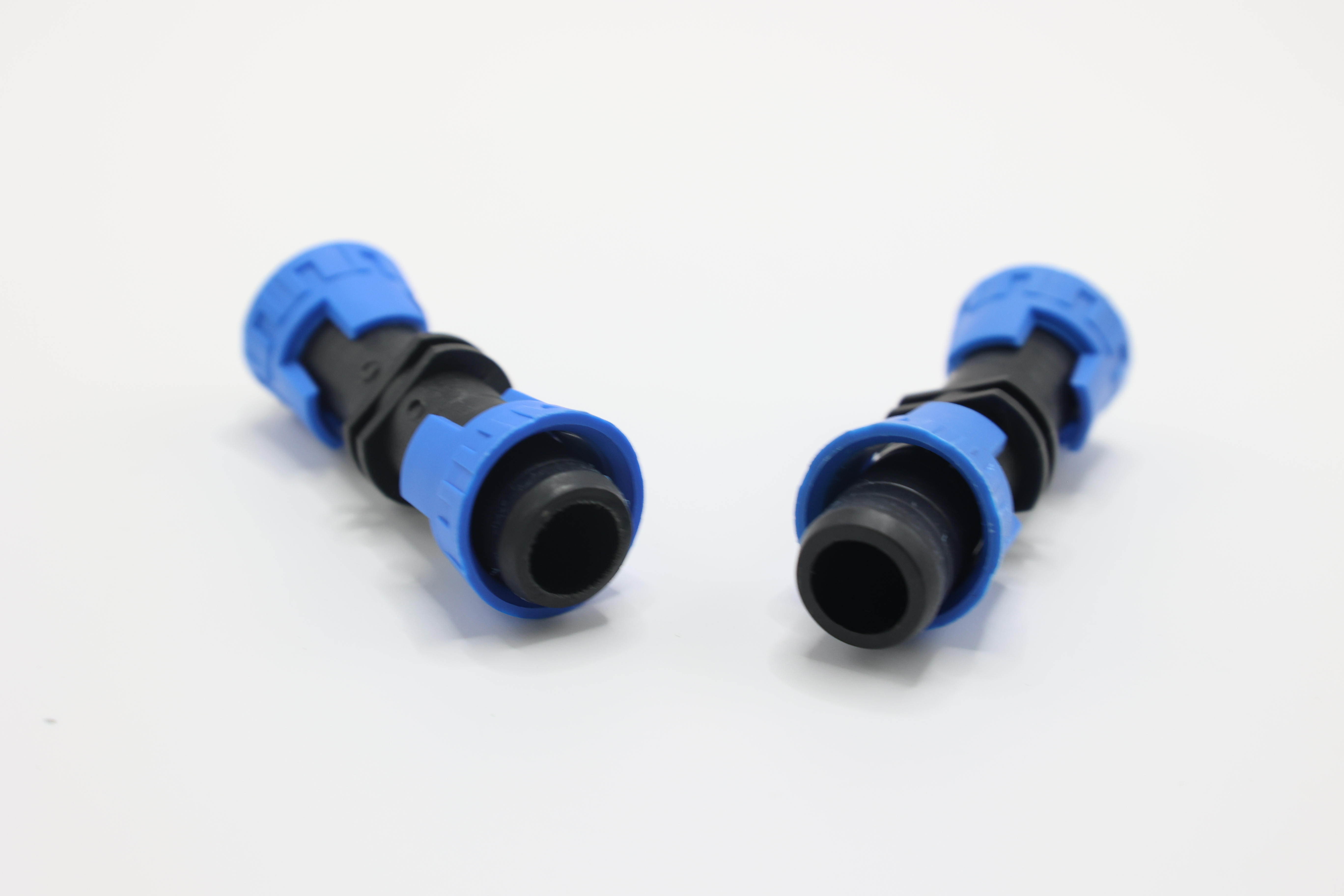
Component selection directly determines system efficiency and longevity. Choose drip lines, emitters, and fittings specifically engineered for water conservation applications. Pressure-compensating emitters maintain consistent flow rates across varying terrain elevations and pressure fluctuations, ensuring uniform water distribution throughout the zone. Inline emitters integrated into the tubing at factory-set intervals simplify installation and provide reliable spacing, while individual button emitters offer flexibility for irregularly spaced plants in ornamental and container applications.
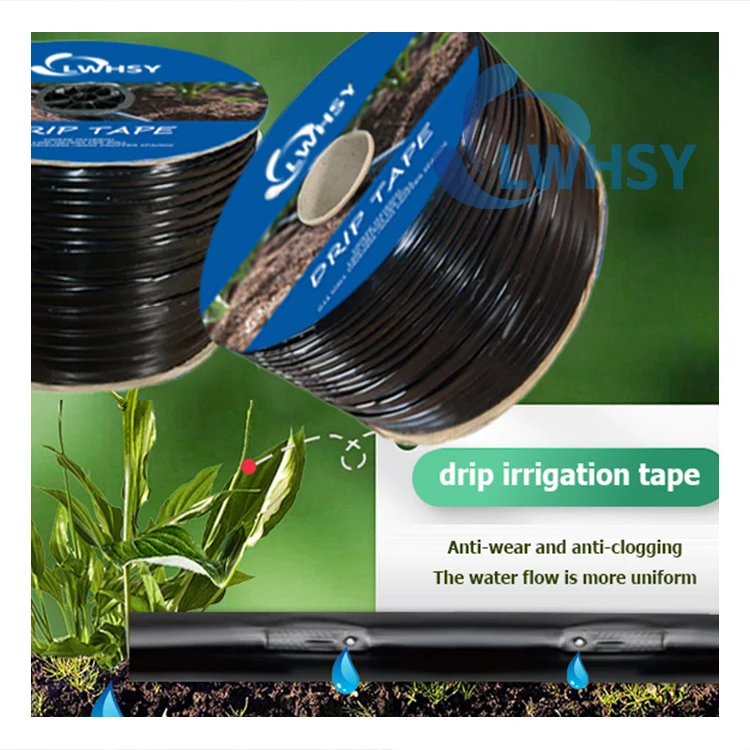
For row crop and vegetable production, flat emitter drip tape provides an economical solution that delivers water directly to plant root zones with minimal evaporation loss. Consider emitter spacing, flow rate, and wall thickness based on crop spacing, soil type, and intended system lifespan. A water-saving irrigation system using appropriately sized drip tape reduces water consumption by delivering moisture directly where plants need it while preventing wasteful surface evaporation and runoff that plague conventional sprinkler methods.
Planning Main Lines and Submain Distribution Networks
Design your mainline and submain network to transport water from the source to zone valve locations with minimal pressure loss. Calculate pipe sizing based on total system flow requirements, friction loss coefficients, and maximum allowable velocity to prevent water hammer and excessive turbulence. Larger diameter pipes reduce friction loss over long runs, maintaining adequate pressure at distant zones. Position mainlines to follow natural contours when possible, minimizing the need for extensive trenching while ensuring accessibility for future maintenance and system modifications.
Install pressure regulators at appropriate locations to maintain optimal operating pressure for drip components, typically between ten and thirty pounds per square inch depending on manufacturer specifications. Excessive pressure causes emitter blowouts and accelerated wear, while insufficient pressure results in uneven water distribution and reduced zone coverage. Your water-saving irrigation system layout should include strategic placement of air vents, flush valves, and pressure gauges to facilitate system maintenance, performance monitoring, and troubleshooting throughout the operational lifespan.
Installing System Components with Precision
Preparing the Site and Installing Underground Infrastructure
Begin installation by marking all underground utilities to prevent damage during trenching operations. Excavate trenches for mainlines and submains to appropriate depths, typically eighteen to twenty-four inches to protect pipes from freezing in cold climates and from surface equipment damage. Maintain consistent trench depth and gradual slopes to facilitate complete drainage during winterization procedures. Create smooth trench bottoms free from rocks and debris that could damage pipe walls, and install warning tape above buried lines to alert future excavators to infrastructure presence.
Assemble mainline components using proper joining techniques for your selected pipe material. PVC pipes require primer and solvent cement applied according to manufacturer specifications, with adequate cure time before pressurizing. Polyethylene pipes use compression fittings, barbed fittings with clamps, or heat fusion connections depending on diameter and pressure rating. Install backflow prevention devices as required by local codes to protect potable water supplies. Your water-saving irrigation system installation should include proper valve box placement for easy access to zone valves, pressure regulators, and filters without requiring excavation for routine maintenance tasks.
Installing Drip Lines and Emitter Placement
Position drip lines according to your design layout, placing tubing in direct contact with the soil surface or securing lines slightly below mulch layers to prevent ultraviolet degradation and physical damage. In row crop applications, align drip tape parallel to plant rows at appropriate spacing to ensure adequate root zone coverage. For trees and shrubs, create circular or serpentine patterns that extend to the drip line of mature canopy spread. Stake or secure drip lines at regular intervals to prevent wind displacement and maintain consistent spacing throughout the water-saving irrigation system operational area.
Connect drip lines to submain laterals using appropriate fittings, ensuring secure connections that prevent leaks and pressure loss. Install flush caps or valves at the terminal end of each drip line run to facilitate periodic flushing that removes sediment accumulation and prevents emitter clogging. Test each zone individually before covering lines with mulch or soil, verifying that all emitters discharge water at expected rates and that no leaks exist at connection points. This systematic verification during installation prevents costly repairs and performance issues after completing your water-saving irrigation system deployment.
Integrating Filtration and Control Systems
Install filtration equipment appropriate for your water source quality and system requirements. Screen filters suit clean municipal water, while disk filters provide effective filtration for well water with moderate sediment loads. Media filters offer the highest filtration capacity for surface water sources with heavy sediment or organic content. Size filters to handle peak system flow rates with adequate surface area to prevent excessive pressure drops that reduce zone performance. Position filters between the water source and system mainline, with pressure gauges before and after the filter to monitor differential pressure and indicate when cleaning becomes necessary.
Configure your controller to operate zone valves according to the irrigation schedules developed during the design phase. Modern controllers offer flexible programming options, including multiple daily start times, seasonal adjustment percentages, and weather-based modifications. Install soil moisture sensors or rain sensors to prevent unnecessary irrigation during natural precipitation events or when soil moisture remains adequate. These automated controls optimize your water-saving irrigation system performance by applying water only when plants actually need it, eliminating the waste associated with fixed schedules that ignore real-time conditions and weather variability.
Commissioning and Optimizing System Performance
Conducting Initial System Testing and Adjustments
Begin system commissioning by slowly pressurizing the entire network to check for leaks at all connection points, valve seats, and pipe joints. Address any leaks immediately before proceeding with full operational testing. Activate each zone individually and verify that all emitters discharge water uniformly at design flow rates. Measure actual system pressure at multiple points and compare readings to design specifications, adjusting pressure regulators as needed to achieve optimal operating conditions throughout the water-saving irrigation system network.
Calculate distribution uniformity by collecting and measuring emitter discharge from multiple locations within each zone. High-quality systems achieve uniformity coefficients above ninety percent, indicating consistent water application across the irrigated area. Poor uniformity suggests inadequate filtration, improper pressure regulation, elevation-induced pressure variations, or undersized pipes creating excessive friction loss. Address uniformity issues before establishing final irrigation schedules, as uneven water distribution forces over-irrigation of some areas to adequately water others, undermining the conservation objectives of your water-saving irrigation system implementation.
Establishing Optimal Irrigation Schedules
Develop precise irrigation schedules based on actual system performance data rather than theoretical calculations alone. Conduct soil moisture monitoring during initial operation to verify that irrigation duration and frequency maintain optimal root zone moisture without creating waterlogged conditions or allowing excessive drying between cycles. Adjust run times seasonally to accommodate changing weather patterns, plant growth stages, and evapotranspiration rates. A properly calibrated water-saving irrigation system applies water in multiple short cycles rather than single long runs, allowing soil absorption time and preventing runoff on slopes or heavy clay soils.
Implement variable scheduling strategies that account for microclimate differences within your property. Shaded areas require less frequent irrigation than full-sun locations, while wind-exposed zones experience higher evapotranspiration rates demanding increased water application. South-facing slopes dry faster than north-facing areas, and reflected heat from buildings or paved surfaces creates localized hot spots with elevated water needs. Fine-tuning your water-saving irrigation system programming to address these variations maximizes efficiency by eliminating both under-watered stressed plants and over-watered zones that waste water through deep percolation and promote disease susceptibility.
Implementing Maintenance Protocols and Monitoring Systems
Establish regular maintenance schedules to sustain optimal system performance throughout the operating season. Flush all drip lines monthly to remove sediment accumulation that gradually restricts emitter flow. Clean or replace filters according to manufacturer recommendations or when differential pressure indicates clogging. Inspect emitters for damage, clogging, or biological growth, replacing failed components promptly to maintain uniform distribution. Check pressure readings at multiple system points to identify developing problems before they cause zone-wide failures or efficiency reductions in your water-saving irrigation system.
Deploy monitoring technologies that provide real-time performance feedback and automated alerts for system malfunctions. Flow meters at zone valves detect leaks, broken lines, or valve failures by comparing actual flow to expected values. Soil moisture sensors enable dynamic irrigation scheduling that responds to actual plant water status rather than fixed timer programs. Wireless connectivity allows remote system monitoring and control adjustments from mobile devices, enabling rapid response to changing conditions. These monitoring enhancements transform your water-saving irrigation system from a static installation into an adaptive network that continuously optimizes water application based on real-world conditions and plant responses.
Maximizing Long-Term Efficiency and System Lifespan
Winterization and Seasonal Preparation Procedures
In regions experiencing freezing temperatures, proper winterization prevents costly freeze damage to system components. Drain all water from mainlines, submains, and drip lines before temperatures drop below freezing. Open flush valves and low-point drains to evacuate trapped water from pipes. Remove and store controllers, backflow preventers, and filters in protected locations. Consider using compressed air to blow residual water from lines if gravity drainage proves insufficient. Proper seasonal shutdown protects your water-saving irrigation system investment and ensures reliable performance when operation resumes in spring.
Spring startup procedures verify system integrity after months of dormancy. Inspect all visible components for damage from freezing, wildlife activity, or equipment operation. Gradually repressurize the system while checking for leaks at connection points. Replace cracked fittings, damaged emitters, and degraded tubing before beginning seasonal operation. Test controller programming and sensor functionality to ensure all automation features operate correctly. Systematic seasonal preparation extends the functional lifespan of your water-saving irrigation system while preventing early-season failures that waste water and threaten plant health during critical establishment periods.
Upgrading and Expanding Existing Systems
As your landscape matures or production areas expand, systematic upgrades maintain optimal efficiency. Add zones to accommodate new plantings or increased water demands from maturing vegetation. Upgrade controllers to models offering advanced features like weather-based scheduling, flow monitoring, and remote access capabilities. Replace aging drip lines showing reduced flow rates or increased emitter failures with current-generation products offering improved clogging resistance and extended lifespan. Strategic upgrades keep your water-saving irrigation system aligned with current best practices and technological advances.
Consider integrating precision agriculture technologies that enhance irrigation decision-making. Satellite-based evapotranspiration data provides location-specific water use estimates that improve scheduling accuracy. Thermal imaging identifies stressed plants before visible symptoms appear, enabling targeted irrigation adjustments. Variable rate irrigation systems adjust water application across fields based on soil maps, topography, and yield data. These advanced integrations elevate your water-saving irrigation system from basic automation to intelligent resource management that maximizes both water conservation and production outcomes.
Documenting Performance and Calculating Return on Investment
Maintain detailed records of water consumption, energy costs, labor hours, and system maintenance expenses to quantify performance improvements and economic returns. Compare water usage data before and after system installation to document conservation achievements. Calculate reduced utility costs, improved plant health, decreased labor requirements, and enhanced yields or landscape quality. These quantifiable metrics demonstrate the tangible value of your water-saving irrigation system investment and justify continued optimization efforts and future expansion projects.
Share performance data with stakeholders, regulatory agencies, and water management authorities to demonstrate stewardship commitments and compliance with conservation mandates. Document environmental benefits including reduced groundwater extraction, decreased runoff pollution, and lower energy consumption associated with pumping and treating water. Comprehensive performance documentation supports funding applications for conservation incentive programs, validates sustainability reporting requirements, and provides compelling evidence of responsible resource management. These records transform your water-saving irrigation system from an operational tool into documented proof of environmental commitment and operational excellence.
FAQ
What is the typical cost range for installing a water-saving irrigation system on one hectare of agricultural land?
Installation costs for a one-hectare water-saving irrigation system typically range from twelve hundred to three thousand dollars depending on site conditions, component quality, and design complexity. Basic drip tape systems for seasonal vegetables represent the lower cost range, while permanent installations with pressure-compensating emitters, automated controls, and extensive filtration systems reach higher price points. These costs include drip lines, mainline pipes, filters, pressure regulators, valves, and basic controllers. Additional expenses may include pumping equipment if pressurized water sources are unavailable, trenching services for underground infrastructure, and professional design assistance for complex installations. Most agricultural operations recover installation costs within two to four growing seasons through reduced water bills, lower labor requirements, improved yields, and decreased fertilizer costs from fertigation efficiency.
How much water can I realistically save compared to traditional sprinkler irrigation methods?
Well-designed water-saving irrigation systems typically reduce water consumption by fifty to seventy percent compared to conventional overhead sprinkler systems. This substantial reduction results from eliminating evaporation losses during application, preventing wind drift that carries water beyond target areas, and avoiding runoff on slopes or during excessive application rates. Drip irrigation delivers water directly to plant root zones at rates matching soil infiltration capacity, ensuring virtually all applied water reaches its intended destination. Actual savings percentages vary based on climate conditions, crop types, soil characteristics, and previous irrigation practices. Operations in hot, windy climates with sandy soils and previously inefficient irrigation methods achieve savings toward the higher end of the range, while cooler climates with well-managed sprinkler systems show more moderate but still significant conservation improvements.
Can I install a water-saving irrigation system myself or should I hire professional contractors?
Capable individuals with basic plumbing skills and mechanical aptitude can successfully install small to medium-sized water-saving irrigation systems following detailed design plans and manufacturer instructions. Residential gardens, small orchards, and landscape projects under one acre generally prove manageable for motivated do-it-yourself installers willing to invest time in learning proper techniques. However, larger agricultural installations, complex topography, challenging soil conditions, or sites requiring extensive underground infrastructure benefit significantly from professional design and installation services. Professionals bring experience in hydraulic calculations, component selection, local code compliance, and troubleshooting that prevents costly mistakes and ensures optimal performance. Many successful installations combine professional design services with owner-performed installation to balance cost savings with technical expertise, particularly for first-time system builders developing skills for future expansions or modifications.
How frequently should I maintain my water-saving irrigation system to ensure continued efficiency?
Routine maintenance intervals depend on water quality, system design, and environmental conditions, but most water-saving irrigation systems require monthly attention during active operation. Flush drip lines every four weeks to remove accumulated sediment and prevent emitter clogging. Clean filters when differential pressure gauges indicate restriction, typically every two to six weeks depending on water source sediment loads. Conduct comprehensive system inspections at the beginning and end of each growing season, checking for damaged components, leaks, pressure irregularities, and distribution uniformity. Replace worn emitters, cracked fittings, and degraded tubing as needed to maintain design performance. Daily visual observations during irrigation cycles identify obvious problems like blown fittings or zone failures requiring immediate attention. This proactive maintenance approach preserves the efficiency advantages and economic benefits that justify initial investment in water-saving irrigation system infrastructure.
Table of Contents
- Understanding Your Site Requirements and Water Sources
- Designing Your Water-Saving Irrigation System Layout
- Installing System Components with Precision
- Commissioning and Optimizing System Performance
- Maximizing Long-Term Efficiency and System Lifespan
-
FAQ
- What is the typical cost range for installing a water-saving irrigation system on one hectare of agricultural land?
- How much water can I realistically save compared to traditional sprinkler irrigation methods?
- Can I install a water-saving irrigation system myself or should I hire professional contractors?
- How frequently should I maintain my water-saving irrigation system to ensure continued efficiency?