
 EN
EN
Agriculture accounts for approximately seventy percent of global freshwater consumption, placing immense pressure on already strained water resources. As climate patterns shift and populations grow, farmers worldwide face the dual challenge of increasing productivity while drastically reducing water waste. Water-saving irrigation represents a fundamental shift in agricultural water management, moving away from traditional flood and overhead methods toward precision delivery systems that optimize every drop. This transformation is not merely an environmental consideration but an economic imperative that directly impacts farm profitability, crop quality, and long-term operational sustainability in modern agricultural enterprises.
Understanding what constitutes water-saving irrigation and recognizing its significance for contemporary farming operations requires examining both the technological mechanisms involved and the broader agricultural context in which these systems operate. From drip technology to micro-sprinklers and precision automation, water-saving irrigation encompasses a range of approaches designed to deliver water directly to plant root zones with minimal evaporation, runoff, or deep percolation losses. The implications extend beyond simple water conservation, affecting soil health, nutrient management, labor requirements, energy consumption, and ultimately the financial viability of farming operations across diverse climatic zones and crop types.
Defining Water-Saving Irrigation Technology
Core Principles of Water-Saving Irrigation Systems
Water-saving irrigation fundamentally differs from conventional methods through its focus on precision application and loss minimization. Traditional irrigation approaches like flood systems or overhead sprinklers distribute water broadly across entire field surfaces, resulting in substantial losses through evaporation, wind drift, and uneven distribution patterns. In contrast, water-saving irrigation delivers moisture directly to the root zone where plants actually absorb nutrients and water, eliminating most pathways for waste. This targeted approach reduces application volumes by forty to sixty percent compared to conventional methods while often improving crop yields through more consistent moisture availability.
The technical foundation of water-saving irrigation rests on controlled flow rates and strategic emitter placement. Drip irrigation systems, for example, utilize plastic tubing with precisely spaced emitters that release water at rates measured in liters per hour rather than liters per minute. This slow, steady application allows soil to absorb moisture without saturation or runoff, maintaining optimal conditions within the active root zone. Micro-sprinkler variants extend this principle to crops requiring broader coverage patterns, while subsurface drip installations position emitters below ground level to eliminate virtually all surface evaporation losses.
Types and Configurations in Modern Agriculture
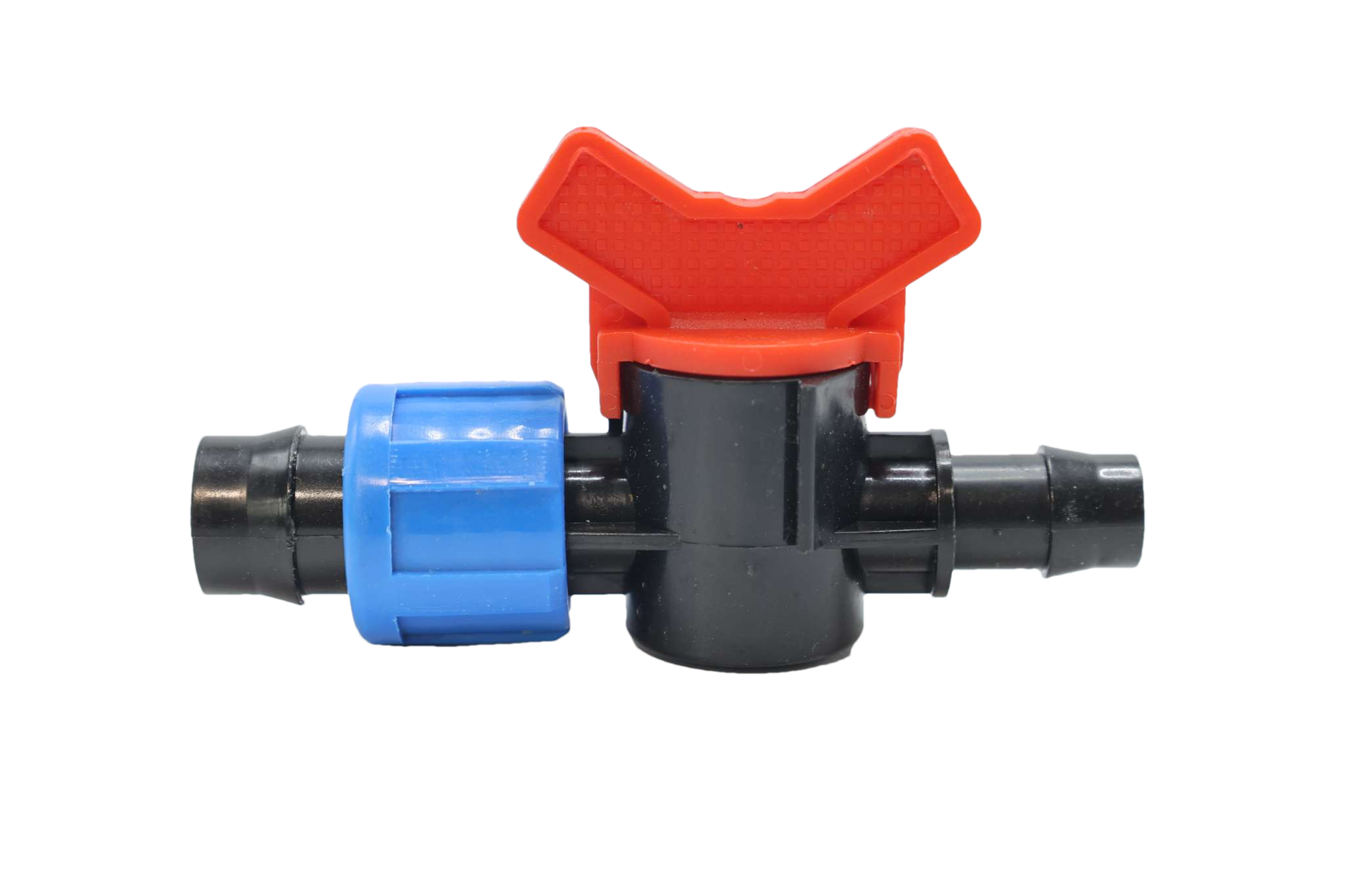
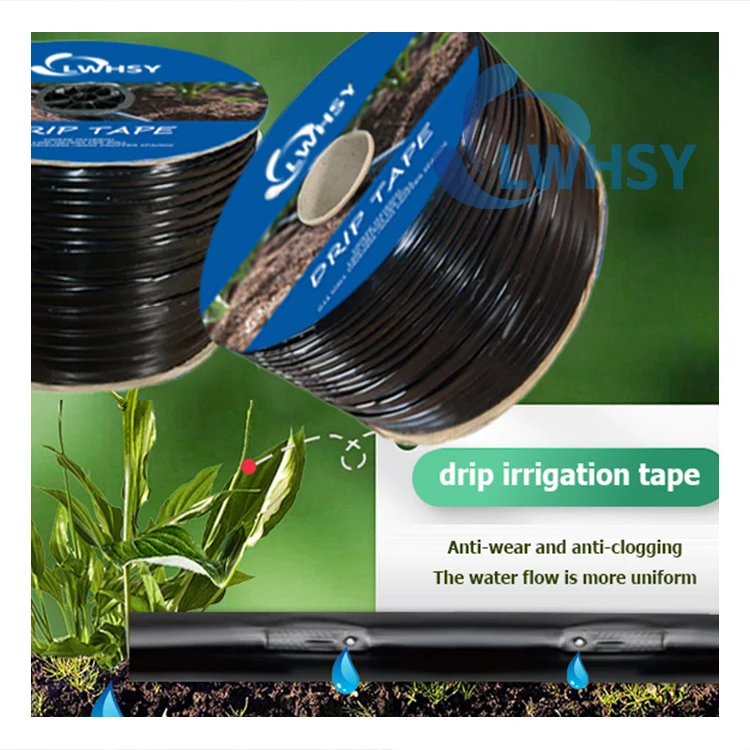
Water-saving irrigation encompasses several distinct technological approaches, each suited to specific crops, soil conditions, and operational scales. Drip tape systems represent the most widely adopted configuration for row crops, utilizing thin-walled disposable tubing with integrated emitters spaced according to crop requirements. These systems excel in vegetable production, berry cultivation, and annual plantings where seasonal installation and removal align with planting cycles. The lightweight materials and simple installation requirements make drip tape economically viable even for operations with modest budgets.
For permanent crops like orchards, vineyards, and tree plantations, durable drip line systems with thicker walls and pressure-compensating emitters provide decades of reliable service. These configurations maintain consistent flow rates across varied terrain and elevation changes, ensuring uniform water distribution throughout large-scale operations. Subsurface drip irrigation represents the premium tier, with buried driplines protected from UV degradation, mechanical damage, and surface interference, offering exceptional longevity and the ultimate in evaporation control. Each configuration embodies the core water-saving irrigation principle of precision delivery while addressing specific operational requirements and investment parameters.
The Agricultural Imperative Behind Water Conservation
Resource Scarcity and Economic Pressure
Global freshwater availability continues declining as agricultural, industrial, and municipal demands intensify across populated regions. Many prime agricultural zones now face strict water allocation limits, escalating extraction costs, or direct competition with urban water supplies. For farming operations, water-saving irrigation has transitioned from optional efficiency improvement to essential infrastructure for maintaining production viability. Regions spanning California's Central Valley, Mediterranean basin countries, Australia's agricultural districts, and vast areas across Asia now mandate water-efficient irrigation for new agricultural developments or impose volumetric pricing that makes wasteful practices economically unsustainable.
The economic argument for water-saving irrigation extends beyond direct water cost savings to encompass energy efficiency, labor reduction, and yield improvements. Pumping costs decrease proportionally with reduced water volumes, delivering immediate operational savings particularly significant for operations relying on deep wells or elevated delivery. Automated water-saving irrigation systems eliminate labor-intensive manual irrigation tasks, allowing workforce reallocation to higher-value activities. Perhaps most compellingly, consistent moisture management through water-saving irrigation typically increases marketable yields by fifteen to thirty percent across most crop types, directly enhancing revenue while simultaneously reducing per-unit production costs.
Climate Adaptation and Production Stability
Increasingly erratic precipitation patterns and extended drought periods have made irrigation reliability critical for consistent agricultural production. Water-saving irrigation provides farmers with precise control over moisture availability regardless of natural rainfall variations, essentially decoupling production outcomes from weather unpredictability. This control becomes particularly valuable during critical growth stages when moisture stress can dramatically reduce yields or quality characteristics that determine market value. Vegetable growers, fruit producers, and specialty crop farmers rely on water-saving irrigation to deliver consistent product specifications that meet buyer requirements and maintain premium market positioning.
The climate resilience enabled by water-saving irrigation extends to protecting soil structure and long-term productivity. Conventional irrigation methods that saturate soil surfaces promote compaction, erosion, and nutrient leaching, gradually degrading the agricultural resource base. Water-saving irrigation maintains soil in optimal moisture ranges without saturation cycles, preserving beneficial soil structure, microbial activity, and organic matter content. This protection of soil health translates into sustained productivity across decades rather than the gradual fertility decline often observed under conventional irrigation regimes.
Technical Implementation and System Design
Planning and Infrastructure Requirements
Successful water-saving irrigation implementation begins with comprehensive site analysis and system design tailored to specific field conditions. Critical factors include water source capacity and quality, field topography and size, soil texture and infiltration rates, crop water requirements, and climate parameters. Professional design ensures adequate filtration to prevent emitter clogging, appropriate pressure regulation for uniform distribution, and correct emitter spacing and flow rates matched to crop needs and soil characteristics. These foundational design decisions determine whether the water-saving irrigation system achieves its potential efficiency or underperforms due to technical mismatches.
Infrastructure components for water-saving irrigation systems include pumping equipment, filtration units, pressure regulators, main and sub-main distribution lines, control valves, and the dripline or emitter network itself. While initial investment exceeds conventional irrigation costs, typical payback periods range from two to four years through combined water savings, energy reduction, yield improvements, and labor efficiency. Many agricultural regions offer subsidies, grants, or low-interest financing specifically supporting water-saving irrigation adoption, further improving project economics and accelerating implementation feasibility for operations of all scales.
Automation and Precision Management
Modern water-saving irrigation systems increasingly incorporate automation and sensor technology that optimize application timing and volumes based on real-time conditions. Soil moisture sensors positioned throughout fields provide continuous feedback on actual water status within root zones, triggering irrigation only when thresholds indicate genuine crop need. Weather-based controllers adjust schedules according to evapotranspiration rates calculated from temperature, humidity, wind, and solar radiation data, automatically reducing applications following rainfall or during cooler periods with lower crop water demand.
Advanced water-saving irrigation platforms integrate fertigation capability, allowing precise nutrient delivery through the irrigation system synchronized with crop development stages. This combination of water and nutrient management through a single infrastructure maximizes input efficiency while minimizing environmental losses. Remote monitoring and control via smartphone applications enable farmers to manage water-saving irrigation systems from any location, responding immediately to changing conditions or equipment issues. This technological integration represents the evolution of water-saving irrigation from simple hardware to comprehensive crop management systems that optimize multiple production variables simultaneously.
Impact on Crop Production and Farm Operations
Yield Enhancement and Quality Improvement
Water-saving irrigation delivers measurable production benefits beyond resource conservation, directly impacting crop yields and marketable quality. Consistent moisture availability throughout critical growth periods eliminates stress-induced yield reductions common under rainfed or inadequate irrigation conditions. Vegetables maintain optimal size, color, and texture characteristics. Fruits develop superior sugar content, firmness, and shelf life. Field crops achieve fuller grain development and higher test weights. These quality improvements frequently translate into premium pricing that substantially enhances revenue beyond simple yield increases.
The precision delivery characteristic of water-saving irrigation also reduces disease pressure and pest issues associated with excessive moisture on foliage and soil surfaces. Drip systems keep leaves dry, minimizing fungal disease development that plagues overhead irrigation approaches. Reduced surface moisture limits weed germination and establishment, decreasing herbicide requirements and manual weeding labor. The cleaner growing environment enabled by water-saving irrigation reduces input costs while producing crops with lower chemical residues, increasingly important for organic production and markets demanding reduced pesticide use.
Operational Efficiency and Labor Management
Water-saving irrigation fundamentally transforms labor requirements and operational workflows on farming operations. Automated systems eliminate the labor-intensive tasks of moving sprinkler equipment, managing flood irrigation gates, or monitoring overhead systems. This labor reduction proves particularly valuable amid widespread agricultural labor shortages and rising wage costs across developed agricultural regions. Workers previously dedicated to irrigation management can redirect efforts toward crop monitoring, pest scouting, harvest preparation, and other activities that directly enhance production outcomes rather than simply maintaining basic crop survival.
The operational predictability enabled by water-saving irrigation extends to planning and resource management across entire growing seasons. Farmers can schedule planting, cultivation, and harvest operations with confidence that moisture conditions will support optimal timing rather than being constrained by rainfall patterns or irrigation system limitations. This scheduling flexibility improves equipment utilization, reduces weather-related delays, and allows more precise coordination with labor availability and market windows. The cumulative effect transforms farming from reactive crisis management into proactive production optimization.
Environmental Benefits and Sustainability Contributions
Water Resource Protection and Ecosystem Health
The broader environmental significance of water-saving irrigation extends well beyond individual farm boundaries to watershed and regional ecosystem health. Reduced agricultural water extraction lessens pressure on rivers, streams, and aquifers that support diverse ecological communities and provide municipal water supplies. In regions where agriculture dominates water consumption, widespread water-saving irrigation adoption can restore environmental flows critical for aquatic habitat, riparian vegetation, and wildlife populations that depend on adequate water availability throughout seasonal cycles.
Water-saving irrigation also dramatically reduces agricultural runoff that carries sediment, nutrients, and pesticides into surface waters. Because precision systems deliver water directly to root zones at rates matching soil infiltration capacity, virtually no surface runoff occurs under proper management. This containment of agricultural inputs within field boundaries protects downstream water quality, reduces eutrophication of lakes and coastal waters, and minimizes contamination of drinking water sources. The pollution prevention achieved through water-saving irrigation represents a critical contribution to meeting increasingly stringent environmental regulations while maintaining agricultural productivity.
Energy Efficiency and Carbon Footprint Reduction
The energy efficiency inherent in water-saving irrigation delivers significant greenhouse gas emission reductions compared to conventional irrigation approaches. Pumping represents the primary energy consumption in irrigated agriculture, with energy requirements directly proportional to water volumes moved. By reducing applied water by forty to sixty percent, water-saving irrigation achieves corresponding energy savings that translate into lower operating costs and reduced carbon emissions. For operations using electric pumps, these savings directly reduce grid electricity demand. For diesel-powered systems, fuel consumption drops proportionally with water volume reductions.
Additional carbon footprint benefits emerge from improved nitrogen use efficiency under water-saving irrigation management. Conventional irrigation practices frequently leach applied nitrogen below root zones through excessive water application and poor timing, wasting fertilizer investment while creating groundwater contamination risks. Water-saving irrigation maintains nutrients within the active root zone, increasing crop nitrogen uptake while reducing losses. Since nitrogen fertilizer production involves substantial fossil fuel consumption and manufacturing emissions, improved nitrogen efficiency represents an often-overlooked climate benefit of water-saving irrigation adoption across large agricultural areas.
FAQ
How much water does water-saving irrigation actually save compared to traditional methods?
Water-saving irrigation typically reduces water consumption by forty to sixty percent compared to flood or conventional sprinkler irrigation, with exact savings depending on crop type, climate conditions, soil characteristics, and previous irrigation efficiency. In arid climates with high evaporation rates, savings can exceed seventy percent. These reductions result from eliminating evaporation losses, preventing runoff, minimizing deep percolation beyond root zones, and delivering water only where and when crops actually need it. Over a growing season, a farm transitioning from flood irrigation to drip systems might reduce water use from eight hundred millimeters to three hundred millimeters while maintaining or improving yields, representing a dramatic conservation achievement with immediate economic and environmental benefits.
What crops benefit most from water-saving irrigation systems?
Water-saving irrigation proves beneficial across virtually all crop types, but delivers most dramatic advantages for high-value vegetables, fruits, nuts, and specialty crops where quality premiums justify system investment and where precise moisture control directly impacts marketable characteristics. Tomatoes, peppers, cucurbits, berries, grapes, tree fruits, and nursery stock show particularly strong responses to consistent moisture management. Row crops including cotton, corn, and soybeans increasingly adopt water-saving irrigation in water-scarce regions where conventional irrigation becomes economically or physically impossible. Even forage crops and pastures benefit from drip tape systems in areas with limited water availability, though lower crop values require careful economic analysis to ensure positive returns on infrastructure investment.
Can existing farms retrofit water-saving irrigation or does it require complete infrastructure replacement?
Most farming operations can successfully retrofit water-saving irrigation into existing infrastructure with moderate modifications rather than complete replacement. Existing wells, pumps, and main distribution lines typically remain serviceable, requiring only addition of filtration equipment, pressure regulation, and the distribution network of driplines or emitters. Fields previously flood irrigated may need minor leveling to eliminate excessive slopes that could affect pressure uniformity. The retrofit process typically occurs gradually, with farmers converting individual fields or blocks over several seasons rather than entire operations simultaneously, spreading investment costs while gaining operational experience. This incremental approach reduces financial barriers and allows adjustments based on initial results before full-scale implementation across entire farming enterprises.
What maintenance requirements come with water-saving irrigation systems?
Water-saving irrigation systems require regular but straightforward maintenance focused primarily on preventing emitter clogging and ensuring system integrity. Filtration equipment needs periodic cleaning or cartridge replacement depending on water quality and system design. Routine flushing of driplines at season start and periodic intervals removes accumulated sediment. Visual field inspections identify damaged lines, clogged emitters, or leaks requiring repair. Chemical treatments may be necessary in situations with problematic water quality containing high mineral content, biological growth potential, or suspended particles. Overall maintenance time remains considerably lower than labor requirements for conventional irrigation methods, with most operations dedicating only a few hours weekly to system oversight during active growing seasons. Properly maintained water-saving irrigation systems provide fifteen to twenty years of reliable service before requiring major component replacement.
Table of Contents
- Defining Water-Saving Irrigation Technology
- The Agricultural Imperative Behind Water Conservation
- Technical Implementation and System Design
- Impact on Crop Production and Farm Operations
- Environmental Benefits and Sustainability Contributions
-
FAQ
- How much water does water-saving irrigation actually save compared to traditional methods?
- What crops benefit most from water-saving irrigation systems?
- Can existing farms retrofit water-saving irrigation or does it require complete infrastructure replacement?
- What maintenance requirements come with water-saving irrigation systems?