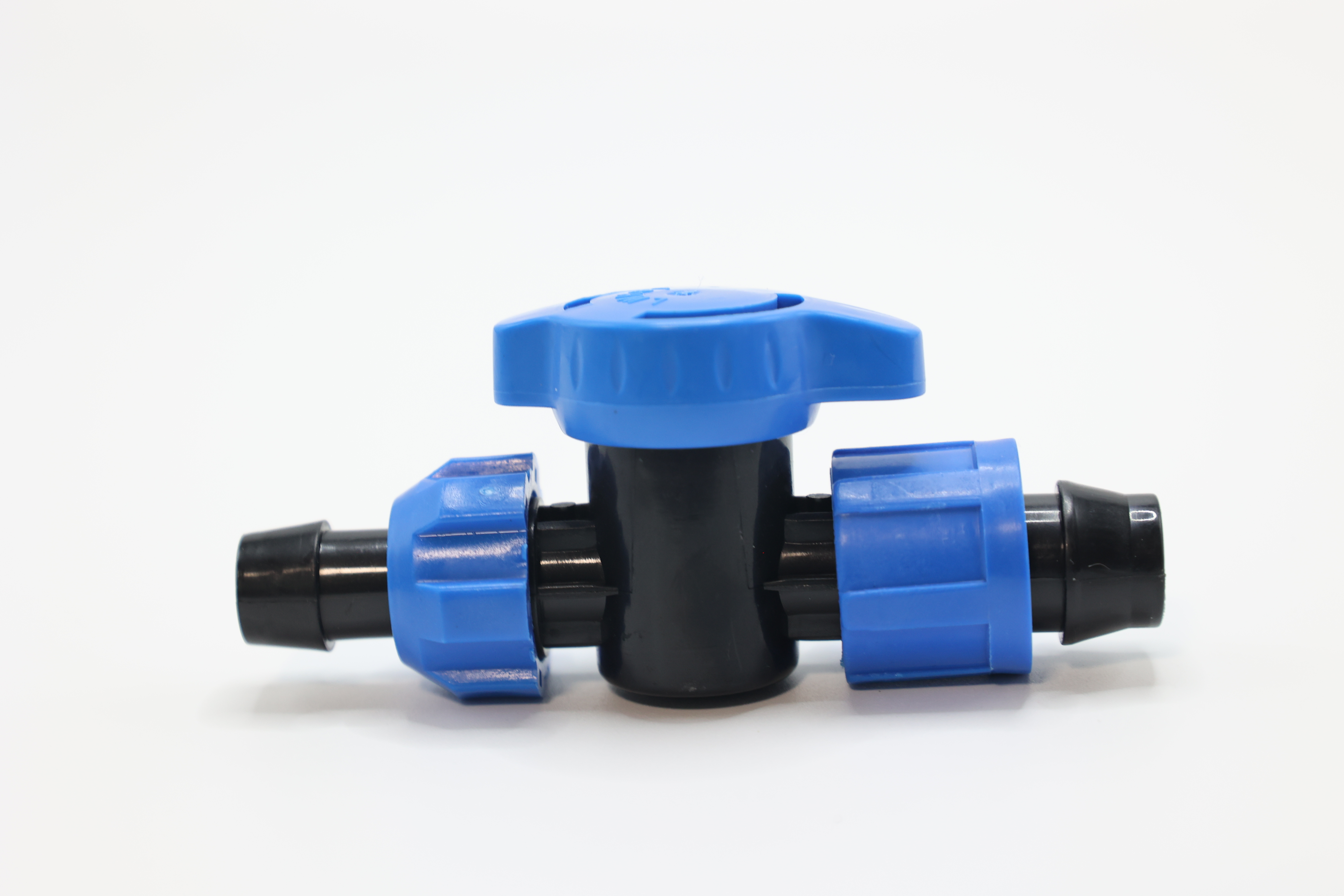
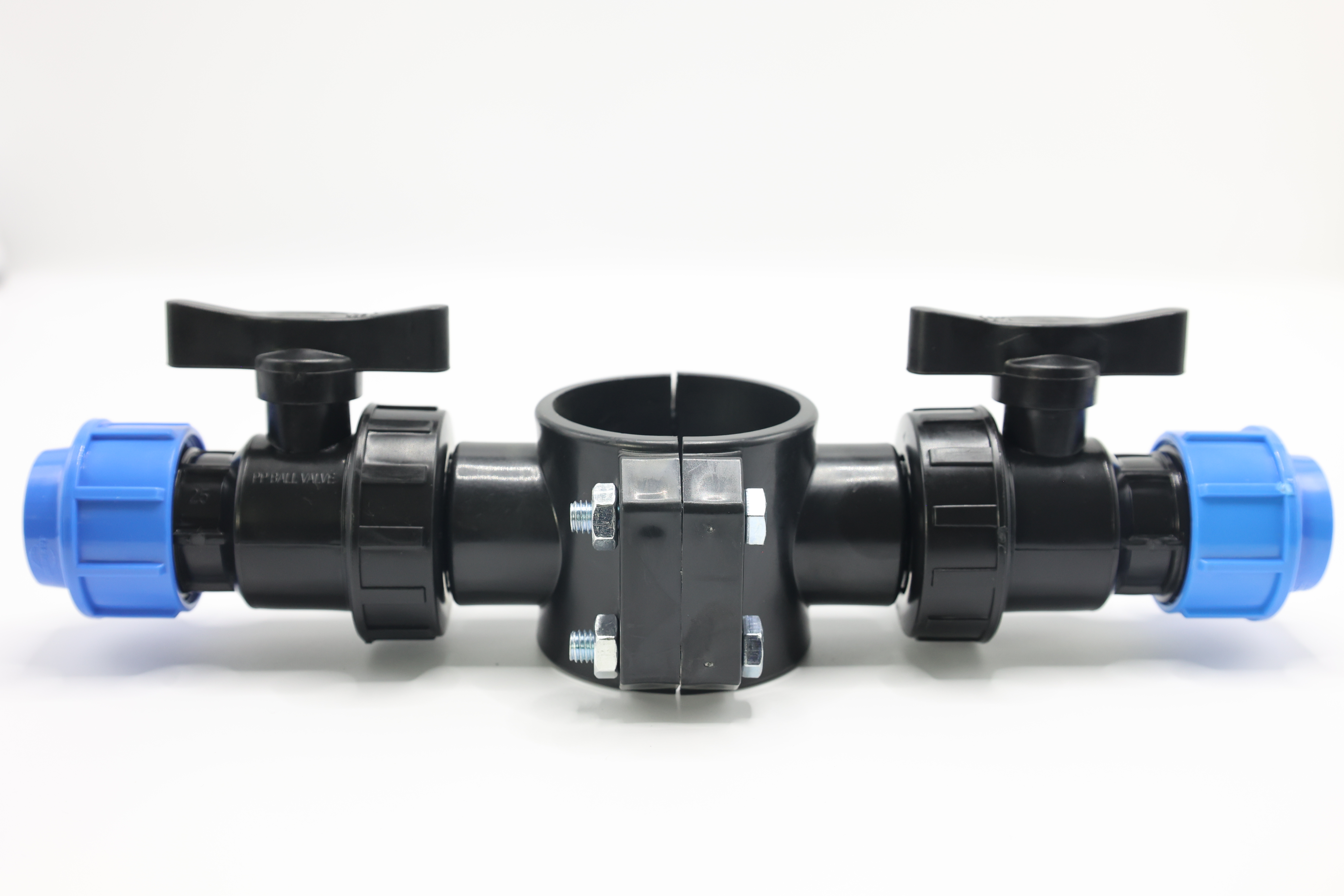
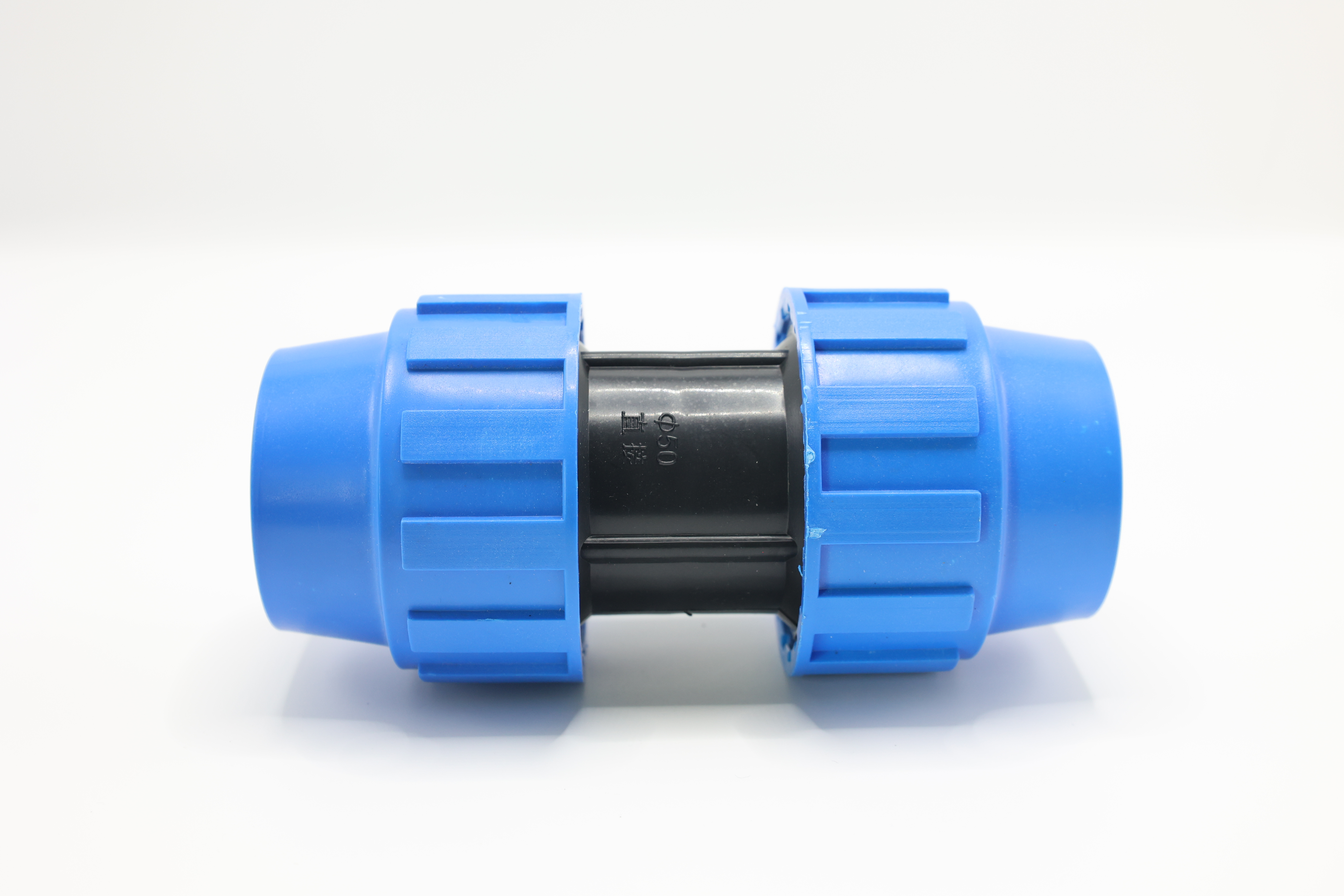
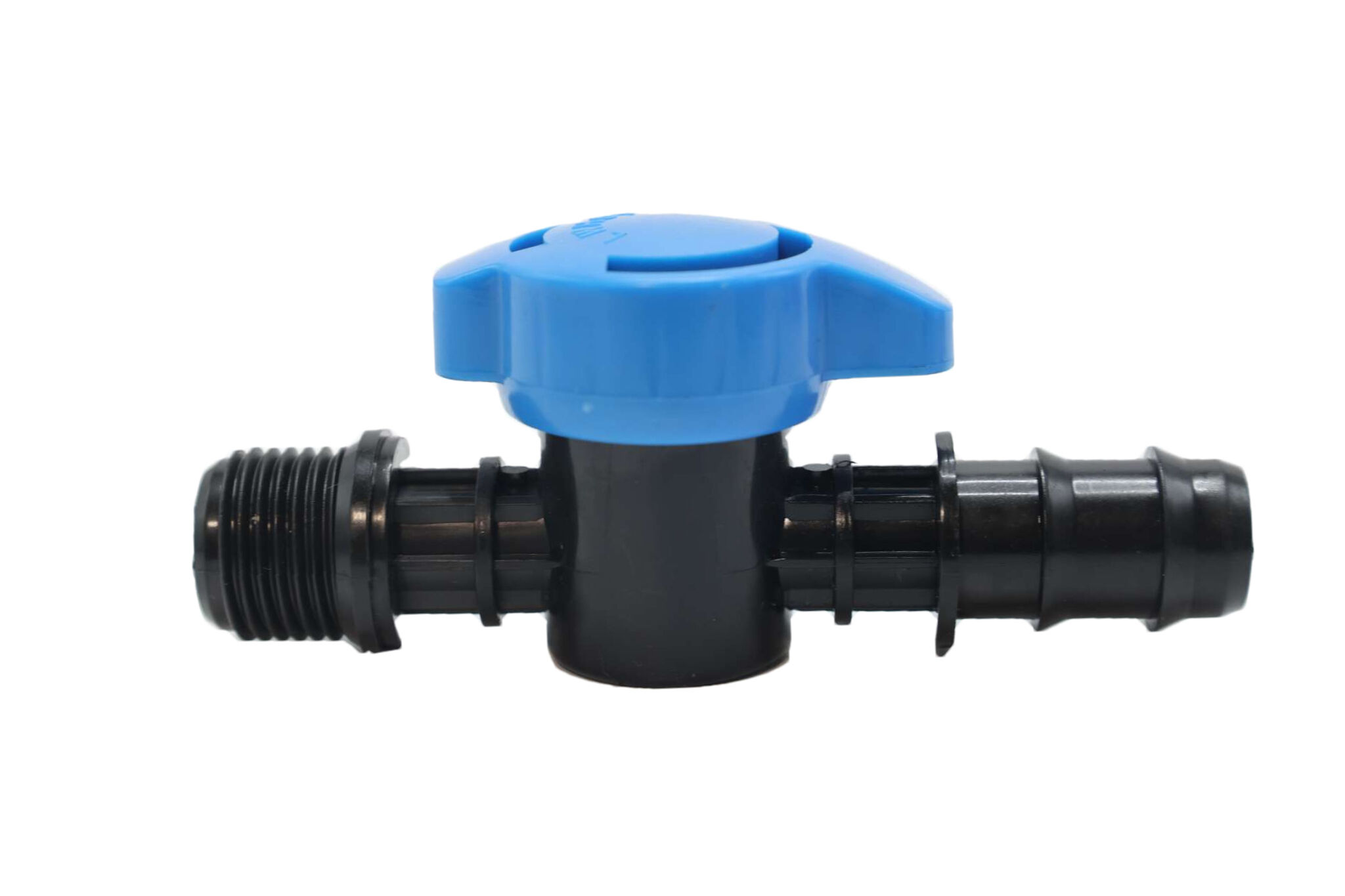
The significance of drip irrigation lies in its fundamental paradigm shift, offering solutions to the most pressing challenges facing modern agriculture. Its core importance is evident in addressing global water scarcity. Traditional irrigation methods result in significant losses through evaporation and runoff. By delivering water and nutrients directly and precisely to the crop root zone, drip irrigation technology can conserve up to 60% of water usage. In an era of increasingly frequent droughts, this represents not only economic benefits but also the cornerstone of sustainable agriculture.
Beyond water conservation, drip irrigation significantly enhances crop yield and quality. By maintaining a stable, optimal moisture environment in the root zone, it effectively prevents water stress-induced crop damage. This promotes healthier plant growth and fuller fruit development, typically yielding 30% to 50% higher crop production. This means farmers can achieve greater harvests with fewer resources.
Operationally, drip irrigation technology drastically reduces reliance on labor and lowers overall costs. Once installed, the system can be easily automated, eliminating the time-consuming tasks of moving hoses and monitoring irrigation. This frees up labor for higher-value agricultural activities, boosting overall farm efficiency and profitability.
From an environmental sustainability perspective, drip irrigation represents a responsible agricultural practice. By precisely delivering water and nutrients to the root zone, it minimizes leaching into deeper soil layers and groundwater. This effectively reduces chemical fertilizer and pesticide runoff by up to 80%, protecting nearby rivers and ecosystems while mitigating agricultural nonpoint source pollution.
Finally, drip irrigation technology significantly expands agricultural boundaries, enabling efficient cultivation in sandy soils, steep slopes, and arid/semi-arid regions. By overcoming adverse natural conditions through precise water delivery, it prevents soil erosion on slopes, reduces deep percolation in sandy soils, and effectively increases the world's arable land area. Thus, drip irrigation agriculture is not merely an irrigation tool—it represents a pivotal pathway toward a more productive, efficient, and sustainable agricultural future.

 EN
EN