
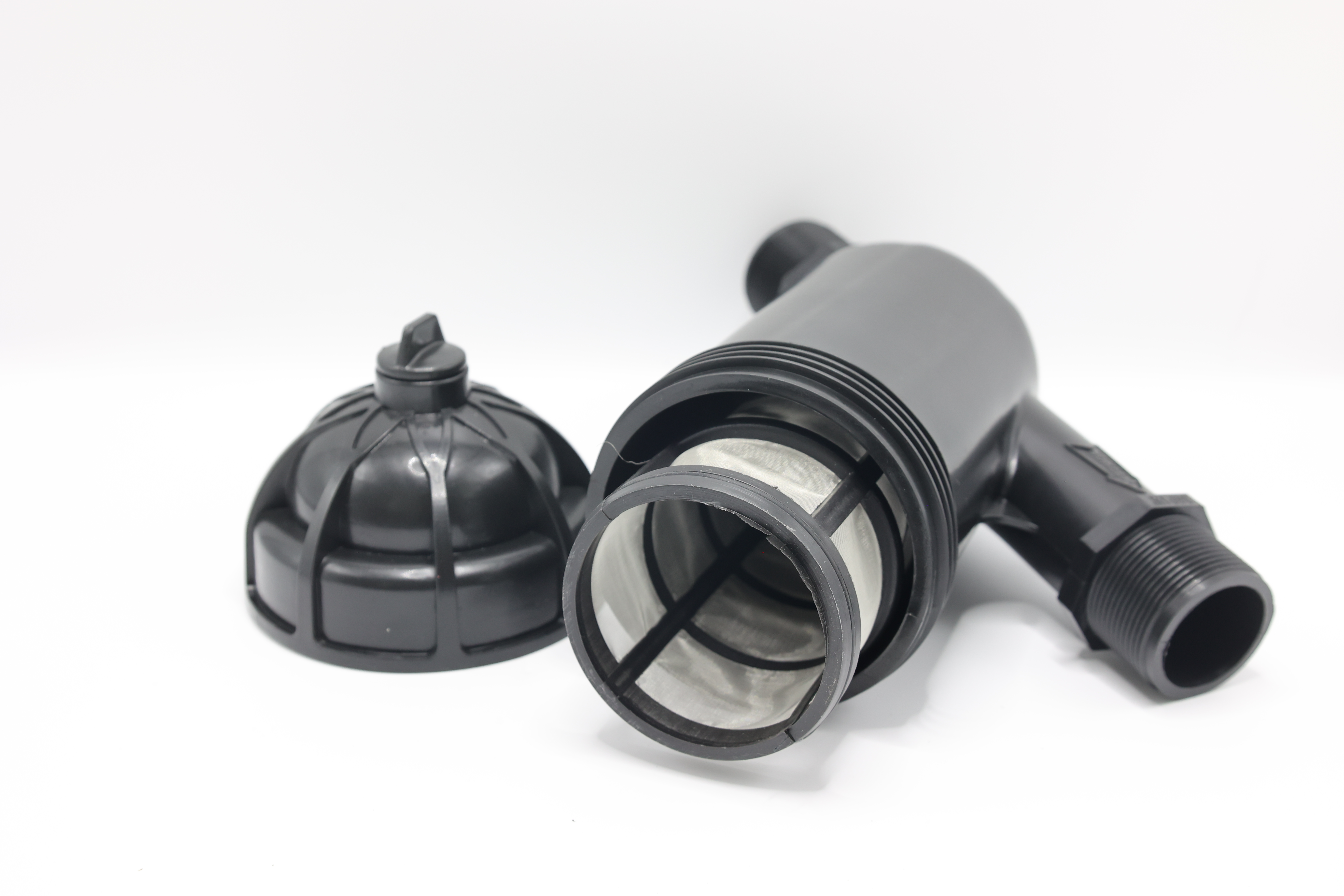
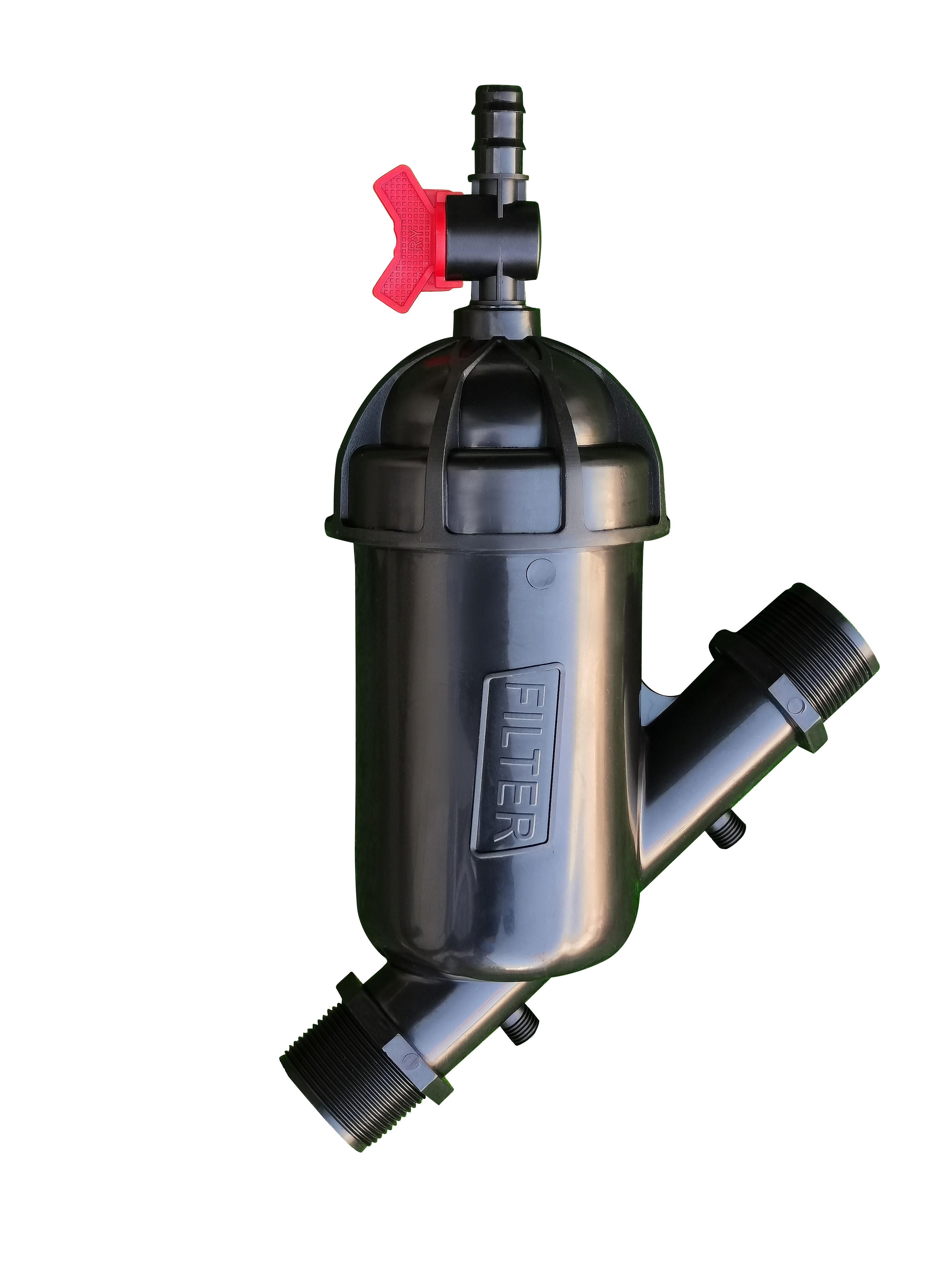

Drip irrigation filters are core components for achieving precision irrigation and protecting system investments. Their applications are extremely broad, covering nearly all areas requiring efficient water-saving irrigation. In commercial agriculture and large-scale farms, they are essential for ensuring high and stable crop yields. Whether it's kilometers of drip lines for tomatoes and strawberries or precise watering for each tree in orchards and vineyards, filters effectively remove sediment and organic impurities from river or lake water. This prevents emitter clogging and ensures every plant receives uniform moisture.
In controlled environments like greenhouses and hydroponic facilities, drip irrigation filters play an even more critical role. The emitters used in these systems—such as misting nozzles and drip arrows—are highly delicate and demand exceptional water quality. High-quality filters effectively prevent clogging caused by impurities or scale buildup, ensuring precise nutrient solution delivery while filtering out potential pathogens in the water. This safeguards the healthy growth of high-value crops.
For landscaping and public utilities—including city parks, golf courses, and residential gardens—drip irrigation filters are central to ensuring long-term system stability and reducing maintenance costs. They process municipal recycled water or lake water, guaranteeing uniform irrigation for greenery and maintaining pristine landscapes. Furthermore, in professional nurseries and specialty cultivation—whether for container seedlings, potted flowers, or saplings—irrigation uniformity directly impacts commercial value and survival rates, where filters play a crucial safeguarding role.
Finally, in the vital field of water resource recycling, drip irrigation filters are indispensable. When utilizing household graywater or treated wastewater for irrigation, the presence of significant suspended solids and impurities necessitates efficient filtration before safe integration into drip irrigation systems, thereby maximizing water resource utilization. In summary, from vast farmlands to home gardens, from high-tech greenhouses to urban green spaces, wherever drip irrigation is employed, the protection of drip irrigation filters is indispensable.