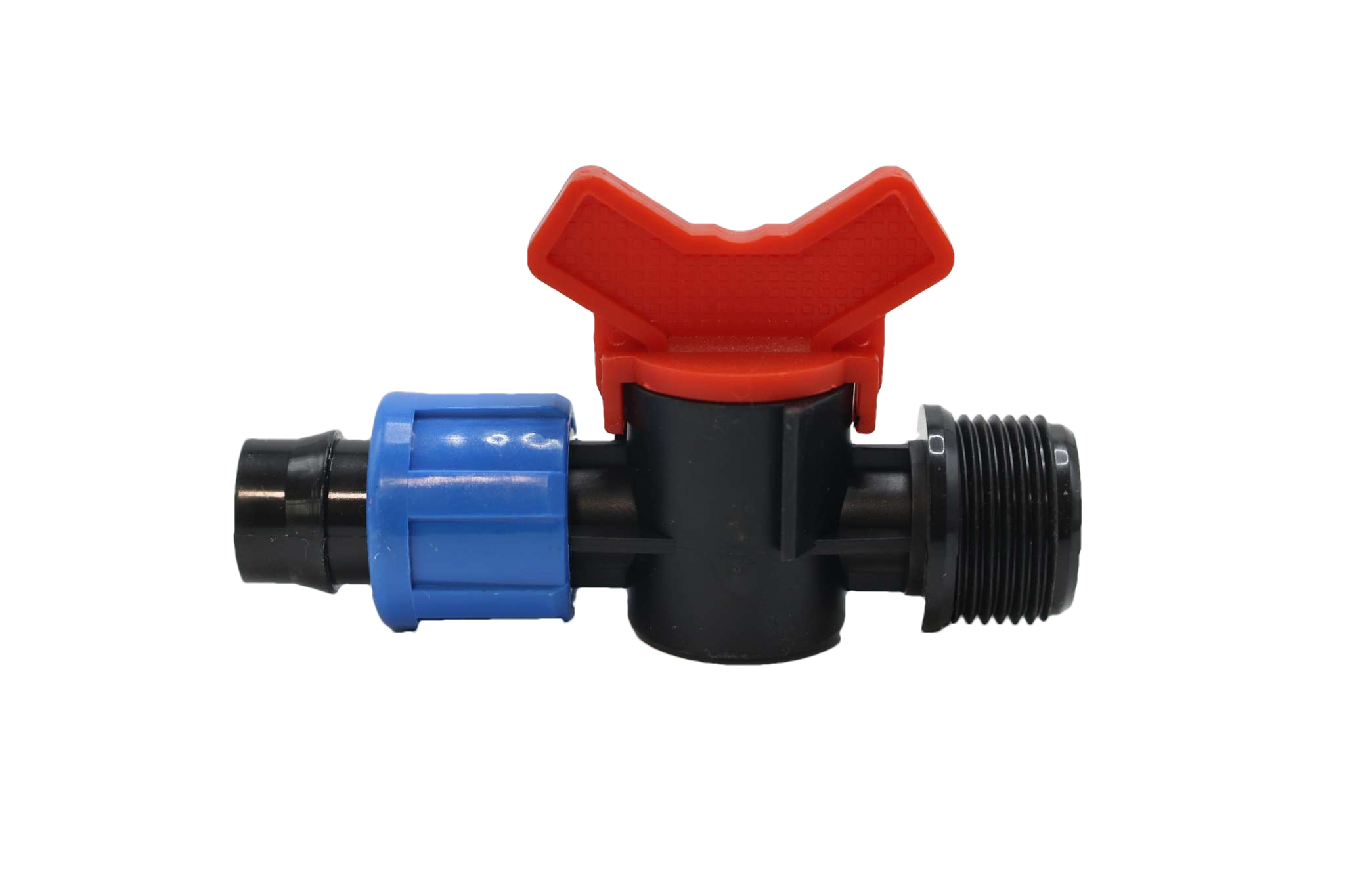
The Revolutionary Significance of Drip Irrigation Systems: Why They Are an Inevitable Choice for Modern Horticulture
In today's pursuit of efficiency and sustainability, drip irrigation systems have far surpassed the category of “just another watering tool.” Their importance lies in the fundamental transformation they bring to plants, users, and the entire environment.
First, the core advantage of drip irrigation lies in its unparalleled water efficiency. Compared to traditional flood irrigation and sprinkler systems, drip irrigation delivers water directly to plant roots through tubing, enabling precise watering. This method minimizes water loss from evaporation, runoff, and deep percolation, with studies showing water savings of 30% to 70%. This not only directly reduces household water and electricity expenses but also represents a responsible approach to precious resources amid increasingly strained global water supplies.
Second, this precise irrigation method delivers a qualitative leap in plant health and growth. Stable soil moisture prevents plants from experiencing stress due to drought or waterlogging, encouraging roots to grow deeper. This cultivates stronger, more drought-resistant plants. Simultaneously, keeping stems and foliage dry significantly reduces fungal diseases caused by moisture. Ultimately, this translates into more vigorous growth and higher yields of fruit and flowers.
Moreover, drip irrigation systems deliver unparalleled convenience and time savings. Once installed and connected to an automatic timer, the entire irrigation process becomes fully automated. This means your garden receives consistent, attentive care whether you're traveling for business or vacation. It liberates people from the daily drudgery of lugging hoses to water plants, freeing up more time to enjoy the pleasures of gardening rather than its labors.
Finally, its significance extends to broad environmental and ecological benefits. Since water is delivered only to target plants, weed growth is significantly suppressed. Simultaneously, the slow, permeating drip effectively prevents soil erosion and the formation of runoff rich in fertilizers and pesticides, reducing pollution of groundwater and rivers. Thus, choosing drip irrigation is not merely an optimization of personal garden management but a concrete action toward sustainable environmental practices.
In summary, the true value of drip irrigation systems lies in replacing inefficient, wasteful traditional methods with an intelligent, precise scientific approach. It stands as a highly rewarding investment in modern horticulture. Its comprehensive benefits—water conservation, plant health, labor savings, and environmental protection—establish it as an indispensable foundation for contemporary smart gardening.

 EN
EN