
 EN
EN
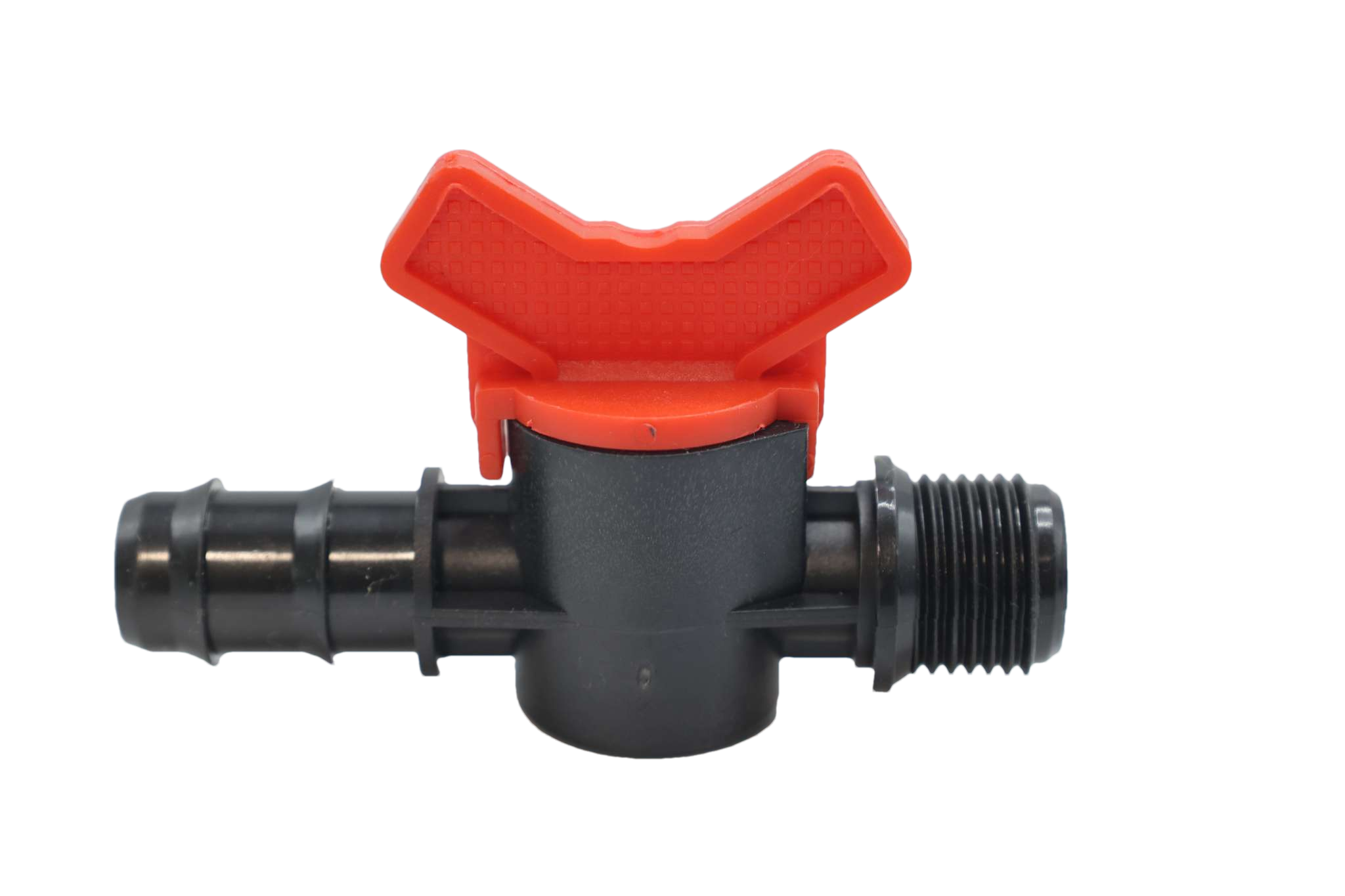
Precision Irrigation Pressure Control for Uniform Water Distribution
Stabilizing Dynamic Flow Pressures During Peak Irrigation Demand
During peak irrigation periods, farms face major pressure swings as several irrigation zones kick in at once. These sudden changes can jump over 30% beyond normal levels, leading to patchy watering and hurting plant growth across fields. AK Type bypass valves help manage this issue by channeling away extra water flow through built-in pathways, keeping system pressure stable within about 5% of what's needed. Most pressure compensating emitters work best when they get steady pressure around 10 to 50 pounds per square inch. When there's no proper control, those higher pressures wear out pipes faster and increase leaks significantly. Some studies show leakage risks go up nearly 18% under these conditions, which means wasted water and money down the drain for growers.
Preventing Drip Emitter Clogging and Improving Application Uniformity via Bypass Flow Logic
Sudden increases in water pressure tend to shake loose sediment buildup inside irrigation pipes. This is actually one of the main reasons why those tiny drip emitters get clogged so often, causing anywhere from 15 to 30 percent loss in how evenly water gets distributed across fields. The solution? Bypass valves do a pretty smart job at managing this problem. Basically, whenever the main water line gets too pressurized beyond what's set as normal, these valves kick in and send extra water through backup channels rather than letting it push all those particles right into the emitters. Keeping things flowing smoothly at consistent speeds along the lateral lines helps prevent most of that sediment from settling down again. And if farmers also install proper filters alongside these systems, they typically see application uniformity above 95 percent. That kind of consistency matters a lot for precision irrigation work because sections that don't get enough water might cut crop yields by around 20 percent while areas getting too much just end up wasting both water and energy resources.
Protecting Irrigation Infrastructure Against Hydraulic Stress and Failure
Mitigating Water Hammer and Surge Damage in Polyethylene Mainlines
When pumps start or stop suddenly or valves close too fast, they create damaging pressure waves called water hammer that sometimes reach over twice what the system normally handles. Even though polyethylene (PE) pipes don't corrode like metal ones do, they still face serious problems from these pressure surges including stress cracks along the pipe walls, failed joints, and worst case scenario, big leaks. The AK Type bypass valve acts quickly when these sudden pressures hit, automatically opening up to redirect extra water flow and knock down those dangerous pressure spikes. These valves help keep things stable in the system, which means PE piping lasts about 30% longer in high pressure drip irrigation setups. That translates to fewer repairs needed and less unexpected shutdowns all while keeping existing infrastructure intact instead of having to rebuild everything from scratch.
Boosting Water Use Efficiency and Reducing Irrigation Waste
Enabling Zone-Specific Moisture Targeting Without Controller Upgrades
Bypass valves that are advanced enough can keep pressure stable throughout different parts of an irrigation system. They work by moving water around when there's not much demand, which stops sudden spikes in pressure. At times when everyone needs water at once, these valves help maintain even distribution across all areas. The precision of this mechanism allows farmers to target exactly where moisture is needed most. This matters a lot for delicate plants such as strawberries and leafy greens that get damaged easily by excess water. Best part? Farmers don't need to install expensive new equipment or reprogram their systems. Most growers find they can continue using what they already have while getting better control over soil moisture levels right at the roots. Real world tests have shown some farms saving almost half their water usage. Plus, pumping costs drop significantly too. All these improvements happen without spending big bucks on fancy automation upgrades.
Selecting the Right Bypass Valve for Demanding Agricultural Irrigation Conditions
UV-Stabilized PPS Housing and EPDM Seals for Long-Term Resilience in High-Salinity, Sediment-Prone Water Sources
Agricultural settings can be really tough on equipment, especially when dealing with water that has lots of salt content, dirt particles floating around, or constant sunlight beating down. That's why we need parts built to last longer. Take UV stabilized PPS materials for example these special housings don't break down like regular plastics do after just two or three growing seasons under direct sunlight. They keep their shape and strength much better. And then there are those EPDM seals people talk about so much in farming circles. These rubber seals actually hold up well against all sorts of harsh conditions farmers face daily, making them pretty essential for long term reliability in field operations.
- Salt resistance: Withstands chloride concentrations exceeding 5,000 ppm without hardening or cracking
- Sediment tolerance: Maintains sealing integrity under particulate loads up to 300 ppm
- Temperature resilience: Operates reliably from –40°C to 150°C
When used in high TDS drip systems, this particular material mix can boost valve lifespan anywhere from 60% to almost double what standard valves last. Field tests conducted over five years across California's Central Valley showed something pretty impressive too. Valves constructed with these specs needed far fewer emergency repairs - around 47% fewer actually. That means farmers get consistent water flow when their crops need it most during those crucial growing periods. And let's not forget about money either. The overall cost to own and operate drops significantly with these longer lasting valves.
FAQ
What are the main benefits of using AK Type bypass valves in irrigation systems?
AK Type bypass valves help stabilize pressure within about 5% of optimal levels, preventing water waste and pipe wear, improving irrigation efficiency, and prolonging infrastructure lifespan.
How do bypass valves prevent drip emitter clogging?
These valves redirect excess water flow away from the main line, preventing sediment buildup from reaching emitters, which helps maintain flow consistency and reduces clogging risks.
What makes UV-stabilized PPS housing and EPDM seals suitable for irrigation equipment?
They provide excellent resistance against UV exposure, high salinity, and sediment-laden water while maintaining structural integrity and sealing performance under extreme conditions.
Can existing irrigation systems be upgraded with bypass valves without new investments?
Yes, these valves can be integrated into current systems to improve moisture targeting and distribution efficiency without requiring substantial new investments or controller upgrades.
Table of Contents
- Precision Irrigation Pressure Control for Uniform Water Distribution
- Protecting Irrigation Infrastructure Against Hydraulic Stress and Failure
- Boosting Water Use Efficiency and Reducing Irrigation Waste
- Selecting the Right Bypass Valve for Demanding Agricultural Irrigation Conditions
-
FAQ
- What are the main benefits of using AK Type bypass valves in irrigation systems?
- How do bypass valves prevent drip emitter clogging?
- What makes UV-stabilized PPS housing and EPDM seals suitable for irrigation equipment?
- Can existing irrigation systems be upgraded with bypass valves without new investments?