
 EN
EN
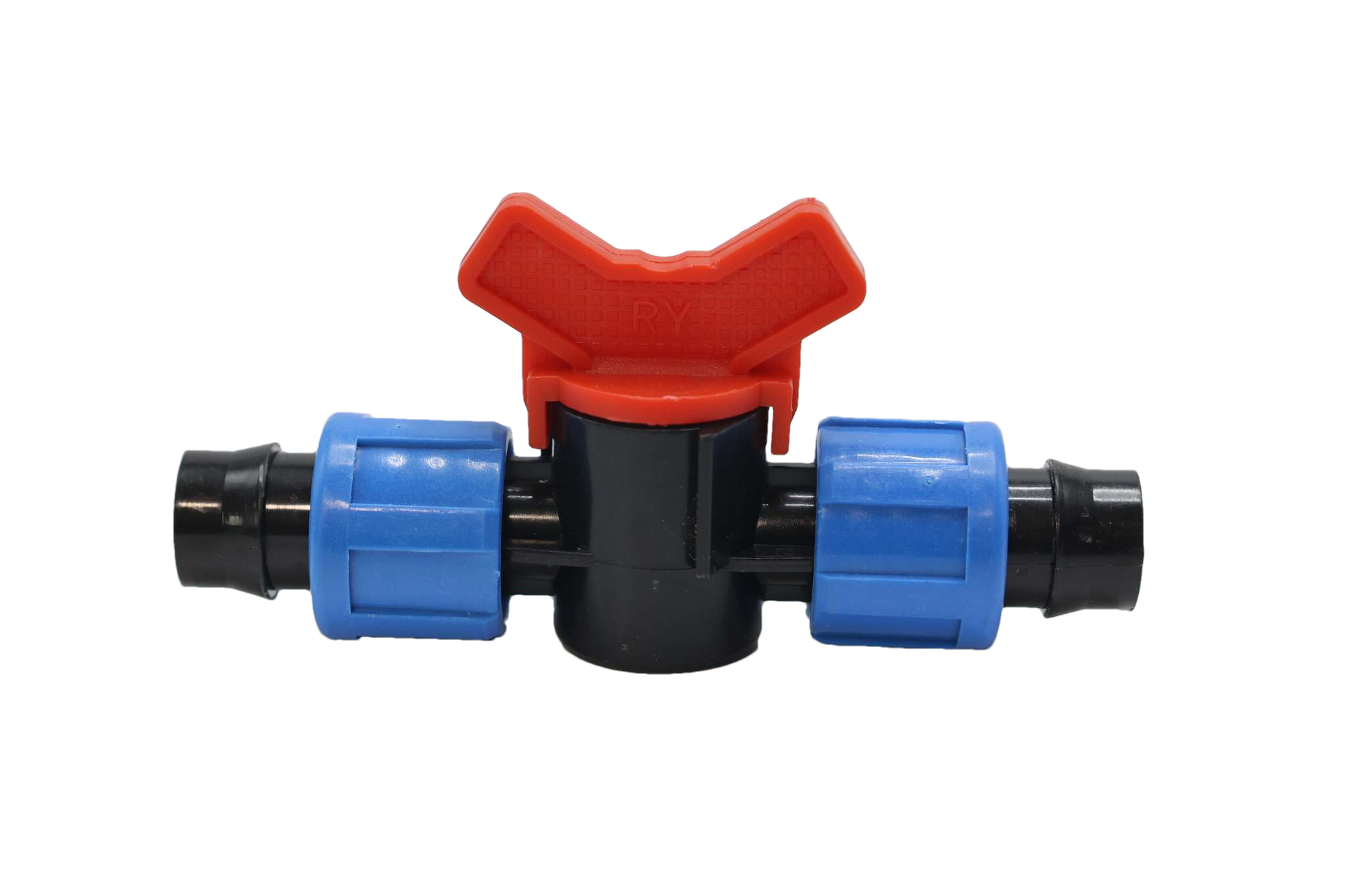
Core Function and Technical Identity of the AK Type Bypass Valve
How the AK Valve Achieves Automatic Pressure Bypass Without External Power
The AK Type Bypass Valve helps control those sudden pressure jumps that happen in drip irrigation systems. It works entirely mechanically using a spring and diaphragm setup, so there's no need for any power source or someone standing around adjusting things manually. When the system pressure goes above what it's set for usually somewhere between 2 and 3 bar the valve kicks in right away and sends extra water through another path instead. This kind of automatic reaction stops those expensive emitter failures when pumps surge or valves get shut too quickly. Tests done out in actual fields show these valves cut down on pressure swings by about 40 percent when compared with regular fixed-orifice models. That means farmers can count on getting even water distribution throughout their fields regardless of how hilly or flat the land happens to be.
Key Structural Features That Distinguish AK Valves from Standard Irrigation Bypass Valves
AK valves integrate engineering innovations not found in conventional models:
- Bimetal thermal actuators, which self-compensate for temperature-driven pressure shifts
- Modular flow channels, engineered for 30â50% greater debris tolerance
- Hybrid manual/auto operation, ensuring uninterrupted function during power loss
- Integrated pressure sensors, delivering real-time response in under 0.2 seconds
These features support reliable performance in silt-laden water sources while safeguarding sensitive components like drip emitters. Unlike standard valves that demand periodic recalibration, the AKâs self-regulating design sustains ±5% pressure stability throughout irrigation cycles.
Critical Role in Pressure Regulation and Irrigation System Protection
Stabilizing Emitter Flow Across Variable Terrain and Line Lengths
AK valves help fix those annoying pressure problems that happen when there are elevation differences or long lateral lines running through fields - these are pretty big headaches for anyone working with drip irrigation systems. What makes them work so well is their ability to let out extra pressure on their own, which keeps water flowing evenly from all the emitters. No more drowning plants at the bottom of hills while the ones going uphill get parched. When pressure swings go beyond about 15 psi without something controlling it, distribution uniformity drops around 40%, according to what we've seen in practice. But systems that have AK valves installed tend to stay above 85% uniformity even across sloped terrain. And this matters because farmers want their crops getting roughly the same amount of water no matter where they're planted in relation to the ground's contour.
Mitigating Clogging, Leakage, and Burst Risks in Low-Pressure Drip Irrigation
Sudden pressure surgesâcommon during pump startups or zone switchingâstrain low-pressure micro-irrigation components. Unprotected systems frequently experience spikes above 40 psi, weakening connector joints and increasing leakage risk by 200%, per irrigation engineering analyses. The AK valve mitigates this by capping pressure at safe, pre-set levels, thereby:
- Reducing sediment dislodgment that leads to emitter clogging
- Preventing pipe bursts triggered by water hammer
- Extending the service life of diaphragms in pressure-compensating emitters
This protection is essential where components operate optimally within narrow 10â30 psi ranges.
Measurable Water-Saving Impact and Irrigation Efficiency Gains
Improving Distribution Uniformity (DU) by 8â15% in Field-Validated Drip Systems
The AK Type Bypass Valve really helps improve how water gets distributed through drip irrigation systems. Tests done on actual farms have shown these valves can boost Distribution Uniformity by around 8 to 15 percent. That means less of those frustrating problems where some plants get too much water while others barely get any because of pressure differences. Farmers notice fewer dry patches and wasted water running off, which is particularly helpful when dealing with fields that aren't flat. Even when there are changes in elevation or longer lateral lines, these valves keep the pressure steady at each emitter point. Studies from agricultural researchers indicate that for every 10 percentage point improvement in DU, farmers typically see about 5 to 7 percent better yields in crops that need careful watering management like tomatoes and various berry types.
Real-World Water Savings: 12â18% Reduction in Applied Volume Under Arid Conditions
AK valves cut down on water usage by around 12 to 18 percent in dry areas, all while keeping crop yields intact. The main reasons for this saving include fixing those pesky emitter leaks, cutting down on overall system losses, and getting better at controlling pressure levels throughout irrigation systems. Farmers dealing with drought conditions have seen their seasonal water consumption drop between 1,200 and 1,800 cubic meters per hectare. To put that into perspective, imagine emptying enough water to fill 480 Olympic sized swimming pools over just 1,000 hectares of farmland. Research published in peer reviewed journals from 2020 through 2023 backs up these findings across different parts of the world. Look at places like California's Central Valley and Israel's Negev Desert where growers are actually producing similar harvests but using about 15 percent less water than before. And the good news doesn't stop there either. Most farmers find that the initial investment pays itself back pretty quickly, usually within one or two growing seasons after installation.
FAQ
What is the primary function of the AK Type Bypass Valve?
The AK Type Bypass Valve automatically manages pressure surges in drip irrigation systems without external power, enabling stable water distribution and preventing damage to the system.
How does the AK Valve operate without power?
The valve relies on a mechanical spring and diaphragm system, which automatically redirects excess water when pressure exceeds a set threshold.
How does the AK Valve improve water distribution efficiency?
By reducing pressure swings, the AK Valve enhances Distribution Uniformity (DU) by 8-15% and maintains consistent pressure across varied terrains.
What are the water-saving benefits of the AK Type Bypass Valve?
Farmers report a 12-18% reduction in water usage in arid conditions, while maintaining crop yields, due to less emitter leakage and better system management.