
 EN
EN
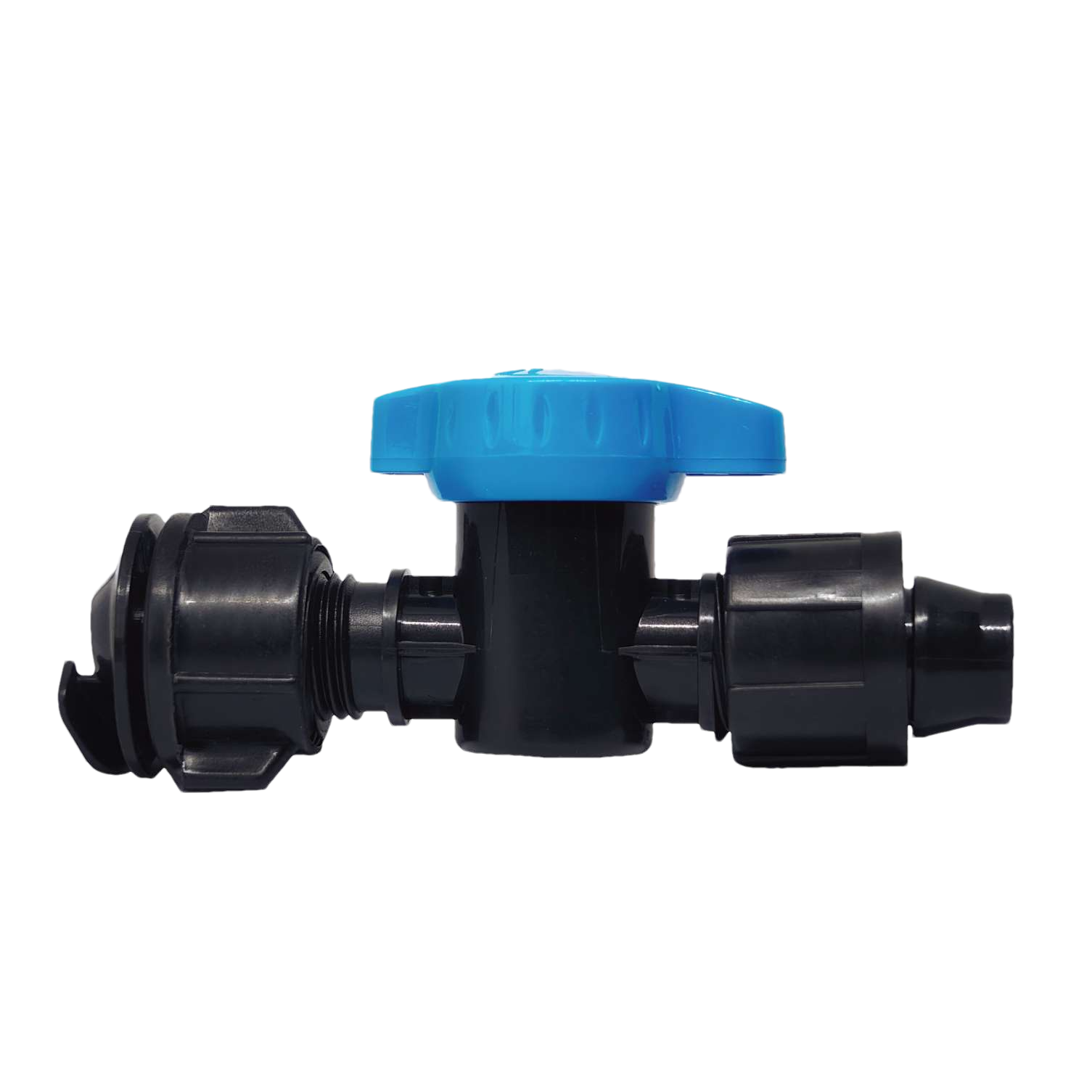
Understanding Bypass Valves and Their Role in Irrigation Systems
What Are Bypass Valves and How Do They Function?
Bypass valves serve as pressure regulators that help keep irrigation systems safe from damage when there are abrupt changes in water flow. These valves kick in whenever the water stops flowing suddenly, like what happens when zone valves close down or pumps shut off. They work by sending extra water back where it came from, which helps maintain steady pressure throughout the system. Many newer irrigation setups now come equipped with smart valves that have built-in sensors for automatic operation. This automation cuts down on the need for manual monitoring by around 40 percent according to industry data from last year. Farmers and landscape managers appreciate this because it saves them time while still protecting their equipment investments.
Preventing Hydraulic Shock and Pressure Spikes
Water hammer happens when water flow suddenly stops, creating those damaging pressure surges everyone dreads in piping systems. The solution? Bypass valves act as safety valves basically letting excess water find another route instead of crashing into dead ends. We've seen real results too especially in complex systems with multiple zones where valves keep opening and closing all day long. A well set up bypass valve can cut down those dangerous pressure peaks by around 70% give or take depending on setup, and works best in three way valve arrangements according to field engineers. Without this kind of protection, pipes just end up cracking over time from all that stress, which nobody wants to deal with during maintenance checks.
Integration with Zone Valve Systems for Optimal Flow Control
When paired with zone valves, bypass valves improve flow management by:
- Balancing pressure between active and inactive zones
- Compensating for elevation differences on sloped terrain
- Reducing pump cycling during partial-load operations
This coordination minimizes stress from repeated pressure fluctuations, a leading cause of premature valve failure in systems over five years old, thereby extending equipment lifespan.
Identifying and Fixing Common Bypass Valve Leaks
Common Leak Points Near Zone Valves
Leakage in bypass valves typically occurs at high-stress junctions within the system. The most vulnerable areas include:
- Valve body joints where pipes connect to zone valves
- Threaded fittings near pressure regulators
- Seal interfaces between diaphragms and housing
These points endure constant pressure shifts that accelerate wear. Field data shows that 42% of leaks originate within 12 inches of zone valves (2024 Irrigation Valve Study), highlighting the need for targeted inspection and maintenance.
Causes of Leakage: Cracks, Improper Installation, and Seal Failure
Three primary factors lead to bypass valve leaks:
- Material fatigue: Repeated hydraulic shocks create microfractures in PVC or brass components
- Installation errors: Over-tightened fittings that strip threads or misaligned gaskets
- Seal degradation: UV exposure and mineral buildup harden rubber washers over time
Improper torque application during installation accounts for 68% of early-life failures, according to valve integrity research. Thermal expansion in sun-exposed systems further exacerbates these issues, contributing to seasonal leak patterns.
Step-by-Step Guide to Sealing or Replacing Faulty Connections
- Isolate the valve and depressurize the system using the master shutoff
- Identify leak sources with a soap-bubble test: Apply diluted dish soap to suspect areas and observe for foam formation
- Tighten connections to manufacturer specifications (typically 1/4 turn past hand-tight for PVC)
- Replace compromised seals using NSF-61 certified parts
- Pressure-test repairs by gradually restoring flow while monitoring gauges
For persistent threaded joint leaks, use thread sealant compounds rated for irrigation systems. Allow a full 24-hour cure before reactivating the system.
Diaphragm Failures: Causes, Symptoms, and Solutions
Bypass valve reliability depends heavily on diaphragm durability, with field studies linking 62% of irrigation system failures to diaphragm degradation. Proactive detection and proper material selection can extend service life by up to 300% compared to reactive replacement strategies.
Recognizing Valve Diaphragm Issues: Early Warning Signs
Erratic zone operation and unstable pressure often indicate diaphragm problems. Key warning signs include:
- Intermittent water hammer noises during startup
- Pressure gauge oscillations exceeding ±15 PSI
- Visible warping or mineral accumulation around the diaphragm housing
Early identification enables timely intervention before cascading system damage occurs.
Material Fatigue and Environmental Stress Factors
Chemical corrosion from fertilizers and UV exposure account for 78% of premature diaphragm failures. Temperature extremes accelerate material fatigue, with elastomers losing 40% of their flexibility after 1,200 thermal cycles. These environmental stressors significantly shorten operational life without protective measures.
Best Practices for Diaphragm Replacement and Longevity
Follow these protocols to maximize diaphragm performance:
- Use NSF-61 certified elastomers compatible with local water chemistry
- Install UV-resistant sleeves on exposed valves
- Conduct annual thickness checks using ultrasonic testers
- Replace diaphragms every 3-5 years using torque-controlled tools
Align replacement schedules with manufacturer guidelines and regional water quality data. Systems using predictive maintenance see 55% fewer diaphragm-related outages than those relying on fixed calendar intervals.
Proper Installation and Prevention of Structural Damage
Root Causes of Cracked or Improperly Installed Bypass Valves
Most problems with bypass valve structures actually come down to how they're installed rather than manufacturing defects. The main culprits tend to be things like improper bedding materials, issues with thermal expansion when temperatures change, and way too much torque applied during assembly. Take plastic fittings for instance - many technicians still over tighten them thinking it makes things more secure. But this creates tiny cracks that just get bigger every time the system goes through normal pressure changes. These hidden flaws not only mess with how well the hydraulics work but also make leaks far more likely. Some field reports suggest leakage rates jump as high as 40% in setups where proper support wasn't provided during installation.
Critical Installation Errors and How to Avoid Them
Three common mistakes cause 65% of bypass valve malfunctions:
- Misaligned piping inducing lateral stress on housings
- Ignoring manufacturer torque specs on threaded joints
- Using incompatible sealants that degrade elastomer seals
To prevent these issues, calibrate tools to recommended settings and verify alignment at all connection points. Only apply sealants rated for irrigation pressures (typically 50-150 PSI) to ensure long-term compatibility.
Recommended Protocols for Durable, Leak-Free Installation
Adopt a three-phase approach for reliable installation:
- Pre-installation checks: Confirm valve ratings match system pressure and flow requirements
- Bedding and backfilling: Use angular gravel to evenly distribute load and prevent settling
- Post-installation validation: Perform pressure tests at 1.5— operating pressure for 30 minutes
Regular seasonal inspections for cracks or seal wear can reduce long-term repair costs by 30-50%. Always follow hydraulic engineering standards when designing complex networks to maintain balanced pressure distribution.
Proactive Maintenance and Long-Term Bypass Valve Performance
Building a Preventive Maintenance Schedule
Putting together a good preventive maintenance schedule cuts down on bypass valve problems by around 60% when compared to just fixing things after they break down. What needs doing? Well, every three months the moving parts should get some lubricant applied, pressure relief valves need checking against their set points, and those rubber diaphragms inside have to be tested for how flexible they still are. Farmers working in areas with lots of sand will want to clean out the inside chambers once a month too since dirt buildup causes nearly a third of all early leaks according to recent studies from last year's irrigation reports. Timing these checks around when crops aren't using much water makes sense for most operations anyway, so nobody gets stuck waiting for repairs right when they need maximum system capacity.
Seasonal Inspection Checklists for Irrigation Bypass Valves
Spring and fall inspections should confirm:
- Winterization success: Check for freeze-induced cracks in PVC housings
- Seal integrity: Assess gasket pliability using standardized gauges
- Pressure calibration: Verify relief settings align with zone valve needs
Systems following seasonal checklists experience 73% fewer emergency repairs than those without formal protocols (2024 field study).
Smart Monitoring and Predictive Maintenance Trends
Modern irrigation systems now employ wireless pressure transducers and flow meters to monitor bypass valve performance in real time. These sensors detect early signs of deterioration such as:
- Delayed pressure relief (indicative of diaphragm stiffening)
- Micro-leaks revealed by abnormal flow rates
- Actuator response times exceeding manufacturer thresholds
Predictive analytics platforms alert technicians 30-45 days before expected component failure, reducing water waste by up to 18% in commercial applications. This shift from calendar-based to condition-driven servicing cuts maintenance costs by 40%.
FAQ
What are bypass valves used for in irrigation systems?
Bypass valves regulate pressure to prevent damage from sudden changes in water flow.
How do bypass valves prevent water hammer?
Bypass valves act as safety valves, rerouting excess water to avoid pressure surges.
Where do bypass valve leaks usually occur?
Common leak points are valve body joints, threaded fittings, and seal interfaces.
What causes diaphragm failures in bypass valves?
Failures are due to chemical corrosion, UV exposure, and environmental stress factors.