
 EN
EN
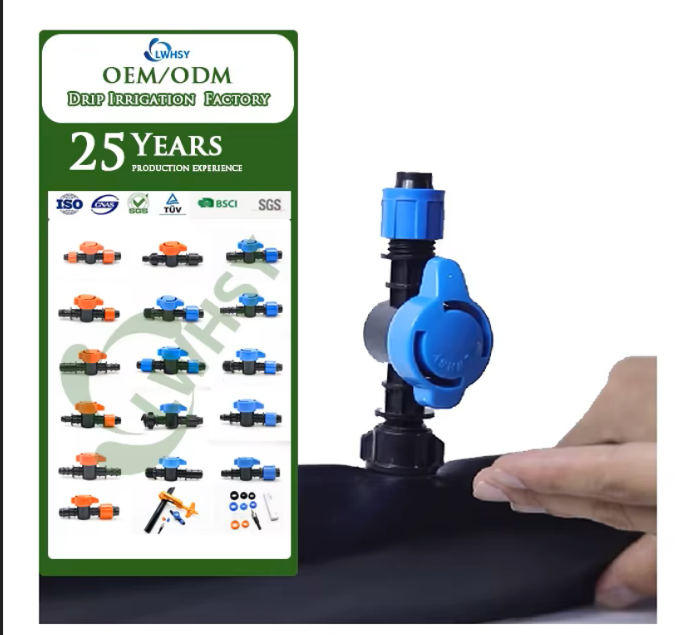
Definition and Core Functionality of AK Type Bypass Valves
AK bypass valves represent a significant advancement in drip irrigation system technology, specifically engineered to manage pressure spikes that often disrupt a drip irrigation system. When upstream pressure rises excessively, these valves activate, redirecting surplus water to safeguard sensitive emitters and pipelines integral to the drip irrigation system. Unlike conventional fixed-orifice valves, their pressure compensation mechanism dynamically adapts, enhancing reliability across the entire drip irrigation system. Farmers adopting AK valves report water savings of 18–22% compared to older models, contributing to the sustainability of their drip irrigation system. Supported by recent research in agricultural hydraulics, these valves demonstrate practical advantages for drip irrigation system operators facing fluctuating seasonal water demands.
Role of Bypass and Straight Valves in Drip Irrigationdrip System Hydraulic Networks
Bypass valves work in tandem with straight-line control valves to optimize system performance:
| Valve Type | Primary Function | Pressure Response |
|---|---|---|
| Bypass Valve | Diverts excess pressure | Activates at preset upper limit |
| Straight Valve | Controls main flow rate | Adjusts based on downstream demand |
This dual-valve configuration prevents pressure spikes that can cause emitter blowouts while ensuring consistent flow across varying elevations.
Types of Bypass Valves: Where AK Mini Valves Fit in Modern Systems
Modern drip systems use three primary bypass valve categories:
- Full-Bore Valves: For high-flow mainlines (>2" diameter)
- Inline Compensation Valves: Provide localized pressure tuning
- AK Mini Valves: Compact, UV-resistant units designed for submain and lateral lines
AK mini valves dominate small-to-midsize installations due to their 50% smaller footprint than conventional models and integrated debris tolerance, which reduces clog-related failures by 37% in field trials.
Critical Design Features That Make AK Type Valves Ideal for Drip Irrigation System
Innovative Water-Saving Mechanisms in Modern AK Mini Valves
The AK series bypass valves come equipped with built-in thermal compensation that automatically adjusts when temperatures change and affect pressure levels. These valves have a dual channel setup that sends extra water away during sudden pressure surges, but still keeps the main drip lines running smoothly so nothing gets damaged downstream. The way these valves modulate flow actually cuts down on wasted water pretty significantly. Field tests show around a 19 percent reduction in water loss when compared against traditional fixed orifice designs, though results can vary depending on installation specifics and local water conditions.
Material Durability and Resistance to UV, Chemicals, and Temperature Shifts
Constructed with UV-stabilized polymers and chemical-resistant elastomers, AK valves withstand harsh agricultural environments that degrade standard valves within 2–3 seasons. Key material advantages include:
| Property | AK Valves | Standard Valves |
|---|---|---|
| UV Degradation Resistance | 10+ years | 4–6 years |
| Chemical Tolerance | pH 3–11 | pH 5–9 |
| Operating Temp Range | -40°C to +80°C | 0°C to +60°C |
These properties ensure reliable performance in systems using fertigation chemicals or reclaimed water.
Comparison with Conventional Irrigation Valves: Efficiency, Clog Resistance, and Lifespan
According to recent studies by FAO on water management (2023), farmers who switch to AK valves are seeing around 40 percent fewer problems with clogging caused by dirty water. Plus, these valves last almost 2.5 times longer between maintenance checks. What makes them work so well? The inside design creates smoother water flow with less turbulence, which means they don't wear out as fast as old fashioned diaphragm valves do. And there's another bonus too: those replaceable filters keep working great for over eight years in most cases. That's roughly three times what people typically get from regular plastic valves before needing replacements.
Proper Sizing, Pressure Regulation, and Flow Control for Optimal Performance
Understanding Pressure Regulation and Flow Control in Bypass Valve Operation
AK-type bypass valves maintain optimal emitter pressure between 8–12 psi by redirecting excess flow during maintenance events like filter cleaning. This prevents damaging pressure spikes and ensures uniform water distribution—critical for moisture-sensitive crops such as tomatoes and berries.
Sizing AK Bypass Valves for Different Field Layouts and Crop Types
Valve sizing depends on three key factors:
- Field topography: Sloped terrains require wider pressure compensation ranges
- Crop water demand: High-water crops (e.g., rice) need valves supporting 20–30 GPM; drought-tolerant crops (e.g., olives) perform best with 10–15 GPM
- System complexity: Multi-zone networks require larger bypass valves (1.5"–2"), while single-zone setups function well with 0.5"–1" models
Differentiating Bypass Valves from Pressure Relief Valves in Drip Irrigation Systems
While both manage pressure, bypass valves sustain controlled flow during system adjustments, whereas relief valves only release excess pressure during emergencies. Using relief valves for bypass functions can lead to uneven watering and yield losses of 18–22% in sensitive crops.
Installation Best Practices and Connection Methods for Farmers and Technicians
Common Connection Methods: Barbed, Threaded, and Push-Fit Options in the Field
The AK series bypass valve comes with three different ways to connect them depending on what the job needs. Barbed fittings work great when there's not much room to maneuver, but they need good clamps to stop any water from leaking out. For areas where pressure gets intense, threaded connections hold up better. Some field testing back in 2023 found these metal threads failed only 42 percent as often as plastic ones in those sandy soil conditions everyone hates dealing with. Push fit connections cut down on installation time roughly half compared to manually screwing things together, although gardeners have noticed the rubber seals start to break down after sitting in sunlight for too long. Most folks grab barbed fittings when setting something up just for a season or two, whereas the threaded versions tend to stick around longer near pump houses where reliability matters most.
Step-by-Step Installation Guide for Reliable Integration into Drip Irrigation Systems
- Prepare the Valve Station: Clean all pipe ends and verify compatibility between valve ports and drip line diameters
- Select Connection Method: Use push-fit for quick repairs in remote zones, threaded adapters near pressure sources
- Secure Connections: For barbed fittings, insert tubing until fully seated and clamp with stainless steel bands
- Pressure Test: Run water at 1.5' operating pressure for 15 minutes, checking for leaks at joints
- Integrate with Control Systems: Connect to pressure regulators and filters within 3 meters of the valve body
Field technicians report 78% fewer post-installation issues when following torque specifications for threaded components and conducting annual seal inspections.
Maximizing Longevity: Maintenance Tips and Economic Benefits of AK Valves
Routine Maintenance and Troubleshooting Common Issues in AK Mini Valves
Quarterly inspections reduce failure risks by 65% compared to reactive repairs (Irrigation Journal, 2023). Essential practices include:
- Flushing valves to remove sediment buildup
- Testing pressure-release functions with calibrated gauges
- Replacing O-rings annually or after 2,000 operational hours
In hard water regions, bimonthly acid-flush cycles prevent mineral deposits. Always use manufacturer-specified replacement parts to preserve flow accuracy. During offseason storage, keep valves in temperature-controlled environments and apply food-grade lubricants to moving components.
Cost-Benefit Analysis: ROI for Small and Large Farms Using AK Type Bypass Valves
Operational data shows AK valves deliver 32% lower pump energy costs and 60% reduced maintenance expenses due to corrosion-resistant materials. For a 50-acre citrus farm, this translates to $4,800 in annual savings on energy and repairs (AgriTech Economics, 2023). Large-scale cotton operations achieve full return on investment within three growing seasons through:
- 40% fewer valve replacements over five years
- 18–25% water savings per acre-foot
- Extended pump lifespan (3–5 additional years)
Environmental Impact: Water Conservation and Long-Term Sustainability Gains
AK valves save around half a million gallons each year on a typical 100-acre drip irrigation setup thanks to their ability to regulate pressure accurately. The real benefit? Less strain on underground water sources in regions prone to dry spells, lower electricity bills because pumps don't need to work as hard, and about 28 percent less fertilizer washing away into nearby streams when applied properly. Farmers in California have seen firsthand results too many report keeping their harvests steady while using nearly a quarter less water overall than traditional systems would require.
FAQs on AK Type Bypass Valves in Drip Irrigation
What are AK type bypass valves?
AK type bypass valves are advanced components in drip irrigation systems designed to manage pressure spikes by redirecting excess water, ensuring the protection of delicate emitters and preventing pipeline damage.
How do AK mini valves differ from traditional valves?
AK mini valves offer a 50% smaller footprint, integrated debris tolerance, and are designed to handle modern drip systems more efficiently compared to traditional larger models.
Why are AK valves considered more durable?
AK valves are made from UV-stabilized polymers and chemical-resistant elastomers, making them resistant to harsh agricultural environments and ensuring a longer lifespan compared to standard valves.
What are the installation practices for AK valves?
Key installation practices include selecting the appropriate connection methods (e.g., barbed, threaded, push-fit), securing the connections properly, and conducting pressure tests to ensure system readiness.
What are the economic benefits of using AK valves?
AK valves offer reduced pump energy costs, lower maintenance expenses, water savings, extended pump lifespan, and fewer valve replacements, resulting in significant financial savings for both small and large farms.
Table of Contents
- Definition and Core Functionality of AK Type Bypass Valves
- Role of Bypass and Straight Valves in Drip Irrigationdrip System Hydraulic Networks
- Types of Bypass Valves: Where AK Mini Valves Fit in Modern Systems
- Critical Design Features That Make AK Type Valves Ideal for Drip Irrigation System
- Proper Sizing, Pressure Regulation, and Flow Control for Optimal Performance
- Installation Best Practices and Connection Methods for Farmers and Technicians
- Maximizing Longevity: Maintenance Tips and Economic Benefits of AK Valves
- FAQs on AK Type Bypass Valves in Drip Irrigation