 EN
EN
How Pull Ring Connectors Work in Irrigation Systems
Tool-less, leak-free assembly of polyethylene tubing for drip and micro-irrigation
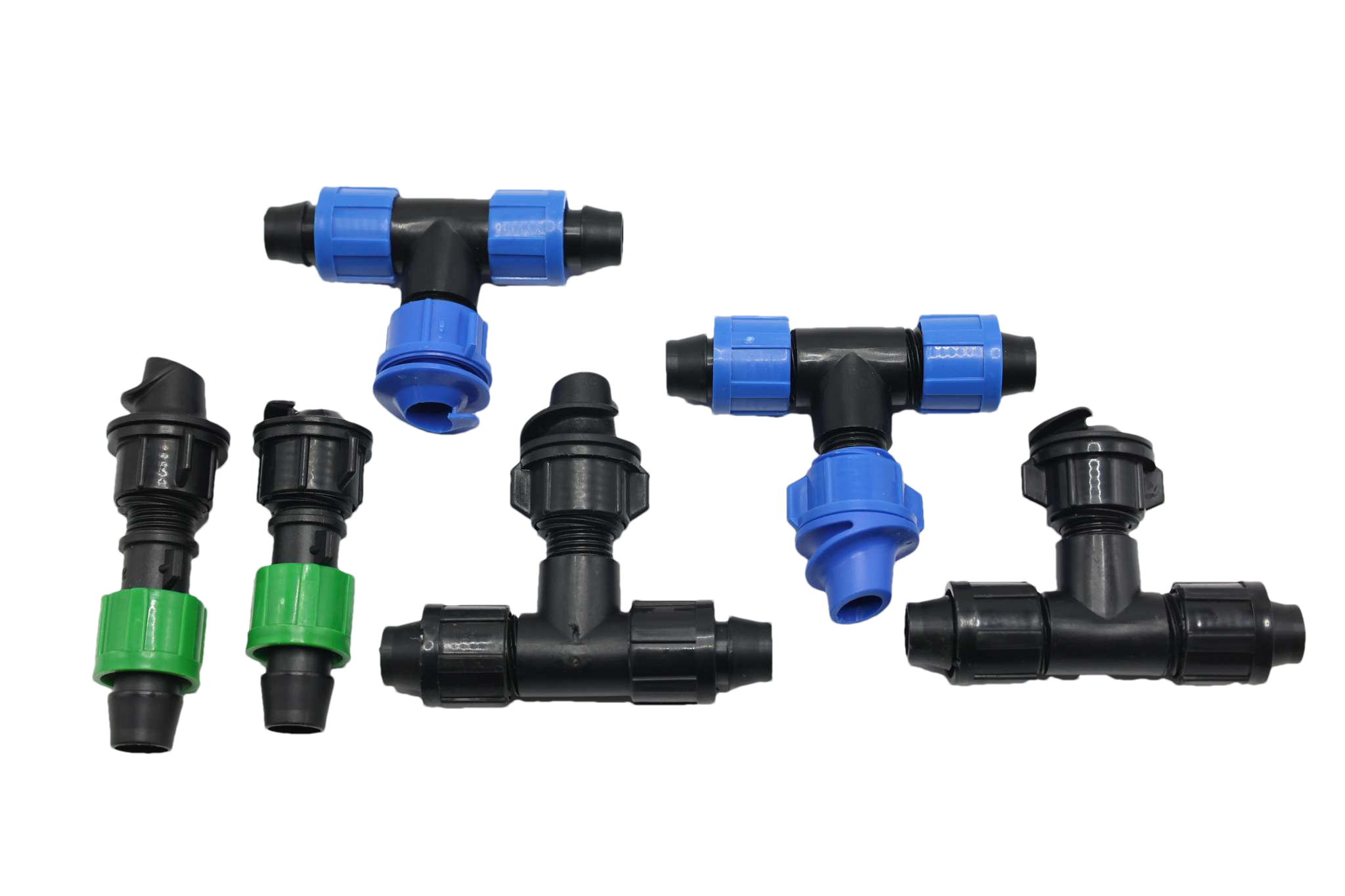
Irrigation system installations get much easier with pull ring connectors that create solid connections without any special tools needed for polyethylene tubing. The process works pretty straightforwardly actually installers just slide the tubing all the way onto the barbed part of the connector there’s no need for those pesky crimping tools, clamps or dealing with threads. When the installer pulls back on that little ring built into the connector, it triggers the seal. This action presses a UV resistant EPDM O ring against the side of the tube creating a tight bond right away. For folks working with low pressure drip systems running between 15 to 30 psi, these small details matter a lot because even tiny leaks can throw off water distribution completely. We’ve seen field tests showing around 40 percent fewer mistakes during installation when using these connectors instead of older methods. Plus, water flows evenly through different sections of the system which makes everything work better in the long run.
Key design features: barbed grip, pull ring actuation, and pressure-rated sealing
Three core engineering elements ensure field reliability:
- Barbed grip: Precision-molded angled ridges penetrate the tubing’s inner surface, delivering mechanical resistance against blow-offs during pressure surges up to 125 PSI
- Pull ring actuation: The color-coded ring slides forward during insertion and locks audibly and visibly when pulled back—providing instant, unambiguous confirmation of proper seating
- Pressure-rated sealing: EPDM O-rings are formulated for long-term resilience across extreme conditions (–40°F to 140°F) and resist degradation from fertilizers, chlorine, and acidic soil solutions
This integrated approach prevents mid-season failures that cause water waste, uneven crop stress, and yield loss. Constructed from UV-resistant polypropylene, these connectors maintain structural integrity in direct soil contact and withstand decades of thermal cycling—supporting 20+ year service life under real-world agricultural conditions.
Irrigation-Specific Factors That Drive Pull Ring Connector Pricing
Size, material (PE vs. POM), and UV/chemical resistance requirements for field conditions
The size of connectors makes a big difference in what they cost. When we look at larger diameter versions used for mainline applications, these consume way more polymer material compared to regular drip line sizes. This extra material drives up the price tag anywhere from 20 to 40 percent higher. Choosing different materials also affects how much money changes hands. Polyethylene is pretty affordable but still offers good protection against corrosion. On the other hand, polyoxymethylene comes with a steeper price point, usually around 25 to 35 percent more expensive because it handles stress better and keeps its shape under pressure in those high intensity pivot systems and lateral lines. What really matters though are those UV stabilizers and special additives that resist chemicals. These components aren’t optional when dealing with equipment exposed to sunlight or systems where fertilizers get injected straight into irrigation water. They typically bump up the basic cost by about 15 to 20 percent. A recent study published in 2023 looked at agricultural plastics showed something interesting too. Connectors treated with UV enhancements lasted three times longer before losing their flexibility in dry climates, which means farmers can replace them less often and ultimately save money on replacements over time.
Regional logistics, bulk order discounts, and irrigation project scale impact on landed cost
The final cost when goods arrive at their destination depends on where they’re going and how they get there. Shipping containers inland typically tack on around 12 to 18 percent extra fees, while storing products closer to big farming areas cuts down both travel time and money spent. Buying in large quantities really pays off too. Farms covering over 50 acres can usually negotiate discounts between 20 and 30 percent just because they need so much stuff. Take central pivot irrigation systems as an example. When farms install thousands of connectors, sometimes even 5,000 or more, the price per connector drops under 18 cents. Compare that to smaller operations using drip kits which often pay 25 cents or more each. Anyone doing cost calculations needs to remember about local taxes and those crazy price jumps during planting season. Getting supplies stocked before planting starts saves anywhere from 8 to 12 percent compared to buying during those expensive spring months. This helps create better budgets that actually work for real world situations instead of just theoretical models.
Total Cost of Ownership: Why Pull Ring Connectors Reduce Long-Term Irrigation Costs
Labor savings: 23% faster installation vs. compression fittings (2023 Irrigation Association data)
According to the 2023 Irrigation Association benchmark study, pull ring connectors save around 23% installation time when compared to traditional compression fittings. The faster installation means real money saved on labor costs, which matters a lot for big farms where every minute counts for technicians working tight schedules all day long. Best part? There’s no need for special tools, complicated torque specs, or any kind of certification either. This cuts down on training expenses and makes things run smoother between different crews since everyone doesn’t have to be an expert to get the job done right.
Water and yield protection: preventing leaks, blow-offs, and mid-season failures in critical irrigation zones
When we combine an aggressive barbed grip with pressure rated EPDM sealing, we actually tackle those pesky mid season failures that plague so many systems. What are these failures? Well, they’re primarily slow leaks that nobody notices until it’s too late, plus those sudden blow offs when pressure spikes happen. For growers working in valuable areas like orchards, vineyards, or around greenhouse perimeters, this kind of reliability makes all the difference. Without reliable connections, crops suffer from lost yields, nutrients wash away into groundwater, and certain spots get waterlogged while others stay dry. Standard plastic fittings just don’t cut it in sunlight either. They become brittle over time from UV exposure. But our pull ring connectors keep their flexibility and maintain good seals even after years in direct sun. This means less unexpected maintenance work, reduced water wastage, and ultimately better quality crops across the board.
FAQ
What are pull ring connectors in irrigation systems?
Pull ring connectors are devices used to connect polyethylene tubing in irrigation systems. They provide solid connections without the need for special tools and help prevent leaks and water distribution issues.
How do pull ring connectors contribute to labor savings?
Pull ring connectors contribute to labor savings by offering faster installation compared to traditional compression fittings. This reduces the amount of time required for installation and eliminates the need for special tools and certifications.
Why is UV resistance important for irrigation connectors?
UV resistance is crucial for irrigation connectors because it ensures longevity and maintains flexibility even under direct sunlight exposure. This prevents connectors from becoming brittle and failing after extended periods.
How do pull ring connectors prevent mid-season failures?
Pull ring connectors prevent mid-season failures by offering a secure seal using aggressive barbed grip and EPDM O-rings. This minimizes the risk of leaks and blow-offs during pressure spikes, ensuring reliable performance in critical irrigation zones.