
 EN
EN
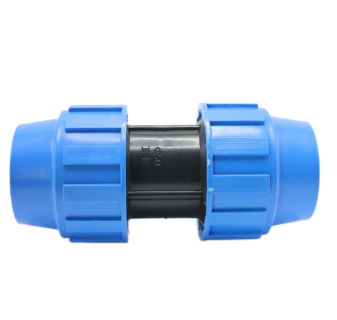
Installation Efficiency: Soft Strip Fittings Enable Rapid, Tool-Free Assembly
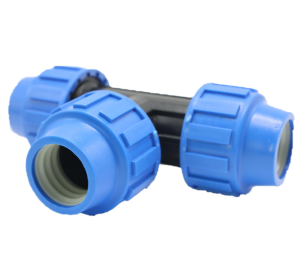

Push-to-Connect Mechanics and Elimination of Threading, Welding, or Crimping
Soft strip fittings are changing how we work with industrial fluid systems thanks to their easy push-to-connect design that doesn't need any special tools around. Traditional connectors require all sorts of complicated steps like threading, welding, or crimping, but these new fittings just have this straightforward insert and lock system. Workers can slide the tubing into place until they hear that satisfying click that tells them everything's sealed tight and won't leak. No more spending 15 to 30 minutes on each connection threading pipes together, and nobody needs to worry about getting welding certifications anymore. Getting rid of those tools means fewer mistakes during installation (about 60% fewer according to industry reports), plus workers avoid problems from over tightening or damaging threads altogether.
Strip-and-Insert Workflow vs. Hard Connector Prep: Time Savings and Skill Requirements
Using the strip and insert method cuts down on installation time dramatically compared to traditional hard connector prep work. Rigid pipe systems demand careful measurements, cutting, removing burrs, and applying sealant compounds. But with soft strip fittings, there's really just two simple steps involved stripping away the tubing insulation and then inserting it into place. What used to take about 45 minutes now gets done in less than ten minutes per connection point. The beauty of this approach is that even workers who haven't received extensive training can produce consistent results without needing specialized certifications like those required for welding or pipefitting jobs. These kinds of labor savings make all the difference when dealing with projects that see frequent changes, whether it's rearranging manufacturing lines or setting up temporary irrigation systems during different seasons.
Performance Limits: Pressure, Temperature, and Environmental Suitability
Pressure Ratings: Soft Strip Fittings (10–150 psi) vs. Hard Connectors (300+ psi)
Most soft strip fittings work best between around 10 to 150 psi, which makes them good choices for those low pressure pneumatic setups we see everywhere on factory floors. Hard pipe connectors are another story altogether though. These bad boys can take well over 300 psi, so they're perfect for heavy duty hydraulic work where things get really intense. The reason behind this difference? Materials matter a lot here. Soft fittings rely on flexible polymer tubing that bends when pressure builds up, whereas the metal ones hold their shape thanks to solid connections. Some field tests have shown something pretty interesting too. If someone pushes soft fittings beyond their rating even slightly, say just 15%, failures start happening much faster actually about 42% quicker according to what engineers observed. That's why following those spec sheets from manufacturers isn't optional but absolutely necessary for keeping operations running smoothly without unexpected breakdowns.
Pressure Handling Comparison:
Thermal Cycling, Vibration Dampening, and Outdoor/Industrial Environmental Resilience
Soft strip fittings accommodate thermal shifts from –40°F to 140°F without leakage due to elastomeric absorption–outperforming hard connectors in vibration-prone environments. However, hard connectors dominate in extreme-temperature settings (e.g., foundries exceeding 600°F), where metal fatigue resistance is paramount. Environmental factors further differentiate suitability:
- Vibration dampening: Soft fittings reduce resonance by 60–80% in automation equipment
- UV/chemical exposure: Hard connectors resist degradation in outdoor refineries
- Corrosion risks: Stainless steel hard connectors withstand acidic media better than polymer alternatives
Industrial resilience tests (2023) showed soft fittings failing after 200+ thermal cycles in desert conditions, whereas hard connectors maintained integrity for 800+ cycles. For outdoor applications requiring temperature stability above 250°F, hard connectors remain indispensable.
Application Fit: Where Soft Strip Fittings Deliver Maximum Value
Low-Pressure Pneumatic Systems and Modular Automation Lines
Soft strip fittings work really well for those low pressure pneumatic systems, usually around 150 psi or below, especially when things need to change quickly on the factory floor. The push to connect feature means production teams can make changes on the fly without waiting for someone to thread connections or do welding jobs. This kind of adaptability makes all the difference in automated manufacturing environments. Operators can just grab an air line and move it somewhere else within minutes instead of spending hours waiting for repairs. And because these polymer fittings resist vibrations so well, they stay leak free even in machines that are constantly moving parts around. No need for specialized techs to install them either, which saves time and money across the board.
Temporary Installations, Irrigation Networks, and Field-Service-Friendly Environments
When dealing with temporary fluid transfer situations such as construction site dewatering or setting up mobile irrigation systems, soft strip fittings really shine when it comes to how fast they can be deployed. Workers on site don't need fancy equipment to put together or take apart whole networks, which saves a lot of time compared to those rigid pipe systems. Some reports say setup times drop around 70%, though actual numbers might vary depending on conditions. These fittings are built with materials that resist rust and wear from being outdoors, making them great for farms and other open spaces. Special versions with UV protection hold up against sun damage too. What makes these fittings stand out is their easy maintenance feature. If part gets damaged out in the boonies, just grab a simple tubing cutter and replace what's broken within seconds. No waiting for welders or bringing in expensive repair teams, which means operations keep running smoothly even when unexpected issues pop up during field service work.
Material Compatibility and Lifecycle Considerations
When it comes to soft strip fittings used in industrial fluid systems, material compatibility and overall lifecycle costs really determine how well they'll perform over time. Most of these fittings are made from polymer materials such as nylon or polyurethane, but choosing the right one matters a lot. The chemical resistance needs thorough checking before installation, particularly if the system will handle things like oil products, various solvents, or even mildly acidic liquids. Using the wrong materials can cause them to break down gradually, resulting in annoying leaks or complete failure way sooner than expected. Anyone looking at the full picture should factor in both initial material selection and what happens to those components throughout their entire service life.
- Durability: Polymer fittings withstand 50–100k operational cycles but degrade faster under UV/ozone exposure than metal alternatives.
- Maintenance Costs: Tool-free designs reduce labor by ~30% versus threaded connectors but may require more frequent replacements in high-vibration zones.
- Sustainability: Recyclable thermoplastics align with circular economy goals, though end-of-life disposal regulations vary by region.
Galvanic corrosion risks also emerge when combining dissimilar metals in hybrid systems–a critical factor for outdoor installations. By prioritizing material synergy and total ownership costs (beyond initial price), engineers optimize reliability while minimizing waste.
FAQ
What are soft strip fittings?
Soft strip fittings are a type of connector used in industrial fluid systems that allow for rapid, tool-free assembly through a push-to-connect design.
What is the main advantage of using soft strip fittings?
The main advantage is the significant reduction in installation time and the elimination of the need for specialized tools like threading, welding, or crimping, enabling tool-free assembly.
Are soft strip fittings suitable for high-pressure applications?
Soft strip fittings are best suited for low-pressure applications, typically ranging from 10 to 150 psi. They are not suitable for high-pressure applications that exceed these ranges.
How do soft strip fittings compare to hard connectors in terms of environmental resilience?
Soft strip fittings perform better in vibration-prone environments but are not suitable for extreme-temperature settings, unlike hard connectors that offer superior resilience in high-temperature environments.