
 EN
EN
Plastic Mesh Filter Fundamentals: Structure, Mechanism, and Core Function
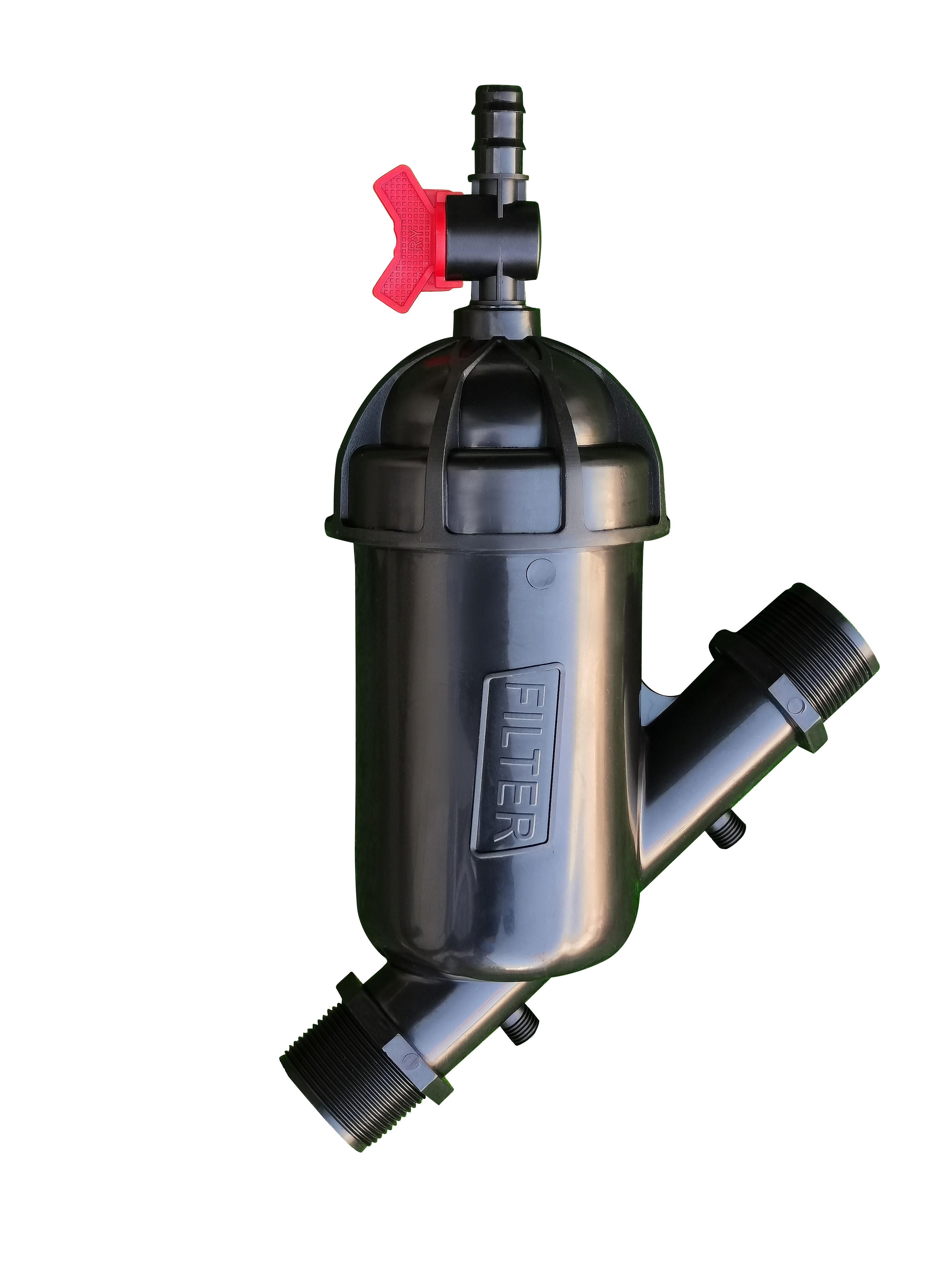
How the Plastic Mesh Screen Physically Traps Sediment and Debris
Plastic mesh filters work mainly through mechanical filtration. They're basically synthetic screens made mostly of polypropylene with carefully designed holes that catch all sorts of floating stuff in water. When water flows through them, anything bigger than those holes gets stuck either right on top of the filter or gets trapped deeper inside the mesh itself. Think of it as having two ways to trap dirt at once surface catching big stuff while also grabbing smaller particles down below. These filters have lots of twists and turns in their tiny passages which means particles spend more time getting caught instead of just passing straight through. Tests show they can remove around 85 to 92 percent of sediment when dealing with particles 100 microns or bigger according to some studies from Irrigation Association back in 2023. What makes these filters stand out is how resistant they are to breaking down chemically even when exposed to things like fertilizers, chlorine treatments, or other soil additives commonly used in irrigation systems this helps them last much longer under different conditions.
Why This Design Prevents Dripper and Emitter Clogging in Drip Systems
The tiny flow paths inside drip emitters are really susceptible to particles measuring just 50 microns or larger. For this reason, plastic mesh filters specifically designed for drip irrigation act as an initial defense mechanism against sediment buildup. These filters can catch more than 95% of the dirt and grit that would otherwise get stuck in the intricate labyrinth structures within the emitters. What makes them stand out from other filter types like media or disc filters is their continuous flow design which doesn't need regular backflushing. This setup keeps hydraulic pressure steady throughout operation while trapping debris at the same time. According to industry reports from ASABE in 2022, such systems cut down on maintenance needs by around 30 to 50 percent when compared to setups without any filtration. The ongoing protection these filters provide helps maintain proper emitter function, prolongs how long the entire system lasts, and most importantly delivers water evenly across agricultural fields where it's needed most.
Mesh Size Selection: Balancing Filtration Efficiency and System Performance
Interpreting Micron Ratings (120–200 µm) for Targeted Particle Retention
The micron rating basically tells us what size particles can get through a filter mesh. A standard 120 micrometer filter will stop anything bigger than 0.12 mm, whereas filters rated at 200 micrometers are designed to catch bigger stuff such as bits of leaves or rough silt particles. Studies indicate that when we go for really fine meshes under 120 micrometers, they grab about 98 percent of those tiny silt particles that cause all sorts of problems for drip emitters. But there's a trade off here too these smaller meshes tend to cut down on water flow by around 30 to 40 percent. Most farmers working with drip irrigation systems find that picking the right micron rating based on what's actually floating around in their water source gives them the best results. Sandy well water usually works well with 150 micrometer filters, while reservoirs known for murky water typically need something closer to 120 micrometers.
Trade-offs Between Flow Rate, Pressure Loss, and Clogging Resistance
Mesh selection demands deliberate trade-off management:
- Finer meshes (120 µm) maximize particle retention but increase pressure loss by 15–20 PSI, raising pumping energy requirements;
- Coarser meshes (200 µm) preserve flow and minimize pressure drop but risk passing abrasive particles that accelerate wear in sprinkler nozzles or valves;
-
Mid-range filters (150 µm) deliver a practical balance—removing ~92% of relevant contaminants while limiting flow reduction to under 10% in turbulent or moderately turbid sources.
The ideal choice aligns mesh size with both sediment load and system hydraulics: prioritize filtration fidelity in high-silt conditions, and favor operational efficiency where debris levels are low and pressure margins are tight.
Plastic Mesh Filter vs. Alternatives: When to Choose It in Irrigation Systems
Comparative Analysis: Screen, Disc, and Media Filters Across Cost, Maintenance, and Application Fit
Plastic mesh filters are great value options when looking at affordability, simplicity, and performance in situations with moderate sediment levels in drip irrigation. These filters generally come in at around 40 to 60 percent cheaper than disc filters, and can be as much as 70 to 90 percent less expensive compared to media based systems, which makes them an excellent starting point for smaller farms or medium scale operations getting into drip irrigation. When it comes to maintenance, there's really not much to it. Just give them a good manual clean now and then, no need for complicated automated backflush systems, taking things apart, or replacing special media components. Sure, disc filters do better job handling high flow rates with their precision, while media systems tackle those tough organic or colloidal loads. But plastic mesh remains the go to choice when budget matters most, when something easy to work with is needed, and when consistent filtration between 120 and 200 microns is what counts. This works especially well in pressurized drip setups that pull water from wells or reservoirs where sediment has had time to settle out.
Optimizing Plastic Mesh Filter Deployment: Installation, Maintenance, and Real-World Reliability
Getting the installation right makes all the difference when it comes to how well everything works down the road. The filter housing needs to go up straight on its side so debris can settle properly and stop water from finding alternate paths through the system. Leave about a foot of open space around the whole unit too. Nobody wants to fight with maintenance or cleaning because there's no room to work. And here's a common mistake folks make: never use Teflon tape on those threaded connections. Stick with proper thread sealant instead. Tape just doesn't hold up over time and will eventually let water seep through, messing with pressure readings and potentially ruining the filtration process altogether.
Regular maintenance matters more than waiting until something breaks down. The mesh needs cleaning roughly every two to four weeks. Try gentle backflushing or a soft brush works just fine. Don't go crazy with high pressure jets though since those can actually damage the screen material. When the system is offline between seasons, take a good look around. Check if there are any rips, bends, or stubborn mineral deposits clinging to surfaces. Monthly pressure checks are also important stuff. If the difference between inlet and outlet pressures keeps climbing past 5 to 8 psi, that's a red flag showing dirt has built up inside. Time to get cleaning before things really start acting up.
How reliable equipment stays functional really comes down to adapting to local conditions. When dealing with sandy soil types, farmers should bump up their cleaning schedule by around 30 to 40 percent during those busy irrigation periods. Hard water areas need special attention too. A yearly flush using citric acid or something similar helps clear out those pesky calcium carbonate buildups before they start blocking the tiny pores in the system. Looking at actual field results from last year's tests tells us something interesting: when plastic mesh filters are kept properly maintained, they stop about 92% of all emitter clogging issues in drip irrigation systems. That means saving roughly seven hundred forty dollars worth of replacement parts each acre annually, plus better water spread across fields and more consistent harvests throughout the growing season.
FAQ
What materials are plastic mesh filters made of?
Plastic mesh filters are typically made of synthetic materials like polypropylene.
How often should plastic mesh filters be cleaned?
It is recommended to clean plastic mesh filters every two to four weeks, depending on local conditions.
What is the main advantage of using plastic mesh filters in drip irrigation systems?
Plastic mesh filters offer cost-effective sediment filtration, preventing emitter clogging and minimizing maintenance needs.
Table of Contents
- Plastic Mesh Filter Fundamentals: Structure, Mechanism, and Core Function
- Mesh Size Selection: Balancing Filtration Efficiency and System Performance
- Plastic Mesh Filter vs. Alternatives: When to Choose It in Irrigation Systems
- Optimizing Plastic Mesh Filter Deployment: Installation, Maintenance, and Real-World Reliability
- FAQ