
 EN
EN
Why Clogging Occurs in Drip Irrigation—and How Plastic Mesh Filters Intervene
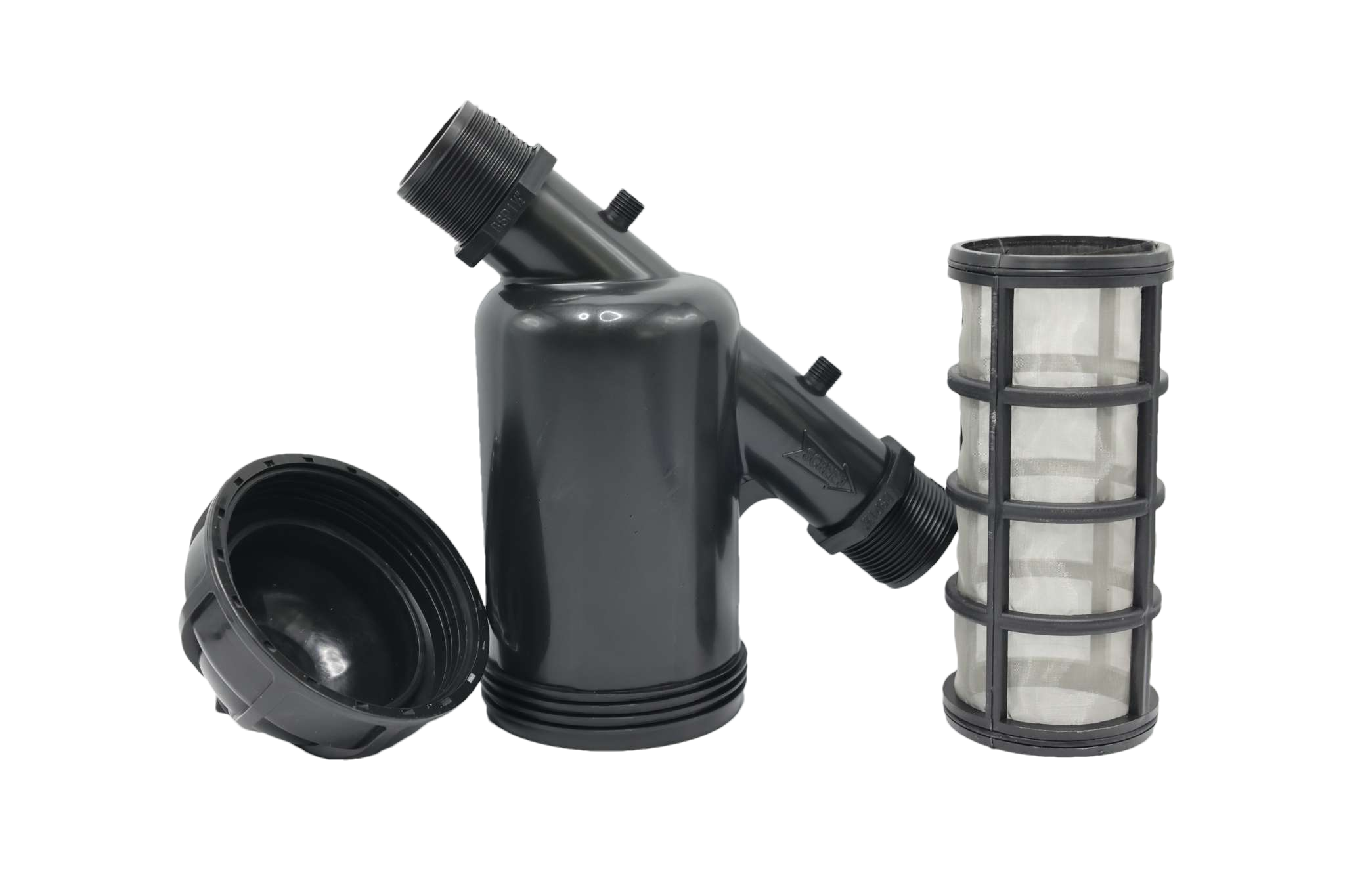
Drip irrigation systems often get clogged because of three main problems: stuff getting stuck physically, chemicals building up, and living organisms growing inside. When it comes to physical blockages, think about all those tiny particles like sand, silt, and other debris that can be as small as 50 microns collecting in the emitters over time. These little bits gradually narrow down the water flow until it stops completely. Then there's the chemical issue where minerals such as calcium carbonate start to form deposits when water pressure changes. Finally, we have biological fouling which happens especially during warmer seasons. Algae tends to grow rapidly in nutrient rich water conditions, while bacteria creates sticky films on the inside walls of the system. All these factors combined make maintenance a real headache for anyone managing drip irrigation setups.
When dealing with irrigation systems, there are three main problems that really throw things off track: uneven water flow, reduced efficiency often around 30% or more, and those maintenance bills that keep climbing. Plastic mesh filters actually fight back against physical clogging thanks to their specially designed woven polymer grids. Water flows through this synthetic mesh and anything bigger than what the filter can handle gets caught. What makes these different from regular screen filters? The overlapping fibers form sort of maze-like paths that grab odd-shaped debris before they can fully block the pores. This clever design keeps water moving properly while still catching particles as small as 100 microns something absolutely necessary to stop emitters from getting blocked by all that normal sediment buildup we see in most fields. Plus, by stopping those gritty particles early on, these filters protect other parts further down the line too, which means the whole system lasts longer without constant repairs.
Matching Plastic Mesh Filter Specifications to Contaminant Types
Selecting the right plastic mesh filter requires precise alignment with contaminant characteristics. Different particles demand tailored filtration approaches to prevent emitter blockages while maintaining optimal flow rates.
Sediment vs. Algae vs. Iron Oxide: Particle Size Ranges and Retention Requirements
Contaminants vary dramatically in size and behavior:
- Sediment (sand/silt): 50–200 microns, effectively removed with 150-mesh filters
- Algae: 10–100 microns, requiring 200-mesh filtration for reliable retention
- Iron oxide: 1–50 microns, often needing finer mesh or supplemental treatment
Larger particles like sand cause immediate clogs, while iron oxides accumulate gradually. A University of Nebraska study (2023) found mismatched filtration increased maintenance costs by 35% in high-sediment zones.
Mesh Rating Explained: From 150-Mesh to 200-Mesh—What ‘Mesh’ Really Means for Filtration Performance
Higher mesh numbers capture smaller particles but increase pressure drop by up to 15 psi (ASABE, 2022). A 200-mesh filter retains 98% of algae particles >75 microns, while 150-mesh suffices for coarse sediment. Balance retention needs with flow requirements to avoid hydraulic bottlenecks.
Optimizing Plastic Mesh Filter Performance in Real-World Conditions
Achieving peak filtration in irrigation systems requires balancing two competing priorities: contaminant removal and hydraulic efficiency.
Balancing Sieving Efficiency and Hydraulic Flow: Avoiding Pressure Drop Pitfalls
When it comes to mesh density, there's a trade off between capturing small particles and allowing proper water flow through the system. Take for instance a plastic mesh filter rated at 200 mesh. It will catch about 98 percent of particles larger than 75 microns, but this comes at a cost. Pressure losses jump anywhere from 15 to 30 percent when compared with similar filters rated at 150 mesh instead. The bottom line is that operators need to make sure their chosen micron rating actually matches what kind of contaminants they're dealing with in practice. Going too fine on mesh size just burns extra energy and can lead to problems where emitters don't get enough water flow. There are ways around these issues though, which we'll look at next.
- Oversizing filter housings by 20% to reduce flow velocity
- Installing pressure gauges upstream/downstream to monitor differentials
- Implementing staged filtration with progressively finer meshes
Advanced Materials: Hydrophobic Coatings and Polymer Blends That Reduce Biofilm Adhesion
Modern polymer formulations combat organic fouling—a leading cause of flow reduction. Hydrophobic surface treatments repel algae and bacterial colonies, reducing biofilm accumulation by 40–60% versus untreated filters. Nylon-polypropylene blends further enhance performance through:
- Reduced surface porosity limiting microbial anchoring
- 30% higher chemical resistance to fertilizers
- Non-leaching additives preventing mineral scaling
Field trials show coated filters extend maintenance intervals by 2–3 months in algae-prone systems, directly lowering operational costs.
Field-Validated Best Practices for Installing and Maintaining Plastic Mesh Filters
Implementing robust protocols extends plastic mesh filter lifespan while preventing irrigation failures. Follow these field-tested methods:
- Installation Precision: Ensure fittings and filter surfaces remain contaminant-free during assembly. Verify correct flow orientation per manufacturer specifications to avoid premature clogging.
- Seal Integrity Checks: Inspect O-rings and gaskets before commissioning—replace cracked or deformed seals immediately to prevent bypass leakage.
- Scheduled Inspections: Conduct biweekly visual checks for housing damage or sediment buildup. Document pressure differentials to identify retention issues early.
- Cleaning Procedures: Backflush using filtered water only. Never scrape mesh surfaces—high-pressure jets distort pore geometry, reducing filtration accuracy.
- Storage Protocols: Keep spare units in original packaging within climate-controlled spaces. Humidity above 60% degrades polymer integrity within months.
Train technicians on contamination control during filter swaps. One study showed proper training reduced replacement costs by 37% in commercial farms. Consistent maintenance doubles typical service intervals while sustaining optimal flow rates.
FAQ
What causes clogging in drip irrigation systems?
Clogging in drip irrigation systems can occur due to physical blockages from tiny particles, chemical deposits like calcium carbonate, and biological fouling from algae and bacterial films.
How do plastic mesh filters help in preventing blockages?
Plastic mesh filters use specially designed woven polymer grids to trap particles as small as 100 microns. This prevents debris from blocking the pores and keeps water flowing efficiently.
What is the significance of mesh rating in filters?
Mesh rating indicates the number of openings per linear inch in a filter, governing particle retention. Higher mesh numbers capture smaller particles but can increase pressure drop.
How can filter performance be optimized?
Optimizing filter performance involves striking a balance between sieving efficiency and hydraulic flow, oversizing filter housings, and implementing staged filtration with progressively finer meshes.
Why are advanced materials like hydrophobic coatings used in filters?
Advanced materials such as hydrophobic coatings are used to combat organic fouling by repelling algae and bacterial colonies, thereby reducing biofilm accumulation and extending maintenance intervals.