
 EN
EN
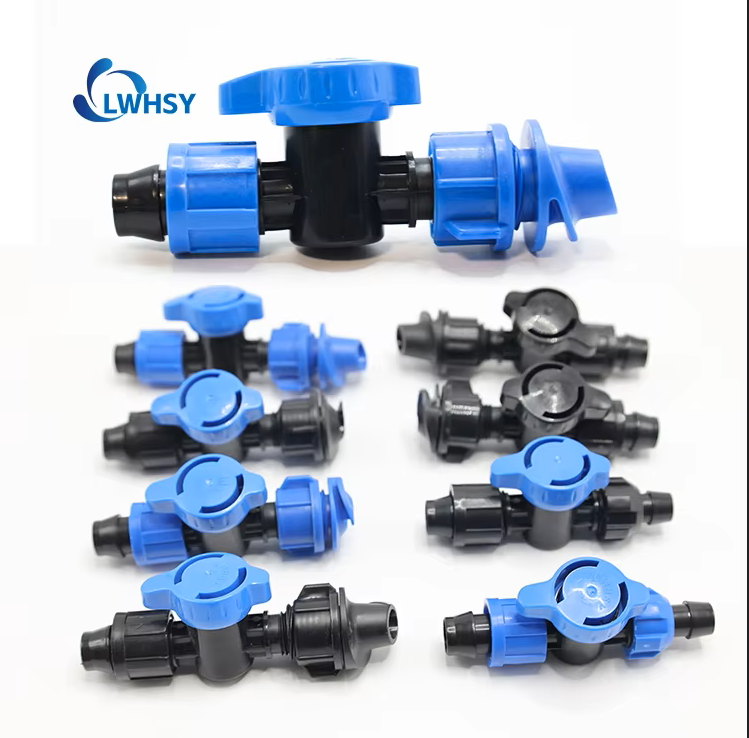
The Evolution of Drip Irrigation Systems in Smart Agriculture
From Traditional to Precision Drip Irrigation Systems
Old school flood irrigation techniques actually lose around half their water to evaporation and runoff according to the UN Food and Agriculture Organization report from 2023. That's why we're seeing more farmers switch to precision drip irrigation systems worldwide. The newer tech works by getting water right down to where plants need it most. Pressure compensating emitters make sure each plant gets what it needs regardless of elevation differences, while self cleaning filters keep things running smoothly without constant maintenance. All this matters because water is becoming harder to come by in many regions. Drip irrigation can save anywhere between 90 to 95 percent of water compared to traditional methods which only manage about 60 to 70 percent efficiency at best. For farms struggling with drought conditions or high water costs, making this switch isn't just smart it's almost necessary for long term viability.
Integration of Smart Controls with Drip Irrigation for Enhanced Efficiency
Smart control systems take drip irrigation to another level by automatically adjusting watering schedules according to what's actually happening in the field. These systems pull information from soil moisture sensors, check the latest weather reports, and even factor in what specific crops need at different growth stages. Farmers in dry areas often mix traditional drip lines with small sprinkler heads to get water where it matters most when temperatures skyrocket. The wireless sensors throughout the system can stop watering if it starts raining or crank up delivery during long dry spells. Plus, these setups typically meet EPA WaterSense requirements, which means they save water without sacrificing crop yields something every farmer wants to achieve.
IoT and Data Analytics in Optimizing Drip Irrigation Systems Performance
Smart farming platforms gather information from soil conditions, weather stations, and plant health monitors to predict when fields need water as far ahead as three days. The machine learning algorithms look at past crop yields and figure out exactly how much irrigation is needed, cutting down on wasted water by around 20 to maybe even 30 percent according to some test results. When combined with satellite images and actual sensor readings on the ground, these advanced systems can automatically adjust water valves for thousands of different areas. They also spot leaks pretty quickly, usually within about fifteen minutes, which means farmers respond faster and save a lot of resources in the process.
AI-Driven Automation in Irrigation Valve Control
Machine Learning for Predictive Irrigation Scheduling
Modern irrigation systems now rely on machine learning to analyze information gathered from soil moisture sensors, local weather reports, and evapotranspiration calculations. What this means is that farmers can schedule watering well ahead of time according to what their crops actually need. For instance, when dry conditions are forecasted, the system will automatically tweak valve settings several days before the problem arises. Farmers in regions prone to drought have seen some impressive results too. One study found that these smart scheduling methods cut down on accidental overwatering by about forty percent. At the same time, plants still get enough moisture during those crucial periods when they need it most for proper development.
Big Data Analytics in Agricultural Water Management
Analytics platforms that bring everything together can pull data from satellites, flow meters, and past crop yields to fine tune how water gets distributed across fields. When farmers look at soil conductivity maps alongside how their valves are actually performing, they tend to save between 15 and 25 percent on water usage. The really smart systems spot weird patterns in irrigation behavior too. One grower told me his setup caught a leaky pipe in just days what would have taken weeks to find manually, saving thousands of gallons before the problem got worse. These kinds of insights make all the difference for operations trying to balance productivity with conservation efforts.
Balancing Innovation and Risk: AI Reliability in Critical Water Decisions
While AI improves decision accuracy, full reliance on algorithmic outputs poses risksparticularly if drought predictions trigger premature water restrictions during sensitive crop phases. Industry best practices now advocate hybrid approaches that integrate AI recommendations with human oversight, preserving 90% of automations efficiency gains while safeguarding against model errors.
IoT and Wireless Connectivity in Modern Irrigation Valves
Modern irrigation valves have evolved into intelligent components within drip irrigation systems, leveraging IoT technology to transform agricultural water management.
Real-Time Monitoring Through IoT-Enabled Drip Irrigation Systems
Soil moisture sensors and hyperlocal weather stations transmit data every 15 minutes to centralized platforms, enabling monitoring accuracy of up to 92% (AgriTech Report 2023). This real-time feedback loop allows automatic adjustment of valve operations according to actual crop demand, cutting water waste by 3045% compared to manually managed systems.
Remote Valve Control via Smart Devices and Cloud Platforms
These days farmers are able to tweak their irrigation schedules from anywhere thanks to smartphone apps backed up by cloud systems that crunch around 5,000 data points for each hectare every day. The installation of wireless valves has cut down reaction time when dealing with dry spells by about half, which means they can make quick fixes to specific areas of the field. Such remote management gives growers much more freedom in how they run things and helps them apply just the right amount of water even on those sprawling farms that cover vast distances.
Sensor Integration and Data-Driven Irrigation Optimization
Networked sensors are central to modern drip irrigation, enabling water delivery that is both spatially and temporally precise. Feedback loops from soil moisture probes and environmental monitors allow valves to respond dynamically to changing field conditionsreducing water waste by 35% compared to time-based irrigation (2024 Irrigation Efficiency Report).
Soil Moisture and Environmental Sensors for Feedback-Based Control
Soil sensors placed at root level turn on irrigation systems only when the moisture drops below certain levels, which cuts down on wasted water. These sensors work even better when connected to nearby weather stations that track things like humidity and rainfall. The system knows when it's going to rain soon and stops watering automatically. A study done last year in dry regions found farmers used 28 percent less water while still getting good harvests. This shows just how well these smart valves controlled by sensors actually perform in real world conditions.
Overcoming the Cost Barrier: ROI of Smart Valves in Long-Term Water Savings
Smart valve systems do come with upfront costs ranging between $1,200 to $2,500 for every acre, but according to some agronomic research we've seen, most farmers get their money back within about 3 to 5 growing seasons as per the 2024 Smart Agriculture ROI Analysis report. The savings happen because these systems catch leaks automatically, cut down on manual work, and pump water much more efficiently than traditional methods. Some newer models actually run at around 90% efficiency which is pretty impressive when compared to older equipment. Real world experience shows that many growers end up saving anywhere from $18 to $32 each year on their water bills alone. These numbers make it clear why more and more agricultural operations are making the switch to smart irrigation solutions despite the initial expense.
FAQ
Q: What are the main benefits of switching to a drip irrigation system?
A: Drip irrigation systems increase water efficiency by delivering water directly to plant roots, saving anywhere from 90 to 95 percent of water compared to traditional irrigation methods.
Q: How do smart control systems enhance drip irrigation?
A: Smart control systems adjust watering schedules automatically based on soil moisture sensors and weather reports, optimizing water use and reducing waste.
Q: What role does AI play in modern irrigation?
A: AI helps in predictive irrigation scheduling, ensuring efficient water usage by analyzing data from various sensors, weather reports, and evapotranspiration calculations.
Q: Are smart valve systems cost-effective?
A: Despite upfront costs, smart valve systems generally pay for themselves within 3 to 5 growing seasons due to water savings and increased efficiency.