
 EN
EN
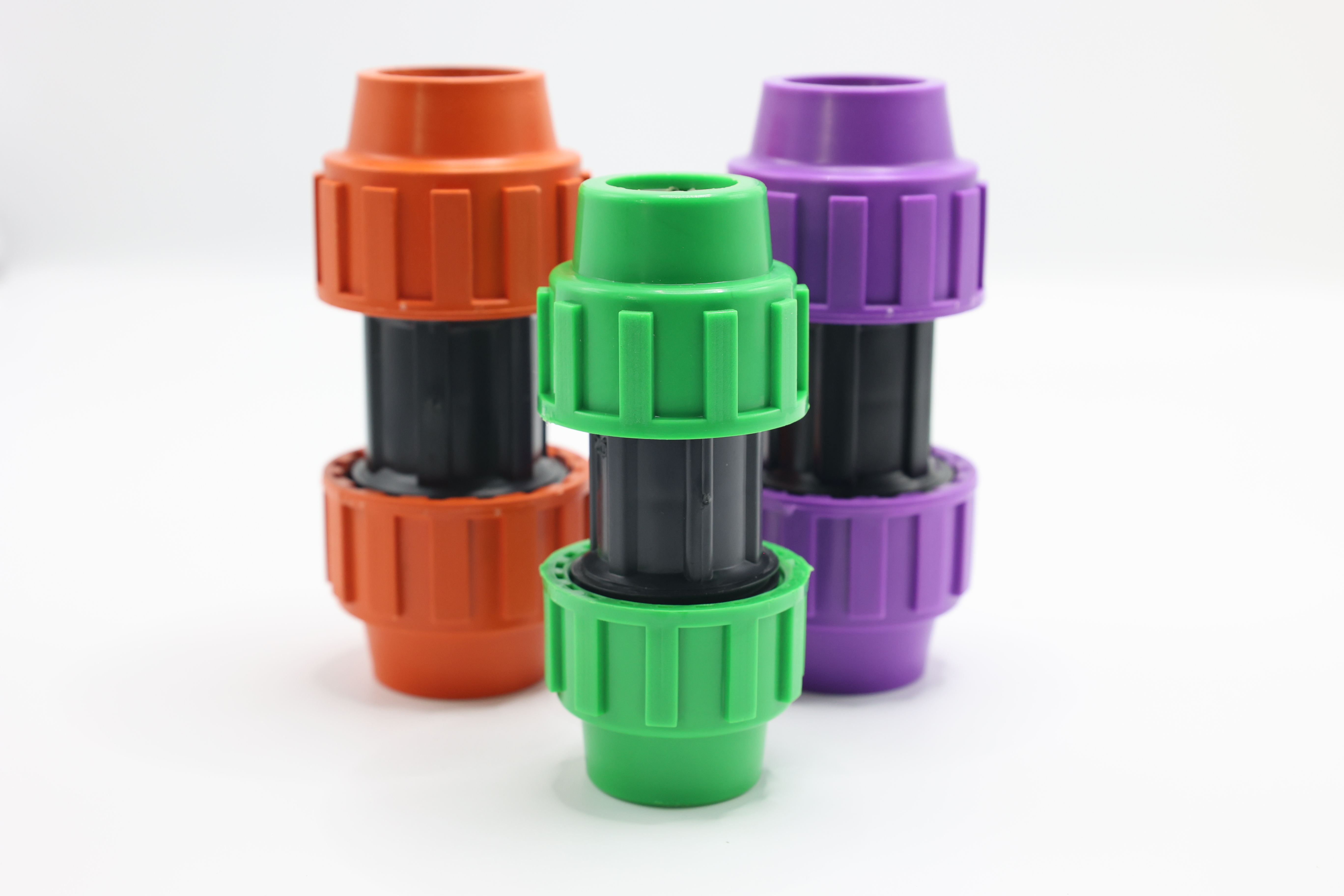
Material Compatibility and UV-Resistant Durability of PE Quick Connect Fittings
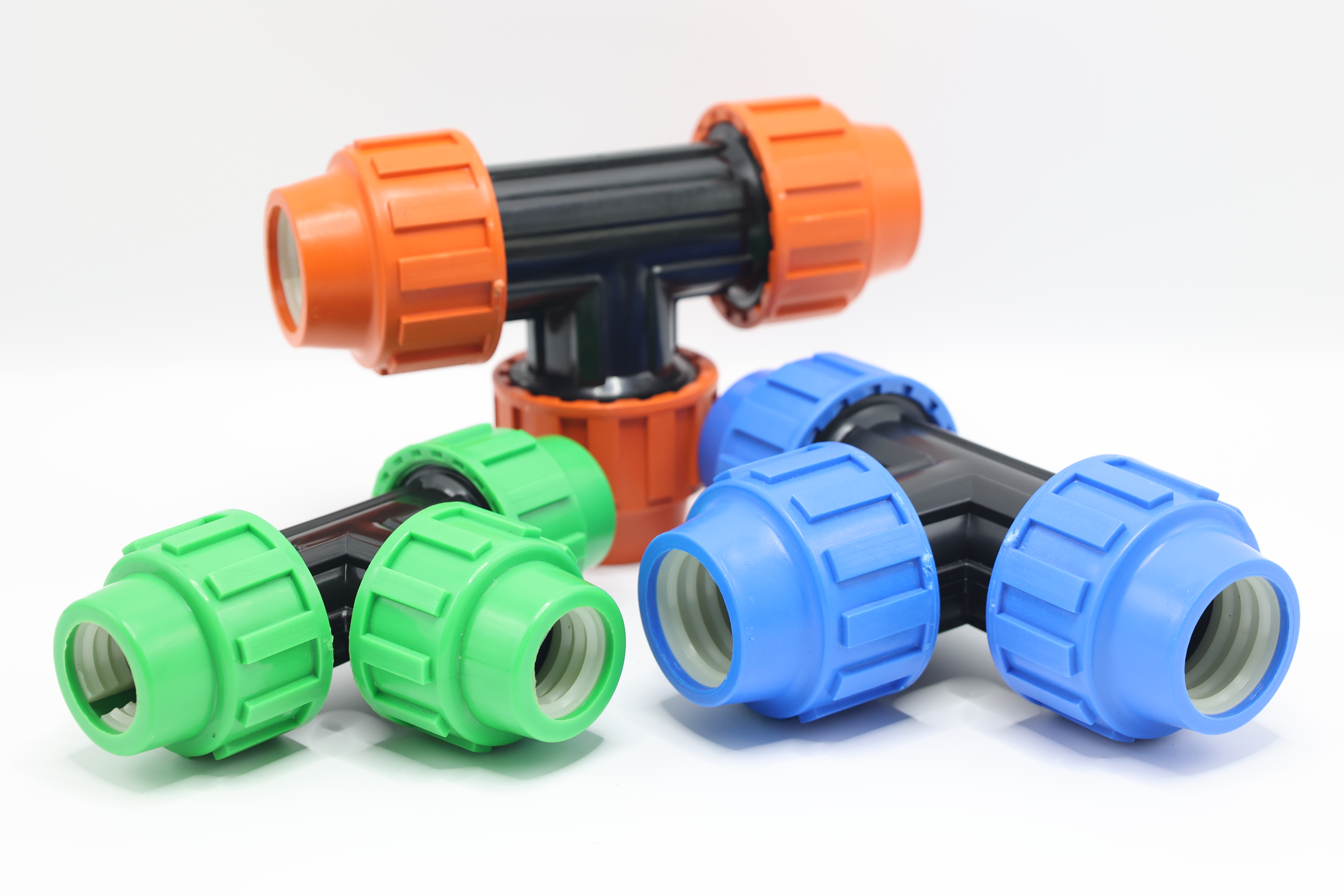
HDPE Tubingâ€"Fitting Synergy: Ensuring Long-Term Seal Integrity Under Field Stress
The combination of High-Density Polyethylene (HDPE) tubing with matching PE quick connect fittings creates a reliable system for irrigation work. These materials expand and contract at the same rate when temperatures change between minus 20 degrees Celsius and plus 60 degrees, so there won't be those annoying seal gaps that cause leaks. HDPE has good resistance to stress cracks too, lasting well over 500 hours according to test standards like ASTM D1693. This means the connections stay intact even when pressure fluctuates repeatedly up to around 12 bars. Real world testing showed something interesting too. After checking out 42 different farms over three full seasons, researchers found that using properly matched materials cuts down on fitting movement problems by about 73 percent compared to mixing incompatible parts.
UV Resistance and Thermal Stability: Validated Performance from 5-Year Arid-Region Field Trials
These fittings withstand 0.5 MJ/m² UV dosage (ISO 4892-3) without embrittlement and maintain functional integrity beyond a decade in continuous sun exposure–preventing an estimated $220k/season in water loss from degraded seals. Polymer engineering protocols for UV stabilization are detailed in the UV Stabilization Standards for Irrigation Plastics.
Leak Prevention and Pressure Integrity with PE Quick Connect Fittings
Sealing Mechanism Deep Dive: O-Ring Compression vs. Swage-Driven Grip in Real-World Irrigation Cycles
Quick connect fittings for polyethylene pipes work with two main sealing approaches. First, there are O-ring compression systems. These use EPDM rubber seals that squeeze against the HDPE pipe walls when connected. This creates a watertight seal that stands up to regular watering schedules and changing weather conditions. On the other hand, swage grip mechanisms have stainless steel teeth that actually bite into the plastic tubing as they're inserted. This gives them a firm grip even when equipment vibrates from running pumps or tractors all day long something farmers need for their continuous operation needs. When manufacturers combine these two sealing methods in one fitting, field tests show about 63 fewer leaks over time according to data from Irrigation Association studies back in 2023.
ASAE EP470.4â€"Compliant Pressure Testing: Sustained 12-Bar Performance Across Top PE Quick Connect Fitting Brands
Manufacturers at the top of their game test pressure integrity according to ASAE EP470.4 standards. This is an agricultural benchmark that demands fittings hold up under 12 bar (about 174 psi) pressure continuously for 10,000 hours before failing. That's roughly equal to five complete growing seasons worth of operation. The testing process covers several critical aspects including thermal cycling from -20 degrees Celsius all the way up to 50 degrees Celsius. They also check how well materials resist damage from common fertilizers and pesticides used in farming operations. Another important test simulates the kind of pulsating stresses that happen when pumps surge unexpectedly during operation. When independent auditors looked at 27 different manufacturers recently, they discovered that around 92 percent still met those 12 bar requirements even after going through all that cyclic stress testing. Some of the best performing designs actually showed absolutely no pressure loss whatsoever after clocking in 15,000 operational hours. These results matter because failures can lead to disastrous leaks that might waste upwards of two million gallons per year on just a single 500 acre farm.
Optimized Installation Protocols for PE Quick Connect Fittings
Tool-Assisted Deployment: Hole Punch Calibration, Tubing Heating, and Micro-Crack Prevention
Getting the tools calibrated right makes all the difference when installing systems without leaks on a large scale. The hole punch has to be matched exactly to the HDPE tubing wall thickness, keeping tolerances within about half a millimeter to one millimeter range. Otherwise we get oval shapes or internal damage that weakens those connections. Cold weather below 10 degrees Celsius changes things too. Heating the end of the tubing with infrared up to around 40-45 degrees Celsius actually stretches out those polymer molecules, cutting down insertion force nearly two thirds and stopping those tiny cracks from forming when fittings snap together. We check everything monthly with those go/no-go gauges because even small diameter differences over 0.2 mm lead to failed pressure tests in almost one out of five installations according to Irrigation Association data from last year. Following this careful process keeps water flowing properly through the system without sacrificing the fast and easy setup that quick connect fittings are known for.
Operational Efficiency and Water Conservation Gains from PE Quick Connect Fittings
Field-Validated ROI: 23% Labor Reduction and 17% Leak Decline on a 2,400-Acre Almond Farm
Over several years, a large almond operation spanning around 2,400 acres saw impressive results when switching to PE quick connect fittings. The technicians reported installation times improved by about 23% compared to traditional threaded options. No need for torque wrenches anymore, plus they saved time because there was no waiting for sealants to cure during routine maintenance checks. What really stood out though was how much water stayed in the system thanks to those O-rings sealing properly. Farmers saved roughly 17% on water annually, which adds up to nearly 4.7 million gallons preserved each year especially since these connections held firm even under high pressure changes reaching 12 bars. The money saved on water basically paid back the cost of all the new fittings within just two seasons of growing almonds. After thousands of seasonal disconnections, field crews never spotted any tiny cracks forming either. These plastic components kept performing well despite being exposed to temperatures ranging from below freezing at -4 degrees Fahrenheit up to scorching 113 degrees, plus dealing with all that sand blowing around in the fields.
Frequently Asked Questions
How do PE quick connect fittings prevent leaks?
PE quick connect fittings prevent leaks by using O-ring compression systems. EPDM rubber seals make a watertight seal against HDPE pipe walls, preventing leaks. Swage grip mechanisms with stainless steel teeth provide a firm grip on the pipes, adding an extra layer of protection against leaks.
How do PE quick connect fittings maintain pressure integrity?
These fittings are tested according to ASAE EP470.4 standards, which require them to withstand a pressure of 12 bars continuously for 10,000 hours. They undergo several tests, including thermal cycling and material resistance to fertilizers and pesticides.
Are PE quick connect fittings UV resistant?
Yes, PE quick connect fittings with carbon black stabilization (2–3% concentration) offer exceptional UV resistance and can withstand prolonged sun exposure.
What is the impact of switching to PE quick connect fittings on water conservation and operational efficiency?
Switching to PE quick connect fittings can lead to a 23% reduction in labor and a 17% reduction in leaks, improving water conservation and operational efficiency.
Table of Contents
- Material Compatibility and UV-Resistant Durability of PE Quick Connect Fittings
- Leak Prevention and Pressure Integrity with PE Quick Connect Fittings
- Optimized Installation Protocols for PE Quick Connect Fittings
- Operational Efficiency and Water Conservation Gains from PE Quick Connect Fittings
- Frequently Asked Questions