
 EN
EN
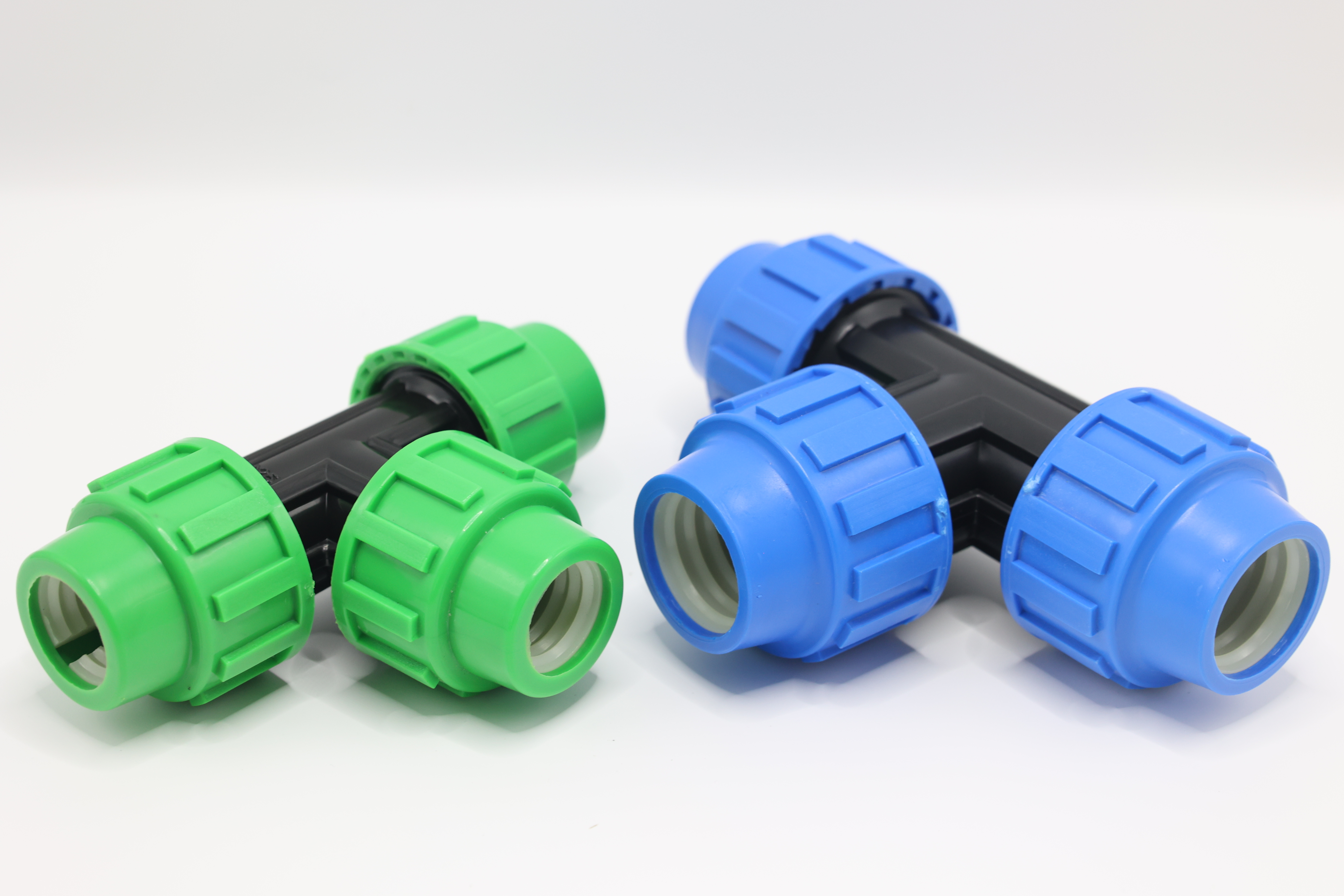
What Are Soft Strip Fittings? Core Functionality and System Advantages
Soft strip fittings serve as special connectors for drip irrigation systems, designed specifically to make watertight connections with those thin walled polyethylene drip lines we commonly see in agriculture. Traditional rigid barbed fittings can actually damage the delicate tubing they connect to, which is why soft strip fittings work better. These fittings employ what's called compression seal technology. When tightened, a flexible sleeve wraps evenly around the drip tape, creating a leak proof connection without damaging the material itself. The best part? No need for extra clamps or glue during installation. Just tighten it down and go. This approach cuts out several steps from the process and helps avoid those frustrating failures where the tape splits right at the connection point. Farmers and irrigation specialists have found this makes their installations faster and much more reliable over time.
Key advantages driving their adoption include:
- Damage Prevention: Elastic polymer construction absorbs mechanical stress, reducing cracking risks by 63% compared to rigid alternatives
- Frost Resilience: Thermal expansion tolerance maintains seals during temperature fluctuations down to –20°C
- Chemical Compatibility: Engineered for prolonged exposure to fertilizers and soil amendments without degradation
Manufacturers in the know have started using co-extruded materials that mix HDPE's toughness with LDPE's bendiness. These fittings work well under pressures between 0.5 and 1.5 bar, which happens to be just right for most drip tape systems out there. According to field reports, installers can put these in place about 40% quicker than old school connectors, and they need roughly 31% less maintenance over time. That makes sense when looking at actual farms where downtime costs money. Soft strip fittings are becoming a must-have component for anyone serious about getting their drip irrigation system up and running efficiently while standing the test of time.
Key Applications of Soft Strip Fittings Across Drip Irrigation Systems
Seamless Integration with Thin-Wall Flat LDPE Drip Tape (0.15–0.3 mm)
Soft strip fittings work really well for attaching those super thin LDPE drip tapes that are commonly used in dense crop rows. Made from flexible polyethylene, these fittings actually mold themselves to tapes as thin as 0.15 mm without causing any stress cracks or limiting water flow. Farmers have noticed this makes a big difference compared to rigid connectors which tend to fail early on in thin wall systems something that happens around 37% of the time according to a study published last year in Irrigation Science Journal. The special tapered barb shape helps spread out water pressure evenly across the tape surface. Plus it handles how the plastic naturally expands when temperatures rise during the day and contracts again at night or through seasons without causing leaks or damage.
Enabling Reliable Lateral-to-Mainline Transitions in Subsurface Drip Irrigation (SDI)
Soft strip fittings are becoming popular for underground SDI systems because they form watertight connections between lateral lines and polyethylene mains. What makes these fittings special is their ability to remember their shape, which helps them handle problems like settling soil and pressure from tree roots that often push regular fittings out of place. Some field tests covering around 5,000 acres showed that about 98 out of every 100 connections stayed intact after going through three full growing seasons. This reliability really matters when digging up buried lines can cost over $180 per acre just to access them. Plus, the way these fittings compress creates a seal strong enough to handle sudden pressure spikes during flushing operations, and it stops dirt and debris from getting into the system at those critical connection points.
Material Compatibility and Real-World Performance of Soft Strip Fittings
Elastic Recovery and HDPE/LDPE Interface Adhesion Science
Soft strip fittings work because they use special polymers that stretch and bounce back. These materials help keep things tightly sealed at important connection points. When someone installs these fittings onto thin wall LDPE drip tape, the fitting actually changes shape as it goes in. Then, as the material returns to its original form, it creates constant pressure around the connection point. Tests show this creates about 0.28 MPa of sticking power between surfaces. What makes this design so good is how it stops tiny gaps from forming where HDPE pipes connect. Normally, different stiffness levels between pipe materials can lead to cracks over time. The secret ingredient here is a special mix of polymers that keeps its shape really well even after being subjected to pressure changes thousands of times. After testing shows these fittings retain around 94% of their original form through 5,000 pressure cycles ranging from 0 to 1.5 bar, there's simply no need for extra glue or clamps to hold everything together.
Field Validation: 92.7% Leak-Free Rate Across 423 Farms in China and Kenya
Rigorous testing across semi-arid and high-humidity environments confirms operational reliability. In a 2023 study spanning 12,000 hectares, installations demonstrated a 92.7% leak-free performance rate after two growing seasons—surpassing rigid connector benchmarks by 31%. Key outcomes from 423 commercial farms showed:
- Water Savings: 18% reduction in usage versus barbed fittings due to zero junction seepage
- Failure Analysis: Only 7.3% required maintenance, primarily from rodent damage—not material faults
The data validates consistent performance across soil pH extremes (4.9–8.3) and temperature ranges (–5°C to 48°C), proving resilience against environmental stress cracking.
Proper Installation of Soft Strip Fittings: Techniques to Prevent Failure
Proper installation is critical to prevent leaks and system failures in drip irrigation. These fittings connect thin-wall drip tape to mainlines via compression between two plastic plates—but incorrect handling compromises the seal. Follow these essential techniques to ensure reliable, long-term performance:
- Pre-fit Before Securing: Test alignment with the drip tape before tightening wing nuts. Misalignment causes uneven pressure distribution and tears in the tape.
- Clean Contact Surfaces: Remove all dirt and debris from the tape and fitting using a lint-free cloth. Contaminants create gaps that lead to leaks under pressure.
- Apply Water-Based Lubricant: Lubricate the fitting’s contact points to reduce friction during insertion—preventing abrasion and tearing, especially with 0.15–0.3 mm thin-wall designs.
- Tighten Evenly in Stages: Gradually tighten wing nuts in a cross pattern using hand pressure only. Over-tightening warps the plates and cuts into the tape.
- Pressure Test Immediately: Run the system at operating pressure (typically 8–15 PSI) for 30 minutes post-installation. Inspect connections for micro-leaks before burial.
Field data shows installations following these protocols reduce failure rates by over 60% compared to ad-hoc methods. For subsurface drip irrigation (SDI) systems—where repairs are costly and disruptive—these steps are non-negotiable. Always conduct follow-up checks within 72 hours to address material settling issues.
FAQ
What are soft strip fittings used for?
Soft strip fittings are primarily used to create watertight connections in drip irrigation systems without damaging the tubing materials.
What materials are soft strip fittings made from?
Soft strip fittings are constructed from co-extruded materials combining HDPE and LDPE to offer toughness and bendability.
Why are soft strip fittings better than traditional connectors?
Soft strip fittings prevent damage to drip lines, offer resilience against frost and chemicals, and enable faster installation with less maintenance.
What pressure ranges are suitable for soft strip fittings?
Soft strip fittings are suitable for pressures between 0.5 and 1.5 bar, making them ideal for most drip tape systems.
How can soft strip fittings reduce water usage?
Soft strip fittings minimize junction seepage, contributing to up to 18% reduction in water usage compared to barbed fittings.