
 EN
EN
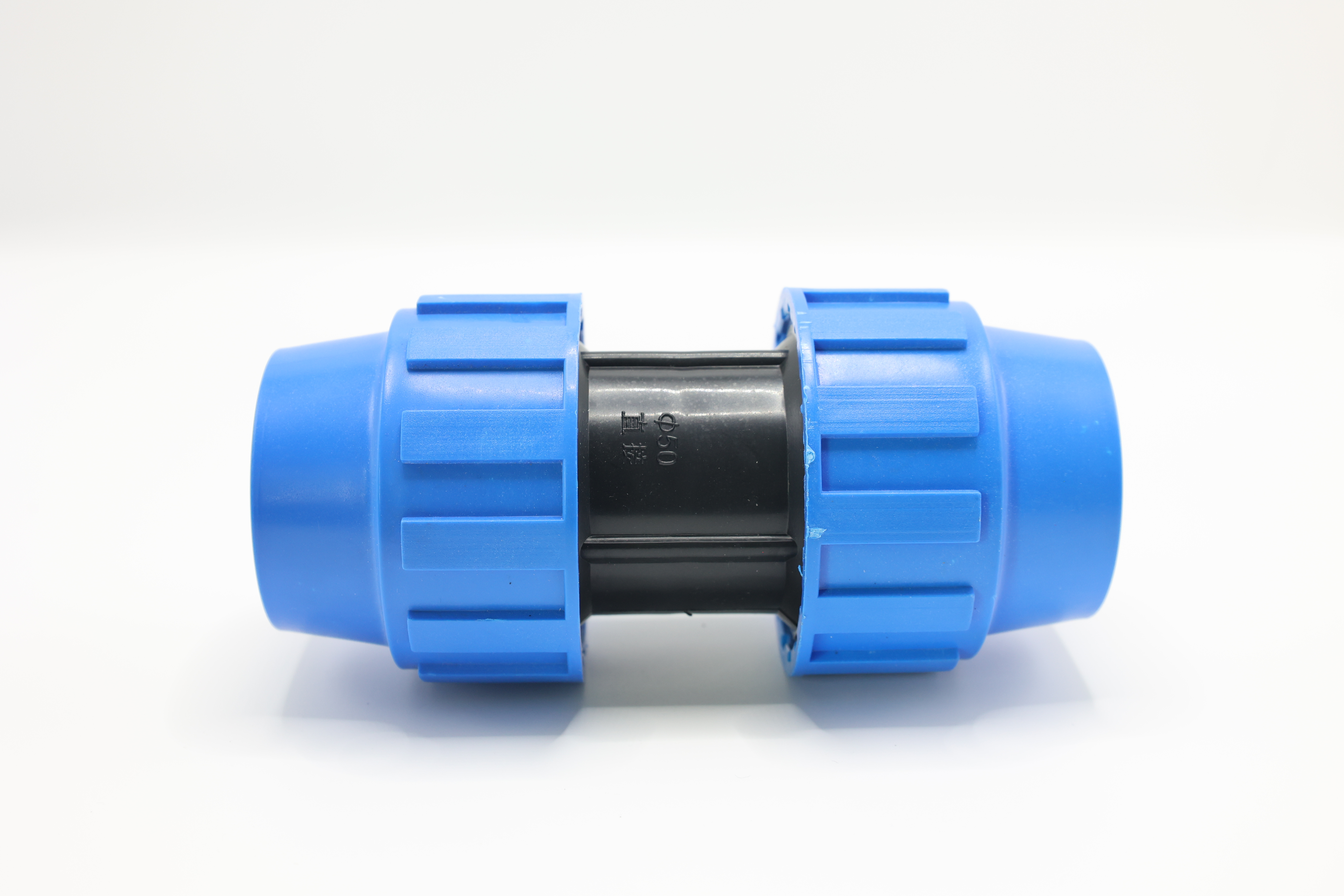
Upfront Cost Breakdown: Quick Connect Fittings Versus Compression, Soldering, and Solvent-Glued Options
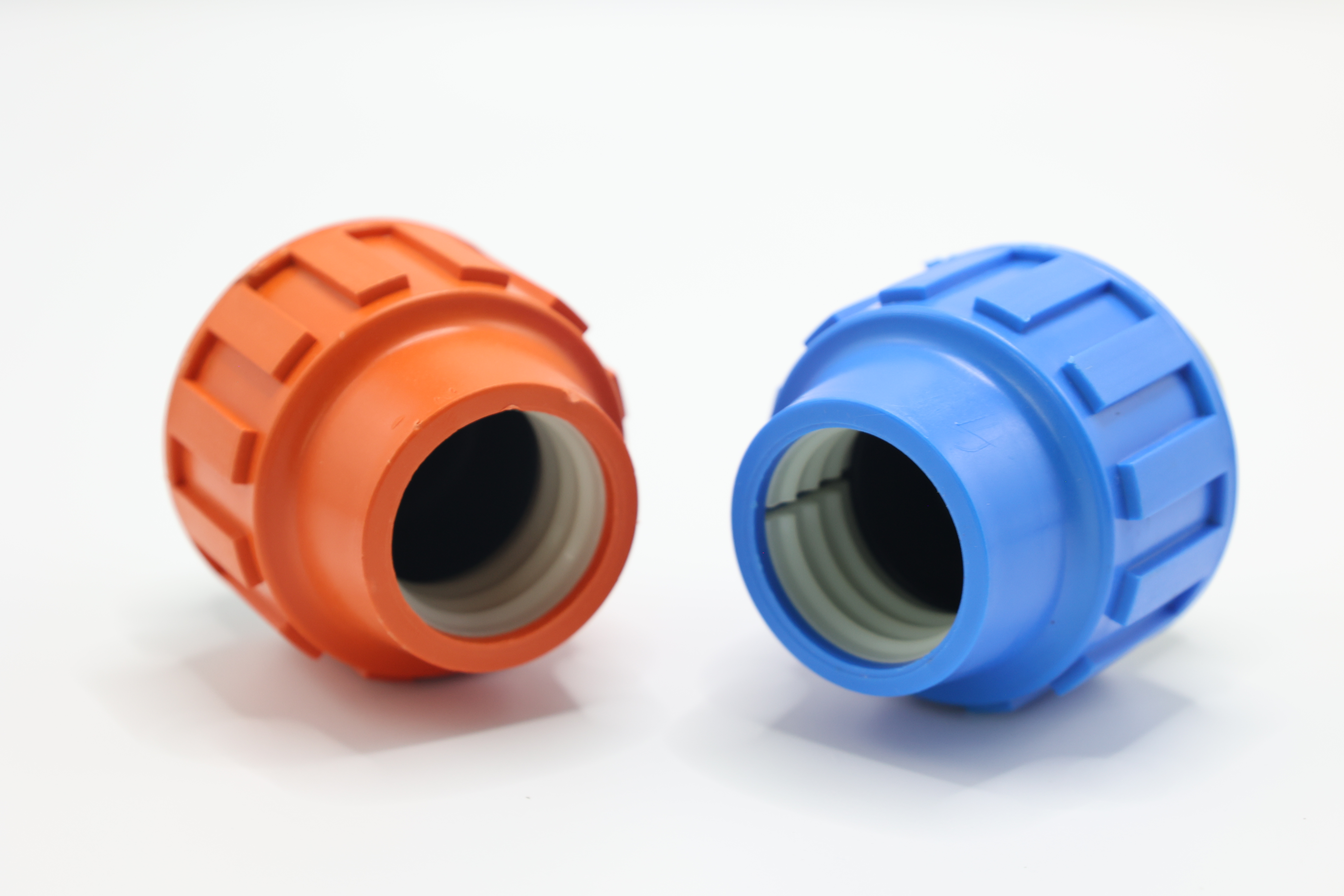
Material and Unit Price Benchmarks Across Connector Types
Looking at industry numbers shows there's quite a price difference right off the bat between different types of connectors. Compression fittings typically run anywhere from about fifty cents to a dollar fifty each. Solvent glued joints aren't much cheaper either, costing around thirty to eighty cents just for materials. Quick connect fittings come with a higher price tag though, usually between one fifty and four bucks apiece because they have those built in seals and often use stainless steel parts. But here's where things get interesting. When we factor in all those extra costs that go along with other options like buying special tools, replacement parts, and paying someone to prepare everything properly, the price difference actually shrinks quite a bit. Quick connects eliminate most of these additional expenses altogether.
Regional Pricing Variability and Brand Premiums
The location of manufacturing facilities has a big impact on pricing variations in the market. Suppliers from Asia generally sell quick connect fittings for around 25 to 40 percent less than what Western companies charge. However, independent tests reveal that there are differences when it comes to the actual quality of brass alloys used and how long the polymer materials last. Big name manufacturers tend to ask for about 15 to 30 percent extra because they have those important certifications such as NSF/ANSI 61 for water safety standards and ISO 14001 related to sustainable manufacturing practices. When companies buy these connectors in large volumes though, the price gap between brands gets smaller since most suppliers will give discounts ranging from 18 to 22 percent regardless of which type of connector is being purchased.
Installation Efficiency: Labor Time Savings and Skilled Labor Dependence with Quick Connect Fittings
Time-Savings Data: Faster Installation vs. Compression Fittings
Quick connect fittings cut down on installation time quite a bit when compared to compression methods. According to field tests, these push-to-seal fittings can complete connections within just over a minute while compression fittings take around five minutes or more because they need careful tightening, proper flange alignment, and thread sealing. We're talking about saving somewhere between 80 to maybe even 86 percent of the time by getting rid of those special tools and all the calibration work. Municipal water projects have seen crews working seven times faster with these quick connect systems. And the real advantage shows up in tight spots where traditional fittings become a pain to handle due to all the complicated movements required.
Labor Cost Modeling: Commercial Irrigation and Industrial Retrofit Scenarios
Commercial irrigation work shows real money savings too. We're talking about around $1,560 saved for every thousand connections made when factoring in standard labor rates of about $65 an hour. When it comes to industrial upgrades such as modifying food processing lines, getting things back online fast matters a lot. Replacing valves with traditional compression fittings usually means stopping production for four whole hours. Switching to quick connect fittings cuts that down to just twenty minutes though. And remember those Deloitte numbers from 2022? They put industrial downtime at roughly $260k per hour. That makes sense why so many companies prefer these time saving solutions even if they cost a bit more upfront. The math works out to about 27 times more value from saved operation time compared to what extra hardware might cost.
Long-Term Value: Downtime Reduction, Leak Prevention, and Maintenance ROI of Quick Connect Fittings
Downtime Cost Quantification in Critical Fluid Systems (Food Processing Case Study)
Food processing plants lose around thirty grand every hour when unexpected downtime hits due to spoiled products and halted production. The old school threaded fittings need full system shutdowns whenever something breaks down, which means these interruptions can drag on for anywhere between four to eight hours each time they happen. Quick connect fittings change the game completely though. They let workers swap out components without needing tools at all, often getting things back online within just fifteen minutes flat. That cuts downtime significantly, somewhere between seventy and eighty five percent according to what we've seen across different facilities. When perishables stay intact during maintenance and pasteurization lines don't experience those domino effect failures, it makes a huge difference operationally speaking. Take one dairy plant as an example – after switching their fill lines over to quick connect systems, they managed to save themselves about two hundred twenty thousand dollars worth of annual downtime costs alone.
Seal Longevity and Leak-Related Product Loss Trends Over 5-Year Operational Lifecycles
Systems that rely on compression fittings tend to lose around 12 to maybe even 18 percent of their product each year because the seals just don't hold up over time. Quick connect fittings work differently though. They use these special fluoropolymer seals that stay intact for well over 95 percent of the time during those long runs of pressure testing. When we look at things over a five year period, facilities see about half as many leaks compared to older methods. That means real money saved on lost products across the board. Some beverage companies have actually seen their syrup waste drop by three whole tons annually once they made the switch. Plus there's another benefit nobody talks about much but it matters a lot: cleaner equipment means workers spend roughly a quarter less time scrubbing down everything. And all this happens without sacrificing any of the required food safety standards either.
When Quick Connect Fittings Fall Short: Contextual Limitations and Total Cost Triggers
Quick connect fittings definitely speed up installation and make maintenance easier, but they don't work well everywhere. Take those really hot industrial processes above 300 degrees Fahrenheit for instance. The cheap plastic seals in these fittings tend to break down 3 to 5 times quicker than what we get with proper compression fittings, which means replacing them much more often. Older equipment with weird thread sizes usually needs expensive adapters just to fit, eating into any time saved during installation. This becomes a real headache when retrofitting hydraulic systems because around 12 to 15 percent of jobs end up going over budget due to compatibility problems according to last year's Fluid Systems Reliability Report. Getting the size right matters too. If someone puts in connectors that are too small for irrigation systems, pressure drops jump by about 40%, causing pumps to work harder and wasting energy. The materials used also make a big difference. Cheap thermoplastic fittings left out in sunlight or near chemicals will start leaking twice as much as good quality alloy ones after just 18 months. Combine all these issues together extreme temperatures, mismatched parts, wrong sizes, bad materials and suddenly the overall cost ends up being 30% higher than sticking with old fashioned soldered or flanged connections.
FAQ
What are quick connect fittings?
Quick connect fittings are connectors that allow for fast, tool-free connection and disconnection of fluid lines. They are designed to reduce installation time and improve maintenance efficiency.
Why might quick connect fittings be more expensive upfront?
Quick connect fittings typically include built-in seals and often use stainless steel parts, contributing to their higher purchase cost. However, they can save money in the long term by reducing labor costs and minimizing downtime.
Do quick connect fittings work in all applications?
No, quick connect fittings are not suitable for environments with extreme temperatures or incompatible thread sizes. They may require expensive adapters for older equipment and might not perform well in high-temperature processes.
Table of Contents
- Upfront Cost Breakdown: Quick Connect Fittings Versus Compression, Soldering, and Solvent-Glued Options
- Installation Efficiency: Labor Time Savings and Skilled Labor Dependence with Quick Connect Fittings
- Long-Term Value: Downtime Reduction, Leak Prevention, and Maintenance ROI of Quick Connect Fittings
- When Quick Connect Fittings Fall Short: Contextual Limitations and Total Cost Triggers
- FAQ