
 EN
EN
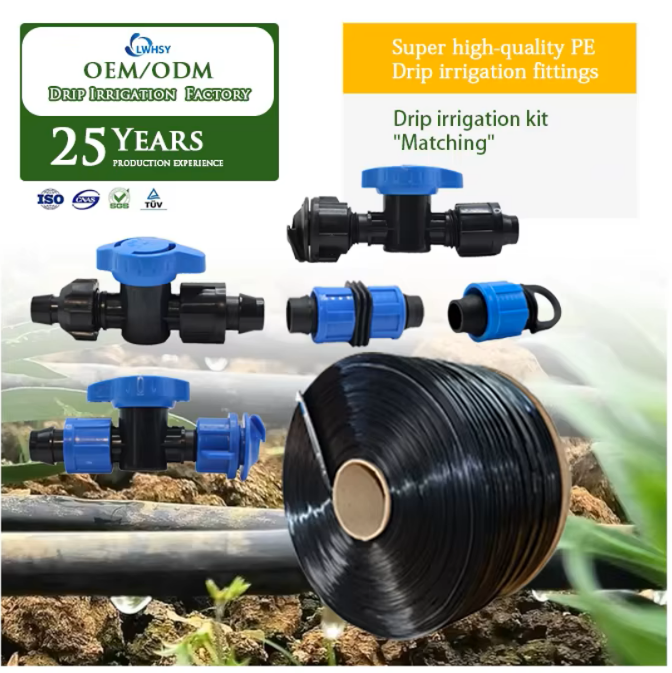
Understanding the role of drip irrigation tape valves in irrigation systems
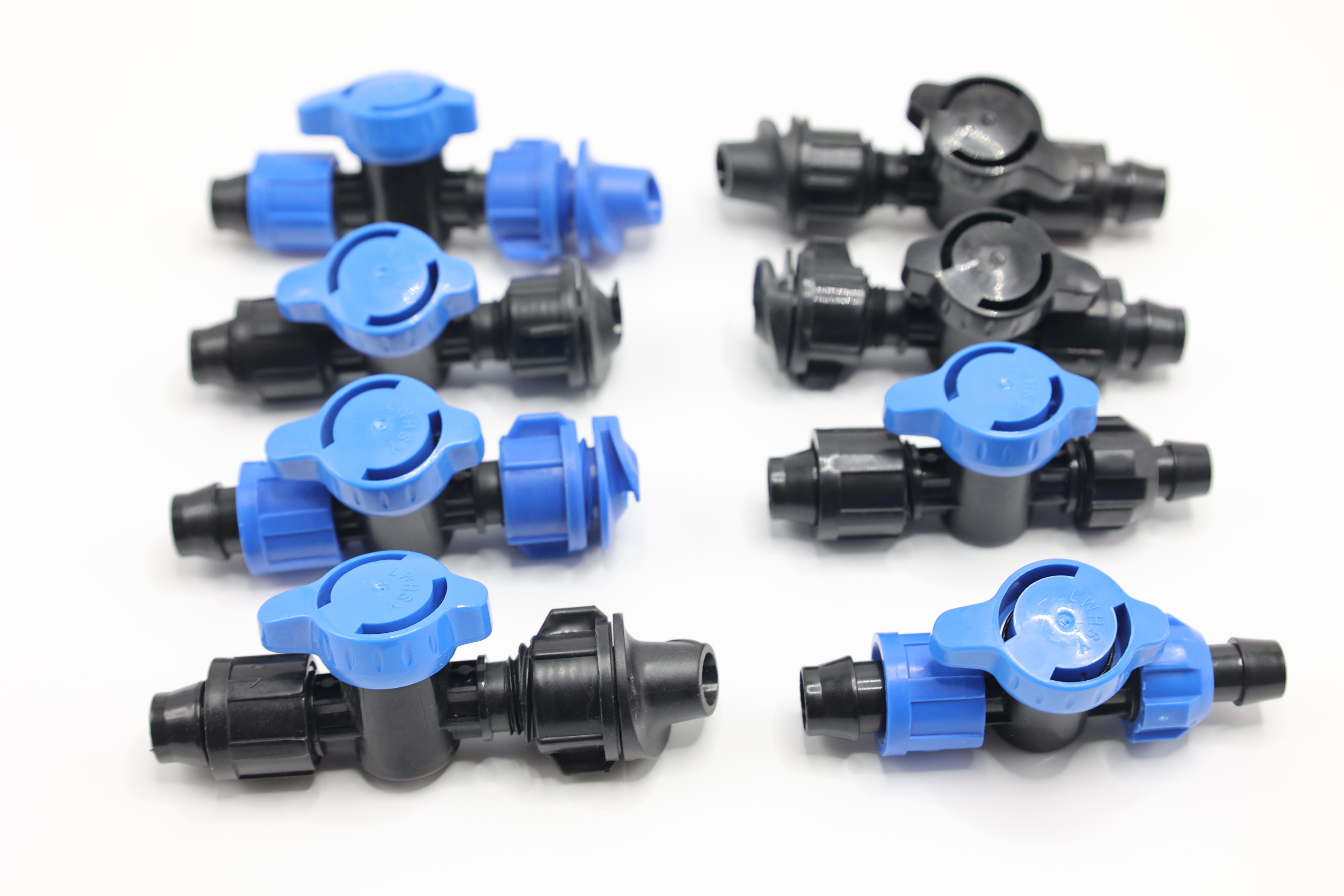
What is a drip irrigation tape valve and how does it work?
Drip tape valves are small but crucial components that control the water flow in a micro-irrigation system. These valves, mostly made of durable plastics like polyethylene or polyvinyl chloride, connect the thin-walled drip tape (covered with tiny dripper orifices) to the water source. Opening or closing the valve controls the water flow to different areas of the garden or field. Good design helps maintain stable pressure while ensuring sufficient water flow to prevent problems. Most drip tape valves work best when the pressure is maintained at around 8 to 15 pounds per square inch, as pressures exceeding this range can clog the tiny drippers or even tear the tape itself. Some newer drip tape models also come with additional features, such as compatibility with automatic timers or soil moisture sensors. These smart features make the system run more smoothly and save time for growers who want consistent results without constant monitoring.
The Importance of Valves in Maintaining System Pressure and Flow
The valves on the drip irrigation tape act like miniature pressure managers, maintaining stable water pressure even when the field is tilted and preventing annoying leaks that waste a significant amount of water. According to data from the UN Food and Agriculture Organization last year, poorly maintained drip irrigation systems can lose 15% to 20% of their water annually. If pressure control is inadequate, some areas can be flooded while others remain dry, sometimes resulting in crop yield losses of nearly a third. The advantage of these valves is that they allow growers to repair leaks without shutting off water to other parts of the field. This segmented management approach helps explain why drip irrigation systems are more efficient at water use than traditional flood irrigation techniques, reducing overall water waste by up to 90%.
Types and applications of drip irrigation tape valves
Manual drip irrigation tape valves and automatic drip irrigation tape valves
Pressure regulating valve and non-regulating valve options
Pressure regulating valves maintain a stable water flow even with varying input pressure, which is crucial in slope irrigation because elevation differences can affect the uniformity of water distribution. For flat areas where pressure remains stable below 15 PSI, standard non-regulating valves are sufficient. A 2022 study showed that systems equipped with pressure regulating valves experienced approximately 31% less dripper clogging compared to systems without them. This performance improvement is significant for irrigation systems dealing with complex terrain, where irrigation distribution could otherwise be a nightmare.
Compatibility with different drip irrigation tape systems
When installing thin-walled drip tape approximately 8 to 10 mil thick, gardeners must use barbed fittings with a twist-lock ring to prevent tearing during installation. For thicker drip tape exceeding 15 mil, standard threaded fittings or compression fittings are preferable. Selecting the appropriate valve size based on the dripper spacing is crucial. Most 12-inch spacing systems require valves with a flow rate of approximately half a gallon per minute, but if the dripper spacing is only 6 inches, a valve with a flow rate of 1 gallon per minute must be used. Compatibility between components requires checking several aspects. Fitting types obviously need to match, but also pay attention to the optimal pressure range, typically between 8 and 20 psi. Chemical resistance is also critical, especially when delivering fertilizer solutions in the system. Pressure compensating valves handle uneven terrain well, but they can increase the overall cost by 20% to 35%. For plots with slopes exceeding 10%, these specialized valves often offer economic benefits.
Key characteristics to consider when selecting drip irrigation tape valves
The long-term performance of drip irrigation tape valves depends on three core factors: flow rate, durability, and integration capability.
Flow rate, durability and material quality
Matching valve flow rates to the required flow rates of the system's drippers is crucial for proper operation. Flow rates are typically measured in gallons per minute (GPM) or liters per hour (LPH). A mismatch in flow rates often leads to performance degradation or dangerous pressure spikes. Regarding materials, for regions with extreme temperatures, using UV-stabilized polymers or brass housings is advisable. A recent study on irrigation equipment found that these materials have a lifespan approximately 40% longer than common plastics. For those using fertilization irrigation systems, the chemical resistance of seals is critical. Fertilizer solutions and other treatment agents can damage standard seals over time, eventually leading to leaks and system failure.
Ease of installation and maintenance
Valves equipped with tool-free compression fittings can save approximately half the installation time compared to traditional threaded fittings. Furthermore, these valves typically feature clear directional indicators to ensure proper alignment of all components during installation. Valves with removable filters significantly simplify routine maintenance. This is crucial because, according to last year's agricultural water management report, filter clogging actually causes approximately two-thirds of irrigation system failures. Regularly maintaining these filters is not only good practice but also essential to ensuring the system can operate reliably for months or even years (rather than weeks).
Integration with timers and intelligent irrigation control systems
Modern drip irrigation tape valves are typically equipped with 1/4-inch solenoid valve interfaces, allowing seamless connection to IoT-enabled controllers for precise irrigation planning based on weather, soil data, or crop needs. Please confirm voltage compatibility (usually 12V or 24V AC/DC) for full automation and reduced reliance on manual monitoring.
Best practices for the installation and maintenance of drip irrigation tape valves
Step-by-step installation guide
Use high-quality scissors to cleanly cut the drip tape, ensuring smooth edges and preventing dust from entering. When connecting threads, wrap with Teflon tape to ensure a tight seal. Valves must be installed straight along the pipeline; otherwise, the pipeline may bend over time. Install an in-line filter before the valve to filter out various deposits that accumulate over time. After all components are installed, perform a pressure test for approximately 24 hours at a pressure of approximately 10 to 15 PSI to detect any minute leaks that might be overlooked. If these systems are buried underground, be sure to install the valves in a distribution box that is easily accessible to maintenance personnel.
Common problems and methods to prevent blockages or leaks
According to last year's irrigation efficiency report, approximately 73% of valve failures were caused by blockages. The main causes are long-term deposits or algae growth within the system. To keep the system running smoothly, flush the pipes at least once a month during peak water usage. In hard water areas, replace the filter screen approximately every two months. Don't forget to check the vents; they help prevent dust from being drawn into the system through vacuum. Most leaks are caused by improperly tightened compression fittings. Use a torque wrench and check the pressure value according to the manufacturer's recommendations. In cold regions, before winter arrives and the temperature drops below 40 degrees Fahrenheit, thoroughly drain the water from the pipes and dry them with compressed air. This prevents the pipes from cracking when frozen. For worn seals, apply some food-grade silicone grease. This may seem insignificant, but this simple step can actually extend the life of these parts by two to three times, reducing the frequency of replacements.
Frequently Asked Questions
What is the valve on a drip irrigation tape used for?
Drip irrigation tape valves are used to control the flow and direction of water in a micro-irrigation system. They ensure that water is evenly distributed throughout the garden or field.
Why is pressure regulation important in drip irrigation tape valves?
Pressure regulation of drip irrigation tape valves is crucial, as it maintains a stable water flow and prevents damage to the irrigation system. Pressure regulation helps in the effective management of water resource allocation, especially on slopes.
How often should an irrigation system be checked for blockages and leaks?
Irrigation systems should be inspected at least monthly during peak water usage periods to ensure there are no blockages or leaks. This regular maintenance helps prevent the buildup of sediment and algae, thus avoiding system failure.
What is the best material for manufacturing drip irrigation tape valves under extreme temperatures?
For regions with extreme temperatures, drip tape valves made with UV-stabilized polymers or brass housings are ideal. These materials offer greater durability and a longer service life compared to standard plastics.
Table of Contents
- Understanding the role of drip irrigation tape valves in irrigation systems
- Types and applications of drip irrigation tape valves
- Key characteristics to consider when selecting drip irrigation tape valves
- Best practices for the installation and maintenance of drip irrigation tape valves
- Frequently Asked Questions