
 EN
EN
Ground Plug Micro Spray Price and Supplier Guide
Ground plug micro spray systems are a solid choice for modern farms, offering good water efficiency and consistent performance—but getting the right system at a fair price means understanding the market and knowing who to work with. This guide breaks down typical costs, what drives pricing, and how to pick reliable suppliers for your irrigation setup.
Typical Price Ranges for Ground Plug Micro Spray Systems
For most small to medium operations, the total cost of a ground plug micro spray system falls into three main tiers:
- Entry-level (1–10 acres): $500–$3,000. Basic nozzles, manual controls, and standard PE pipe. Good for hobby farms or small vegetable plots where you don’t need a lot of automation.
- Mid-range (10–50 acres): $3,000–$15,000. Automated timers, fertigation compatibility, and UV-stabilized parts. This is where most commercial fruit and row crop operations land—enough features to save time and water, without overinvesting.
- Premium (50+ acres): $15,000–$50,000+. Soil moisture sensors, remote monitoring, and high-flow nozzles. For large-scale operations where precision and labor savings are critical.
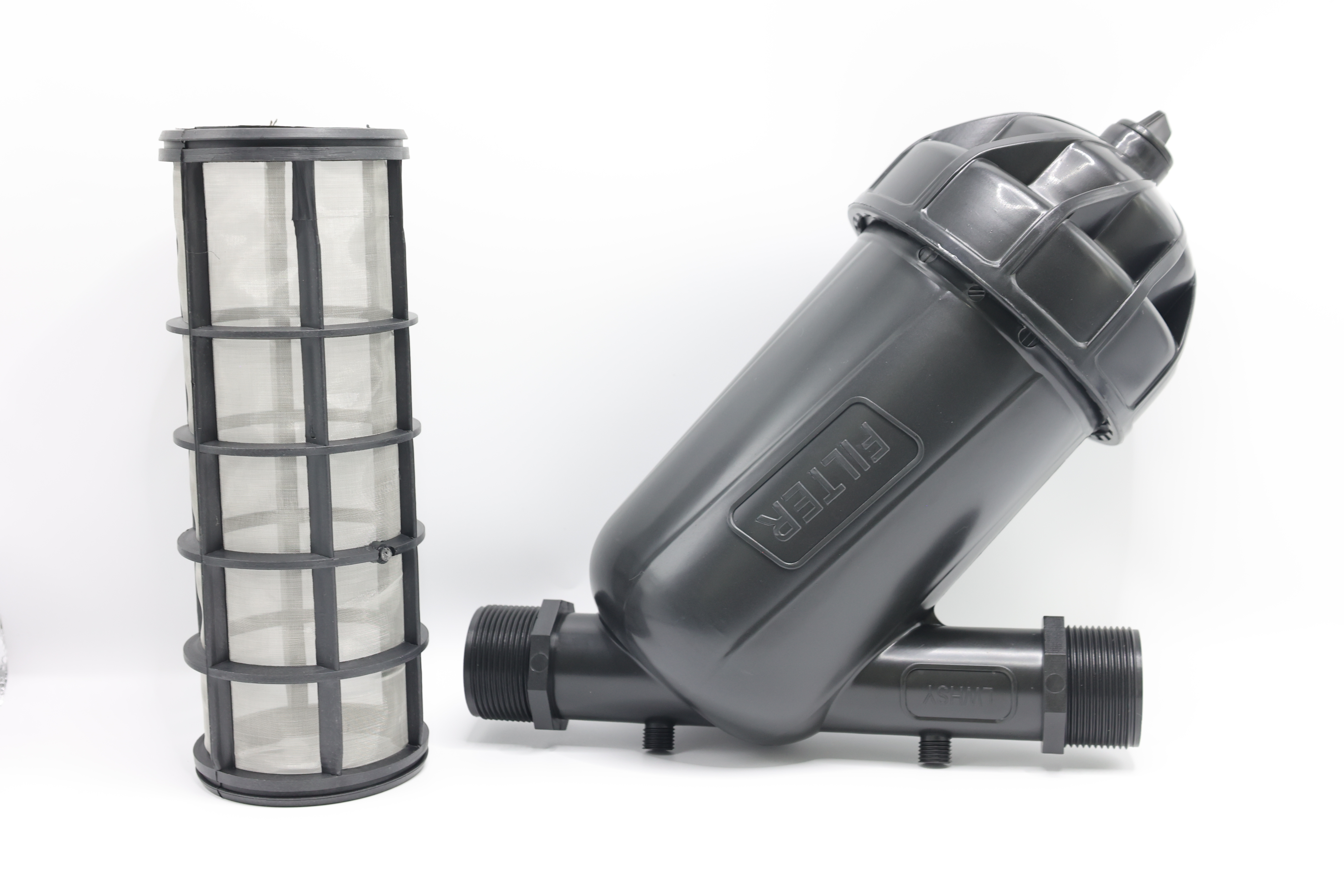
Component costs add up too: nozzles run $0.50–$3.00 each, while pressure regulators and filters add $20–$150 to the total budget.
Key Factors That Affect Pricing
- Material quality: UV-stabilized polymers and corrosion-resistant hardware cost more upfront, but they last 2–3 times longer than standard plastic parts. In the long run, this often saves you more on replacements and downtime.
- Automation features: Basic manual systems are the cheapest, but adding timers, soil sensors, or remote control can add $1,000–$5,000. For larger farms, these features usually pay for themselves in labor savings within a season or two.
- Installation complexity: DIY setup saves 30–50% on labor, but if you’re working with a multi-zone system or tricky terrain, professional installation ($500–$2,000 per zone) is worth it to avoid leaks or uneven coverage later.
- Brand and warranty: Premium brands like Netafim or Rain Bird cost 20–30% more, but they offer 5–10 year warranties and better technical support. For critical operations, this peace of mind is often worth the premium.
How to Choose Reliable Suppliers
When you’re vetting suppliers for ground plug micro spray systems, keep these points in mind:
- Ask about their experience: Look for suppliers who specialize in agricultural irrigation, not just general hardware. They’ll know how to match your system to your soil, crops, and local water conditions.
- Check the parts they carry: Make sure they stock UV-stabilized, clog-resistant components that hold up in your climate. Cheap parts might save you money now, but they’ll cost more in maintenance later.
- Test their support: A good supplier will help you with layout design, installation tips, and replacement parts. If they’re only interested in selling you a box and walking away, move on.
- Get multiple quotes: Compare at least three suppliers to see how pricing, warranty, and delivery times stack up. Don’t just go with the cheapest—look for the best value over the life of the system.
ROI Considerations
Ground plug micro spray systems have higher upfront costs than traditional sprinklers, but they deliver real savings over time:
- 35–45% lower water usage, cutting annual utility bills by $2,500–$3,500 for a 50-acre farm.
- 12–18% higher yields, which can mean $10,000–$15,000 in extra revenue per year for high-value crops.
- 40% fewer nozzle replacements and 60% lower maintenance costs compared to conventional systems.
Most farmers I work with recoup their initial investment within 1.5–2 growing seasons.
Final Tips for Buyers
- Prioritize core components like nozzles and filters—these have the biggest impact on performance and longevity.
- Start with a basic system if you’re on a tight budget; you can always add automation later as your operation grows.
- Work with suppliers who can give you a customized quote based on your farm size, crop type, and local conditions. One-size-fits-all systems rarely perform as well as tailored setups.
By understanding what drives pricing and choosing suppliers who know the business, you can invest in a ground plug micro spray system that works for your farm and your bottom line.