
 EN
EN
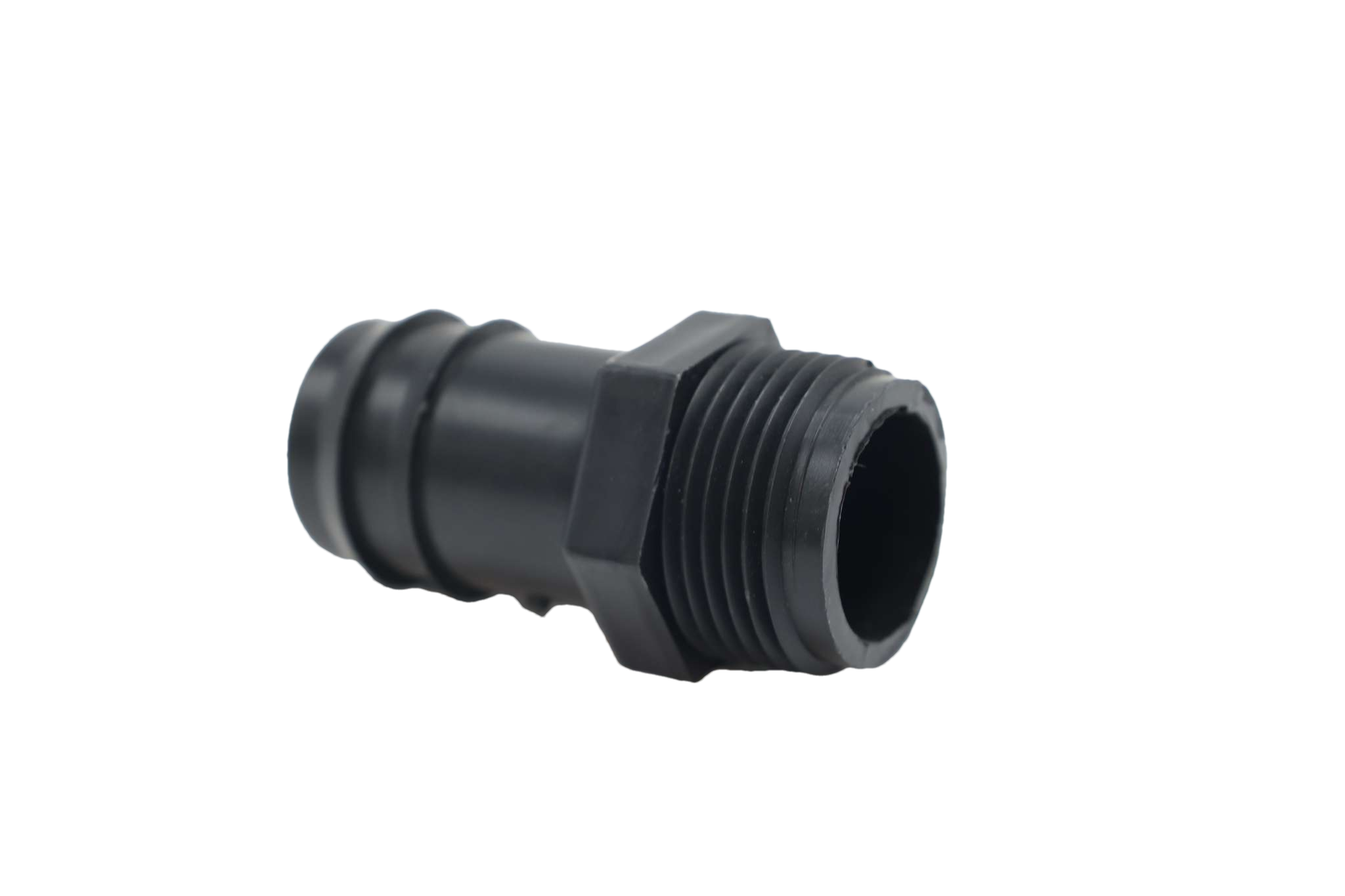
How Direct Insertion Connectors Work in Modern Irrigation Systems
Sealing mechanics: O-ring compression, barbed grip, and radial interference fit
The leak-proof performance of direct insertion connectors comes from three built-in sealing features working together. When inserted, an elastomeric O-ring presses against the pipe wall radially, creating a tight seal right away even when facing pressures above 50 PSI. The second layer involves precision molded barbs that grip the inside of the tubing with angled ridges, holding firm against pull-out forces of around 30 pounds. This is really important for underground installations where shifting soil can cause problems. The third mechanism relies on a controlled radial interference fit. Connectors are made with diameters 0.1 to 0.3 mm bigger than the tube's inner diameter, which creates constant outward pressure. This helps accommodate both thermal expansion and material changes over time.With these three sealing methods combined, the system maintains its integrity despite varying flow rates, sudden pressure spikes, and changing environmental conditions throughout different seasons.
Tool-free installation benefits for labor efficiency and field maintenance
Farm workers love these tool-free connectors because they cut down on labor time and get things fixed faster in the field. Most techs can make secure connections rated for pressure just by pushing them together by hand. We're talking about cutting assembly time roughly in half compared to those old threaded fittings according to Agricultural Engineering International from last year. That kind of speed matters a lot when crops need water during planting season or when equipment breaks down mid-harvest. No more waiting around for repairs to disrupt irrigation schedules. What makes these connectors so good? Well, there's no need for fancy compression tools or solvent welding stations anymore. Seasonal help doesn't require special training either since anyone can install them quickly. Farmers can even move components around in the field without shutting down entire systems. And let's face it, nobody wants to deal with damaged threads from over-tightening like happens so often with traditional fittings. The friction fit works pretty well for multiple uses too, which comes in handy when rotating crops but still keeps the seals intact most of the time.
Key Types of Direct Insertion Fittings for Irrigation Applications
Push-fit connectors for PE and PP drip tubing in low-pressure irrigation
Push-fit connectors make it easy to connect polyethylene and polypropylene drip tubing without needing any tools at all, especially good for those low-pressure systems under 30 psi. These connectors work because they have two main parts working together: first there's the radial compression seal, then the internal barbs that actually bite into the tubing when pushed in place. This creates strong joints right away without having to mess around with clamps, glue, or tightening things down. The special O-ring design is pretty smart too since it adjusts itself as the plastic expands and contracts with temperature changes, so the seal stays tight no matter what. Gardeners and farmers love them for connecting drip emitters to lateral lines in greenhouses and orchards where water conservation matters most. Labor savings are impressive compared to traditional threaded fittings, cutting down on installation time by about 40%. Plus, they fit standard tubing sizes from quarter inch up to half inch, making them versatile whether setting up something new or upgrading old irrigation systems.
Quick-connect fittings with integrated shut-off for zone-controlled irrigation
Quick-connect fittings equipped with automatic shut-off valves make managing different zones much easier in pressurized irrigation systems. These fittings have spring-loaded dual seal mechanisms that cut off water flow on both sides when disconnected, so there's no wasted water during system adjustments. Designed to work at pressures between 15 and 80 psi, operators can switch between areas quickly using just one hand, which is really handy for large-scale operations like commercial gardens and farms. The internal parts are made from stainless steel, so they won't corrode even when exposed to fertilizers or chemigation chemicals. And the housing material has been treated against UV damage, making it last longer when installed outside where it might get direct sunlight. When paired with modern smart controllers, these fittings help manage water usage more accurately. Field tests indicate that such systems can reduce water waste by around 35% in setups with multiple zones. Plus, since they fit with HDPE and PE-X tubing, these fittings work well in all sorts of irrigation arrangements including subsurface drip systems, center pivots, and those long lines running through fields.
Critical Compatibility Factors for Reliable Irrigation Performance
Pipe material matching: HDPE, LDPE, and PE-X tolerance requirements
Getting materials right matters a lot when it comes to preventing leaks over time. The connectors need to match up properly with how much the pipes expand when heated, their wall thickness variations, and how stretchy they are overall. Think HDPE, LDPE, or PE-X pipes. Putting an HDPE fitting on LDPE tubing? That's asking for trouble really. We've seen cases where these mismatched parts start developing little cracks after going through pressure changes repeatedly because they just don't bend the same way. Most top manufacturers recommend keeping things within pretty tight specs too. For PE-X systems specifically, they look for fittings that fit within about +/- 0.15 mm range so those compression seals stay intact even when temperatures and pressures fluctuate. And real world testing backs this up. Systems where everything matches up tend to have around two-thirds fewer leak problems compared to setups where different materials were mixed together.
Pressure and environmental validation: ASTM F1960 compliance for subsurface drip irrigation
Getting reliable subsurface drip irrigation systems takes more than just checking pressure specs. We need to look at how these systems hold up over years of use in different soil conditions too. The ASTM F1960 standard has become pretty much the gold standard in our industry. What does this mean? Well, manufacturers have to put their fittings through 1000 hours of intense pressure tests that basically simulatewhat happens when pipes are underground for ten plus years without any leaks occurring. These certified fittings actually handle pressures way beyond what most systems require, around 25% extra headroom. This helps stop roots from getting into the lines and keeps dirt out of those buried water channels. For parts that sit above ground, special UV protection stops them from becoming brittle under sunlight exposure. And there's specific testing for how well they work when fertilizers or acids are injected into the water stream. Independent tests show that fittings meeting this standard stay fully functional about 94% of the time even after 15 full growing seasons. That kind of longevity means certified products last almost three times longer than regular ones on the market today.
FAQ
What are direct insertion connectors?
Direct insertion connectors are components used in modern irrigation systems that offer leak-proof sealing through multiple mechanisms like O-ring compression, barbed grip, and radial interference fit, ensuring long-term system integrity.
Why are tool-free connectors beneficial?
Tool-free connectors significantly reduce labor time as they require no special tools or training for installation, making them ideal for quick field maintenance and efficient irrigation management.
What types of tubing can push-fit connectors be used with?
Push-fit connectors are compatible with polyethylene (PE) and polypropylene (PP) drip tubing, particularly beneficial for low-pressure systems under 30 psi.
How do quick-connect fittings help in zone-controlled irrigation?
Quick-connect fittings facilitate zone-controlled irrigation by incorporating integrated shut-off valves, allowing easy management of different zones without wasting water during adjustments.
What is the ASTM F1960 standard?
ASTM F1960 is a standard in the irrigation industry requiring fittings to undergo rigorous pressure tests to ensure long-term durability and performance under varied soil conditions and environmental factors.