
 EN
EN
Why a Plastic Mesh Filter Is Essential for Irrigation System Protection
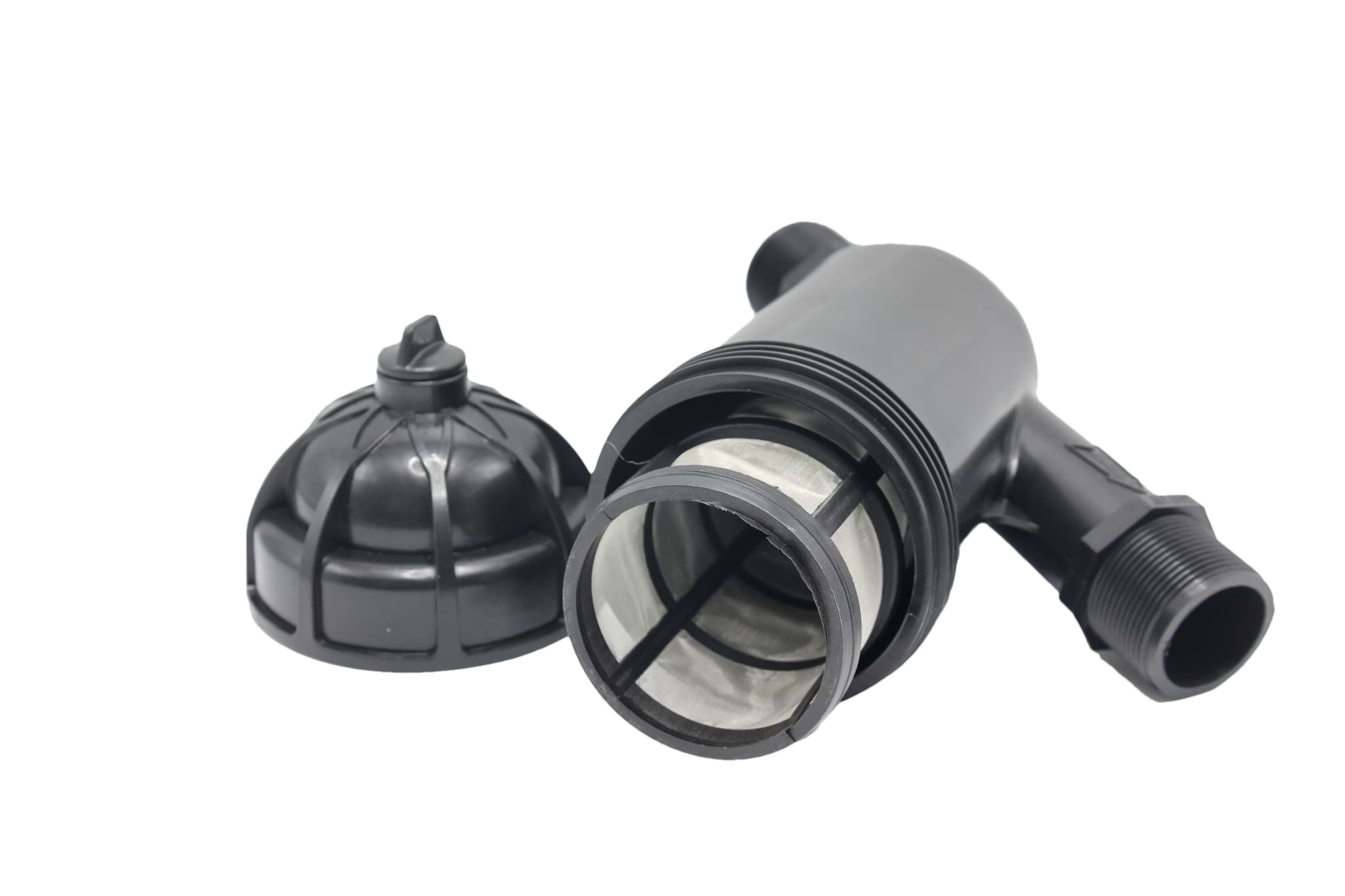
Plastic mesh filters act as the first line of defense when it comes to keeping irrigation systems running smoothly. They stop all sorts of stuff like gritty particles, bits of plant matter, and sediment from getting into those tiny emitters and valves where problems tend to start. When there's no filter protection, even tiny bits about the size of a single strand of hair can build up inside narrow channels over time. These little accumulations create big headaches because they block water flow completely. Farmers know this all too well since blocked emitters are actually the number one reason why drip irrigation systems fail. Drip systems work at pretty low pressure levels usually between 15 and 30 pounds per square inch so they just don't have enough power to push through whatever gets stuck. The result? Uneven watering across fields, stressed crops, and serious financial hits with some farms losing over seven hundred forty thousand dollars each year according to the Irrigation Association report from 2023. And let's not forget what happens to the equipment itself either. Water without proper filtration wears down pumps and valves much faster than normal, cutting their useful life short by anywhere from 40 to 60 percent. Good quality filters catch most of these harmful particles before they ever get close to critical parts of the system. This helps keep everything working efficiently, saves money on repairs around 35% based on field tests, and makes sure plants get the right amount of water throughout growing seasons.
Selecting the Right Plastic Mesh Filter for Your System
Matching Mesh Size and Micron Rating to Crop and Emitter Requirements
Getting the right mesh size and micron rating for filters is essential to keep emitters from getting clogged and protect what's growing in the fields. For drip irrigation systems that have those tiny openings between 0.5 and 1.0 mm, going with fine filters around 200 mesh or 75 microns works best. These help shield delicate plants like berries from getting damaged by sediment buildup. Sprinkler setups generally need something a bit rougher, usually around 80 mesh which corresponds to about 180 microns. If the mesh is too big, all sorts of debris will pass through unchecked. But go too small with the filter and things get messy fast - maintenance needs jump by roughly 30% and pressure can drop over 15 PSI. Farmers should always match their filter specs based on how sensitive their crops are and what the emitters can handle. Those expensive greenhouse operations require much stricter filtration standards compared to regular field crops where dirt tolerance is higher.
Preparing for Installation: Tools, Materials, and Safety Checks
Getting everything ready beforehand makes installing a plastic mesh filter much smoother and safer. First off, collect all the necessary stuff. Need some good quality pipe cutters to trim those tubes just right. Don't forget the deburring tool either it really helps get rid of those annoying sharp edges after cutting. Adjustable wrenches come in handy when tightening connectors, while Teflon tape is essential for creating those watertight seals nobody wants leaks around! And absolutely check out a pressure gauge once everything's installed to make sure everything works properly. As for what goes into the project itself, obviously the main item is the actual filter unit. Then there are those union adapters that need to fit whatever size pipes we're dealing with here. Oh, and stock up on extra O-rings too they tend to wear out over time especially since they'll be exposed to agricultural water constantly.
Before cutting pipes, implement critical safety protocols:
- Verify complete system depressurization by opening downstream valves
- Wear ANSI-approved eye protection against debris and chemical-resistant gloves
- Confirm stable ladder positioning if accessing elevated mainlines
- Keep a first-aid kit accessible near work areas
The 2023 AgSafety Report found that around two thirds of installation injuries happen because workers didn't properly release pressure or got chemicals in their eyes. Getting organized upfront saves money in the long run. Take note: when something small like dirt gets stuck in an emitter, it can cut down on crop production by about 12 percent over just one growing season. Before starting any work, make sure every part matches what the manufacturer says about how much water they handle and what chemicals they can stand up to. This simple step often gets overlooked but makes a real difference in avoiding problems later on.
Installing the Plastic Mesh Filter: A Verified 4-Step Process
Step 1: System Shutdown, Flow Direction Verification, and Orientation Alignment
First things first, turn off the main water line and let the pressure out through those drain valves. Check which way the water flows by looking at the arrows on the filter housing itself. Putting it in backwards will mess up how well it filters stuff out. Now position the filter either upright or sideways depending on what the manufacturer says in their instructions. Getting this wrong means some areas might catch more sediment than others, which isn't good for long term performance. And don't forget to make sure those isolation valves can be reached easily when maintenance time comes around later on.
Step 2: Mounting, Securing, and Integrating with Union Adapters or Hose Kits
Position the plastic mesh filter between two union adapters to enable future cartridge replacement without pipe disassembly. Secure wall-mounted units with corrosion-resistant brackets, allowing 12" clearance for maintenance. For drip hose kits, integrate quick-connect couplers upstream and downstream. Avoid overtightening—finger-tight plus a quarter-turn suffices for most polymer housings.
Step 3: Leak Testing, Pressure Ramp-Up, and Performance Validation
Start opening the main valve slowly, raising the pressure in small steps of about 5 psi each time. Wait around two minutes between each increase until we get close to normal operating pressure which usually ranges somewhere between 20 and 50 psi. Now take a look at all the connections with some paper towels handy. If water starts leaving trails on them, that means those spots need to be sealed again. Once everything seems tight, run water through the whole system for about five minutes straight. While this is happening, keep an eye on the emitters further down the line to make sure they're putting out steady streams. Also check if the filter is doing its job catching debris but still letting enough water pass through without creating blockages.
FAQ
Why is a plastic mesh filter crucial for irrigation systems?
Plastic mesh filters prevent particles from clogging emitters and valves, ensuring consistent water flow and extending the life of irrigation systems.
How do I select the correct mesh size and micron rating?
Match mesh size and micron rating to the sensitivity of your crops and the emitter specifications; greenhouse operations may require stricter filtration.
What tools are required for filter installation?
You'll need pipe cutters, deburring tools, adjustable wrenches, Teflon tape, and a pressure gauge for a smooth installation process.