
 EN
EN
Plastic Mesh Filter Material Science: Why Proper Cleaning Starts with Understanding the Material
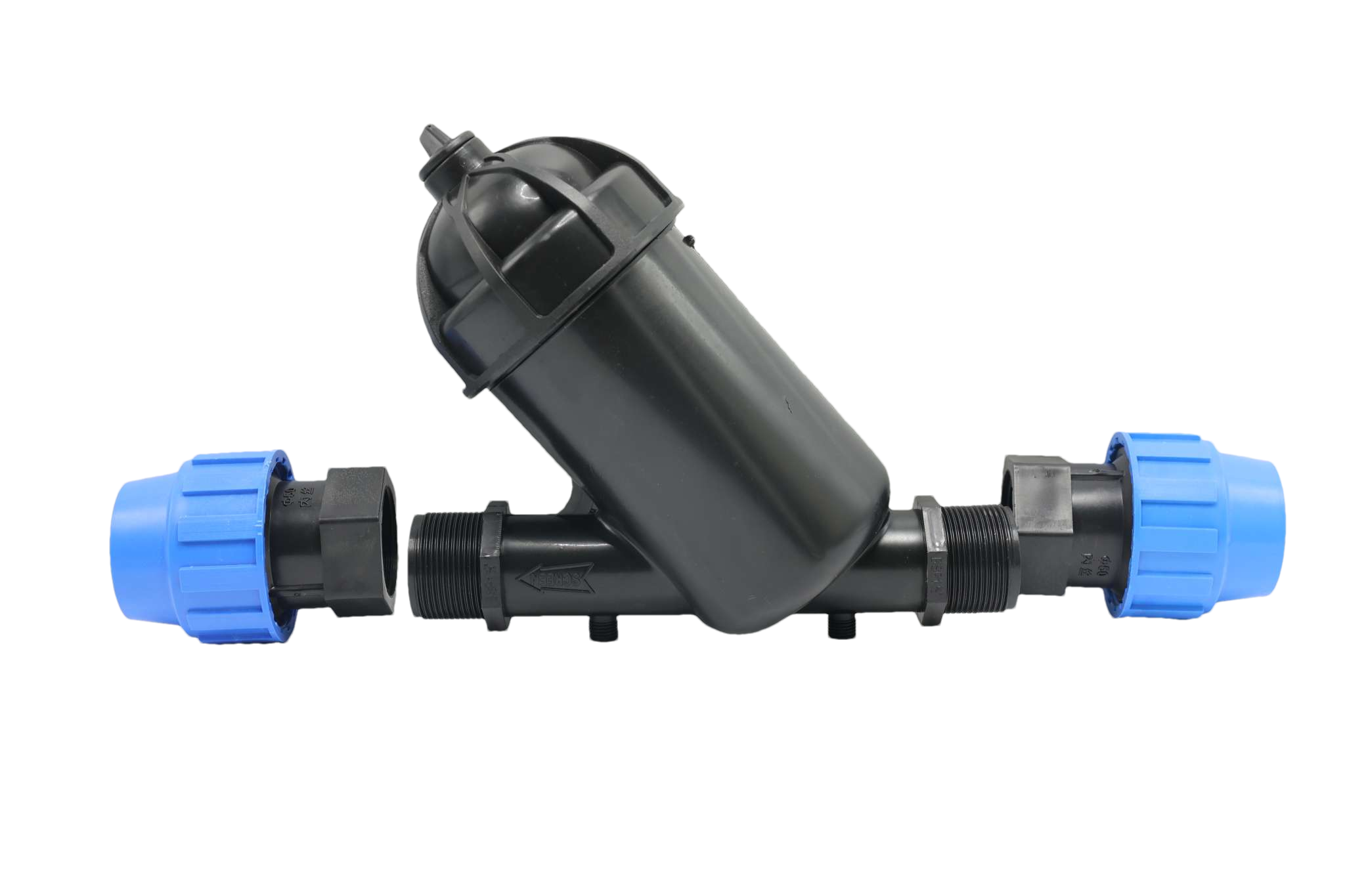
Choosing the right polymer really affects how well filters can be cleaned, which is why most manufacturers stick with polypropylene (PP) and polyethylene (PE) for their mesh filters. Polypropylene handles heat pretty well, standing up to around 100 degrees Celsius before melting down. It also doesn't react much to acids under pH 4 or bases over pH 9. Polyethylene on the other hand takes hits better when dropped or bumped, but starts breaking down once it gets too hot, usually above 80 degrees. Both materials have issues with sunlight though. Leave them out in the sun for too long and they lose strength year after year. Some research papers actually show that tensile strength drops between 15 and 30 percent each year from UV damage alone. That's something engineers need to consider when designing outdoor filtration systems.
Common polymer types (polypropylene, polyethylene) and their thermal, chemical, and UV resistance profiles
Polypropylene holds up pretty well against solvents such as acetone, but polyethylene tends to swell when it meets chlorinated hydrocarbons. When talking about heat resistance, there's a big difference between these materials. Steam cleaning at temperatures over 93 degrees Celsius will warp PE mesh forever, something that doesn't happen to PP even after short exposure to around 110 degrees. Adding UV stabilizers helps slow down degradation from sunlight, though nobody can stop the effects completely. After about 18 months under constant sun exposure, most materials lose roughly 40% of their original elasticity according to recent studies published in Polymer Degradation and Stability back in 2023.
How mechanical abrasion, pH extremes, and solvent exposure cause microcracking, hydrolysis, or embrittlement
When people scrub surfaces with stiff brushes, it actually creates tiny cracks on the surface. These little cracks can turn into bigger problems when there's constant pressure applied over time. Cleaning products that are really alkaline (anything over pH 10) break down those special chemical bonds found in certain plastics, which basically means the material starts falling apart at a molecular level. On the flip side, super acidic solutions (below pH 3) speed up the breakdown process too because hydrogen ions get deep inside the material. Tests show this makes cracks grow about 60% faster during accelerated aging experiments. And don't forget about solvents like toluene either. They eat away at the plasticizers in materials, leaving behind holes and weak spots that just ask for trouble when subjected to normal wear and tear.
Step-by-Step Plastic Mesh Filter Cleaning Protocol for Maximum Lifespan
Pre-cleaning inspection and dry debris removal to prevent mesh distortion
Start by taking a good look at the plastic mesh filter when it's under some decent lighting so any built-up particles or signs of wear can be spotted. For getting rid of dry stuff like dust or sediment, give it a gentle blast with compressed air set below 15 psi or run a soft bristle brush over it. The idea here is to stop those little abrasive bits from getting stuck in there during the actual cleaning process. We've seen time and again how these tiny particles can lead to micro cracks forming in the material, which cuts down on how well the filter works by maybe around 30%. And please don't reach for metal tools since they tend to bend or warp those delicate polymer fibers that make up the mesh structure.
Safe wet cleaning: pH-neutral rinsing, controlled soaking duration, and non-abrasive scrubbing techniques
Soak the filter in warm water around 40 degrees Celsius max with some neutral cleaning solution for up to twenty minutes total. Don't leave it any longer than that as this can cause chemical breakdown issues. When cleaning, move the microfiber cloth upwards rather than going in circles since circular motions actually put stress on those mesh connections and might lead to premature wear over time. If dealing with stubborn biological growths, gradually increase the soaking duration but keep checking how firm the material feels during this process. After cleaning, rinse everything off properly with gentle water pressure below half a bar so we don't damage the tiny holes in the filter structure or let soap residue stick around which could affect future performance.
Air-drying best practices and reassembly guidelines to avoid warping or seal failure
Filters should be placed upright in areas that get little sun and aren't too damp, making sure there's space of about a centimeter between each unit. Avoid placing them near anything that gives off heat since polypropylene starts to bend when temperatures go over 60 degrees Celsius. To check if everything is really dry, try what we call the tissue test. Just press a clean piece of paper towel against the mesh for half a minute. If nothing transfers onto the tissue, then it's good to go. When putting things back together after maintenance, don't overtighten those connections by hand. Stop at around 2.5 Newton meters max. Also take a moment to ensure the gaskets are properly seated before turning the whole system back on. This helps avoid problems with seals failing later on.
Optimizing Plastic Mesh Filter Cleaning Frequency Based on Application and Contaminant Load
Finding the right cleaning schedule depends on looking at two main factors: where the system is used and what kind of dirt gets into it. For industrial setups dealing with gritty stuff like those in powder coating shops, most experts recommend cleaning around every other day to three days maximum. Otherwise, things can get clogged up pretty bad, causing pressure problems that go over 15%. On the flip side, home pond filters usually don't need attention nearly as often when they're just dealing with leaves and algae. Many homeowners find their filters still work fine after four to six weeks without a thorough cleaning. Another thing to keep in mind is how sticky the mess tends to be. Greasy stuff sticks way better than stuff that dissolves in water, so these kinds of contaminants generally need cleaning about 30% more often because they cling onto surfaces much harder.
Implement condition-based monitoring using these methods:
- Differential pressure (ΔP) tracking: Install gauges upstream/downstream; initiate cleaning when ΔP rises 20% above baseline
- Visual inspections: Check monthly for visible particle accumulation or discoloration
- Flow rate analysis: Clean if throughput declines >10% from initial capacity
Research from labs indicates that pushing back on cleaning schedules even by 10% past what's considered ideal can really speed up microcrack development, making components fail around seven months sooner than they should. When dealing with critical operations such as those in chemical plants, it makes sense to install inline particle counters that meet ISO 4406 requirements. These devices help kick off maintenance when needed without waiting for visual signs. Not cleaning enough leads to breakdowns happening way too soon, but going overboard with cleaning actually creates more wear and tear problems down the road. Finding that sweet spot between too little and too much cleaning remains absolutely crucial for equipment longevity.
Chemical Compatibility and What to Avoid When Cleaning a Plastic Mesh Filter
Quick-reference chemical compatibility chart: Acids, alkalis, solvents, and surfactants by polymer type
Polypropylene (PP) and polyethylene (PE) are by far the most common materials used in making plastic mesh filters because they're affordable and can handle chemicals reasonably well. However, these materials react quite differently when exposed to various cleaning solutions. When acids drop below pH 3, they start breaking down PP through a process called hydrolysis. On the other hand, strong bases with pH levels over 10 will gradually wear away PE surfaces via oxidation. Ketone-based solvents like acetone really wreak havoc on PP, causing it to swell up badly, though PE only swells moderately under similar conditions. There's also something important about surfactants worth noting: cationic types tend to plug up those tiny pores in the mesh, whereas anionic surfactants generally work fine as long as temperatures stay under 40 degrees Celsius for PP and around 50 degrees for PE in industrial settings.
The longevity trade-off: Why aggressive cleaners compromise long-term filtration integrity
Strong chemicals such as bleach or vinegar might seem like good options at first glance, but they actually start causing tiny cracks in filter materials that get worse every time they're used. Research from last year in the journal Polymer Degradation and Stability showed something interesting: filters treated with extreme pH levels failed their pressure tests around 73 percent faster compared to ones kept clean with regular detergents. The problem with solvents is they make materials brittle over time by pulling out the plasticizers, which cuts down on impact resistance by nearly half after only ten cleanings. These little fractures not only catch all sorts of dirt and debris but also warp the mesh shape itself, leading to early replacement costs. Using neutral cleansers instead keeps the structure intact and can stretch out the lifespan of industrial filters anywhere between two to three extra years before needing replacement.
FAQ
Why are polypropylene and polyethylene commonly used for mesh filters?
Polypropylene and polyethylene are commonly used for mesh filters due to their cost-effectiveness and chemical resistance. Polypropylene handles heat well and doesn't react significantly to certain acids and bases, while polyethylene offers better impact resistance.
What happens to mesh filters when exposed to UV rays?
Exposure to UV rays can reduce the tensile strength of mesh filters made from polypropylene and polyethylene, with a potential drop of 15-30% annually. Sunlight exposure should be considered when designing outdoor filtration systems.
How do pH extremes affect plastic mesh filters?
Extremely alkaline solutions (pH >10) can break down the chemical bonds in plastics, leading to material degradation. Acidic solutions (pH <3) can accelerate breakdown processes, increasing the rate of crack formation.
Why should aggressive cleaners be avoided for plastic mesh filters?
Aggressive cleaners can cause microcracks and material brittleness, leading to compromised filter integrity and reduced lifespan. Using neutral cleansers extends filter life without causing damage.
Table of Contents
- Plastic Mesh Filter Material Science: Why Proper Cleaning Starts with Understanding the Material
- Step-by-Step Plastic Mesh Filter Cleaning Protocol for Maximum Lifespan
- Optimizing Plastic Mesh Filter Cleaning Frequency Based on Application and Contaminant Load
- Chemical Compatibility and What to Avoid When Cleaning a Plastic Mesh Filter
- FAQ