
 EN
EN
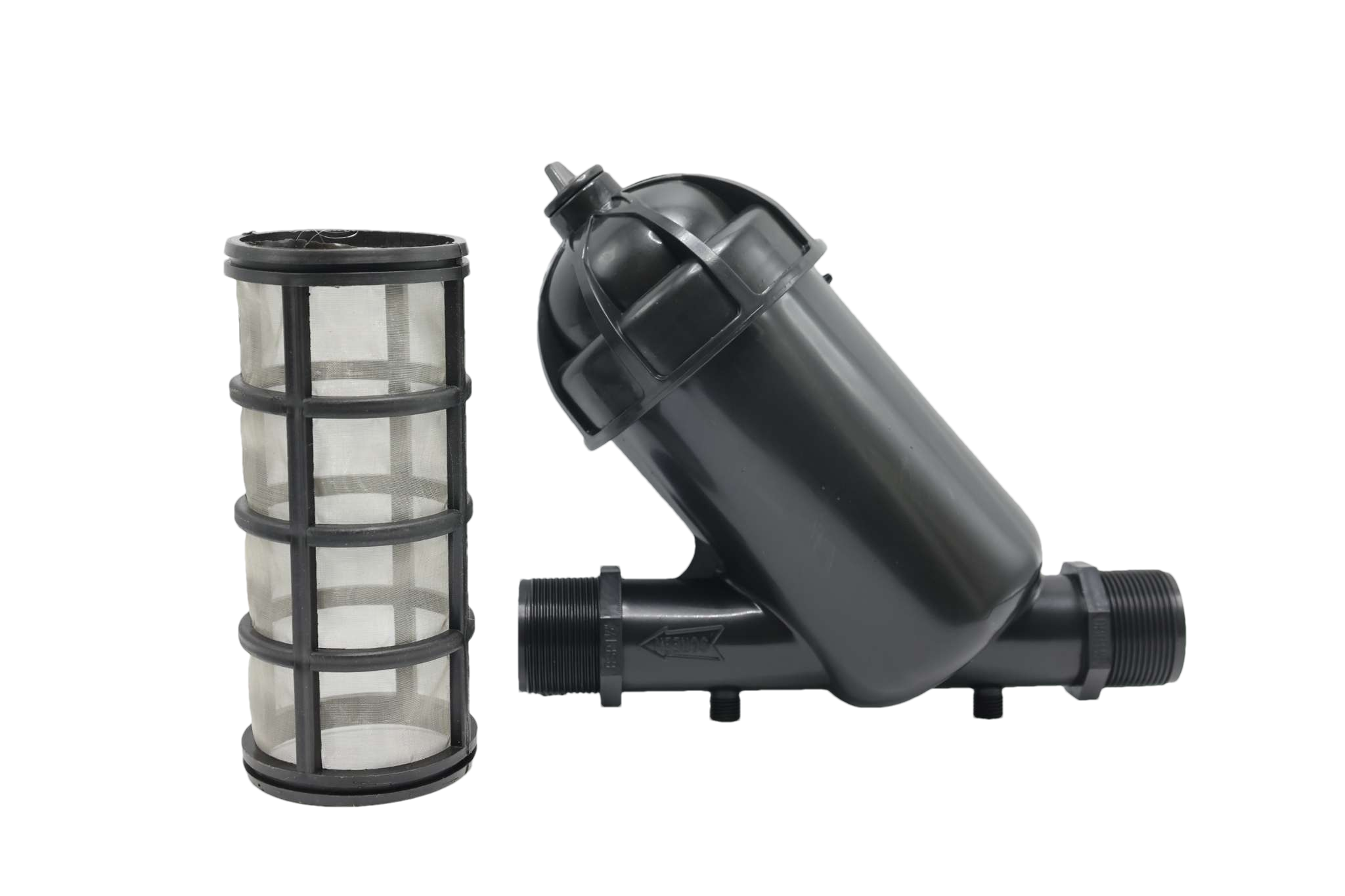
Why Plastic Mesh Filters Are Optimal for Water-Saving Irrigation Systems
Matching filtration precision to low-flow drip and micro-irrigation requirements
Plastic mesh filters work really well for modern irrigation systems because they catch particles down to about 150 microns, which happens to be just right for protecting those delicate emitters found in drip lines and micro sprinklers. Big filters might seem better but actually mess with the water flow. These specially designed filters keep the pressure where it needs to be while stopping sand, algae stuff, and other gunk from getting into the tiny channels of the system. The fact that these filters fit with what low volume irrigation needs means farmers can save around 30% more water than old school flood methods. A group called ICID did some research on this and confirmed the numbers at their website www.icid.org.
Superior particle retention vs. sand media and disc filters—validated by USDA-ARS 2023 field trials
Tests run by the USDA Agricultural Research Service show that plastic mesh filters can catch about 98% of suspended solids at the 50 micron level. That's actually better than sand media filters by around 22%, and beats disc filters by roughly 17% when it comes to resisting clogs. The secret lies in how these filters work their magic. The plastic strands are woven together in a sort of 3D net that grabs particles effectively without letting water find shortcuts through gaps, which happens all too often with traditional sand filters. What does this mean for actual operations? Systems equipped with plastic mesh needed only about half as many backwashing sessions over an 18 month period compared to other filter types. And this matters a lot for irrigation setups powered by solar panels or relying on gravity alone. These systems need to keep running smoothly under constant low pressure conditions, something plastic mesh filters handle much better than conventional options.
Preventing Emitter Clogging to Maximize Irrigation Efficiency
Countering biofilm, chemical precipitates, and suspended solids—the top three clogging causes in water-saving irrigation
Clogged emitters continue to be the biggest problem for inefficient watering in precision irrigation systems. There are basically three main issues that tend to cause problems together: first, biofilms develop as bacteria start growing on surfaces; second, minerals like calcium carbonate build up at the nozzle tips after water evaporates; third, tiny bits of dirt and plant material get through if filters aren't working properly. These biofilms actually make things worse by creating narrower channels for water flow while pulling in more stuff to stick around. The mineral deposits happen because when water dries out, whatever was dissolved in it gets left behind. And poor filtering means sand and other gritty materials find their way right into those delicate emitter parts. Farmers need to address all these problems upfront. Doing so saves money on wasted water and stops small issues from turning into big headaches throughout entire irrigation networks.
Real-world impact: 91% lower emitter failure in ICID 2021 Morocco pilot using 150-micron plastic mesh
Tests in actual farming conditions show that plastic mesh works really well when put through real world stresses. A study lasting seven months was conducted by ICID on farms throughout Morocco where the groundwater contains lots of sediment. Farmers using these 150 micron plastic mesh filters saw their need to replace emitters drop by almost 91 percent compared to what happens without any filtration at all. These meshes caught nearly every particle bigger than 150 microns, stopping harmful stuff from getting in while keeping the water flowing properly even in those low pressure drip irrigation systems. Scientists think the reason for such good results lies in how evenly spaced out the pores are in these filters. Regular disc filters tend to create little escape routes over time, but not so with these mesh options. That means they keep performing reliably no matter how inconsistent the water quality gets.
Enabling Sustainable Irrigation Infrastructure Through Simplicity and Integration
Low-pressure drop design supports solar-powered pumps and gravity-fed water-saving irrigation networks
The plastic mesh filters have these specially designed flow channels that cut down on hydraulic resistance quite a bit actually around 30% less than what we see with traditional media filters. The fact that they create such low pressure drops makes them really good partners for renewable energy setups. They work well with those solar powered pumps and gravity fed systems because these technologies need to operate within pretty tight pressure ranges. For farmers out there dealing with limited water access in remote areas, this means real energy savings without sacrificing steady water flow. Plus, the reduced strain helps prolong how long the pumps last before needing replacement and cuts down on damage to everything connected after the filter as well.
Lifecycle advantage: 42% lower maintenance cost over 5 years despite higher initial investment (FAO 2022)
Plastic mesh filters do cost around 15 to 20 percent more initially compared to sand options, but what they lack in price they make up for in operational savings over time. The Food and Agriculture Organization reported back in 2022 that these filters can actually cut down on maintenance costs by nearly half (about 42%) when looking at a five year period. Why? Well, there are several reasons working together here. First off, they clean themselves automatically so people don't have to flush them manually as often. Second, the materials used resist corrosion even when exposed to harsh chemicals like chlorine or acids during treatment processes. And third, their modular build means farmers can replace just the broken parts rather than tearing everything apart for repairs. These features become especially valuable in places where resources are scarce and technical help isn't readily available. Projects focused on sustainable irrigation benefit greatly from this combination of toughness and ease of use, which helps money invested return faster while keeping systems running smoothly despite challenging conditions.
FAQ Section
What micron size do plastic mesh filters trap?
Plastic mesh filters trap particles down to about 150 microns, which is optimal for modern irrigation systems.
How do plastic mesh filters compare to sand and disc filters?
Plastic mesh filters catch about 98% of suspended solids at 50 microns and outperform sand media and disc filters in terms of clog resistance.
What are the benefits of using plastic mesh filters in irrigation systems?
These filters optimize water flow, prevent emitter clogging, reduce maintenance costs, and support sustainable irrigation infrastructure.